Understanding Headaches in Children: A Common Concern
Prevalence of Headaches in Children and Teens
Headaches are very common among children and adolescents. Approximately 25% of younger children and up to 75% of teenagers experience headaches regularly, with migraines affecting nearly 1 in 6 teens.
General Nature of Pediatric Headaches
Most headaches in children are not serious and usually resolve within a few hours. They often fall into categories such as tension headaches, migraines, or cluster headaches. Symptoms can range from mild discomfort to severe pain accompanied by nausea, light and sound sensitivity, and fatigue.
Impact on Daily Life and Health
Recurrent headaches can disrupt school, behavior, social activities, and mental health. Children may withdraw from play, experience difficulty concentrating, or miss school due to headache episodes. These factors highlight the importance of managing and preventing headaches effectively.
Importance of Recognizing Symptoms
Parents and caregivers should monitor headache patterns and note triggers, duration, and severity. Warning signs warranting prompt medical evaluation include sudden severe headaches, headaches with neurological symptoms like confusion or weakness, persistent vomiting, or headaches waking a child from sleep.
Recognizing the typical nature of headaches and knowing when to seek medical attention ensures children receive the care they need without unnecessary fear or delay.
Common Types and Causes of Headaches in Children
What causes headaches in children?
Headaches in children are very common and usually not a cause for serious concern. They can stem from various sources, including common illnesses like colds or sinus infections, dehydration, emotional stress, and minor head injuries. Triggers such as inadequate sleep, skipping meals, certain foods (like chocolate, caffeine, or additives), and family history also play significant roles. While most headaches are benign, parents should be alert to symptoms such as headaches that wake a child from sleep, sudden severe pain, or changes in behavior, which require prompt medical evaluation.
What are common types of headaches in children?
-
Tension-Type Headaches: The most frequent type, these headaches cause a dull, pressing tightness often described like a band around the head, affecting both sides. They are linked to stress, muscle tension, or emotional factors and usually produce mild to moderate pain without nausea.
-
Migraines: Affecting about 20% of teens, migraines involve throbbing or pulsating pain typically on one side. Symptoms often include nausea, vomiting, and sensitivity to light and sound. Some children may experience visual aura or abdominal pain alongside the headache.
-
Cluster Headaches: Rare in children under 10, these cause severe, sharp pain behind one eye, lasting less than three hours, and may come with tearing or nasal congestion.
-
Secondary Headaches: These arise from other medical conditions such as infections, head trauma, or systemic illnesses. They can be serious and require thorough evaluation when accompanied by symptoms like fever, vomiting, or neurological changes.
Common triggers and family influence
Common headache triggers in children include:
- Emotional stress or anxiety
- Dehydration and skipping meals
- Poor sleep or sleep disorders
- Certain foods and beverages (e.g., caffeine, nitrates, MSG)
Family history is an important factor, especially for migraines, as these often run in families, increasing the likelihood a child may experience similar headaches.
Understanding the types and causes of headaches in children empowers parents and caregivers to recognize symptoms early and seek appropriate care, helping to reduce headache frequency and improve the child’s quality of life.
Recognizing Pediatric Migraines: Symptoms and Management
What are the common symptoms of pediatric migraines?
Migraines in children often involve recurrent headaches that can be throbbing and affect one or both sides of the head. These headaches can last from 30 minutes to several hours or even days. Alongside the headache, children frequently experience nausea, vomiting, dizziness, and heightened sensitivity to light, sound, and sometimes smells. Some children may have visual disturbances such as blurred vision, flashing lights, or blind spots, known as aura, especially in classic migraine forms. Identifying these symptoms early helps guide proper management.
What triggers and worsens pediatric migraines?
Common triggers include stress, lack of sleep, hormonal changes, certain foods (like caffeine, chocolate, and nitrates), dehydration, and changes in weather or routine. Emotional factors like anxiety and family history also play a significant role. Avoiding these triggers can reduce the frequency of migraine episodes. See more about Causes of headaches in children and Common headache triggers.
How do migraines affect daily life and school performance?
Recurrent migraines often interfere with a child’s ability to attend school, participate in activities, and affect behavior and overall mental health. Children might withdraw from play or become fatigued, leading to missed school days and challenges in academic and social settings. For more information, see Impact of migraines on children's daily functioning and Managing headaches in children.
What medications and treatments are used for pediatric migraines?
For acute migraine relief, over-the-counter nonsteroidal anti-inflammatory drugs (NSAIDs) such as ibuprofen are commonly recommended. Adolescents may also receive prescribed medications like triptans (sumatriptan or zolmitriptan nasal spray). Preventive medications, including topiramate or propranolol, may be considered for frequent or severe headaches but require careful supervision due to potential side effects and uncertain superiority over placebo. Detailed guidelines on Pediatric migraine treatment and Pediatric headache treatment guidelines offer more information.
What role do lifestyle management and behavioral therapies play?
Lifestyle strategies are fundamental, including maintaining hydration, regular sleep habits, balanced meals, stress management, and avoiding known triggers. Additionally, behavioral interventions like Cognitive Behavioral Therapy (CBT) have proven effective, particularly when combined with medication, in reducing migraine frequency and impact in children. Regular headache diaries can help identify patterns and guide treatment.
Managing pediatric migraines is best done under the guidance of a healthcare provider to tailor treatment plans safely and effectively. See also Headaches in children – When to call the pediatrician for more guidance.
When to Seek Medical Attention: Critical Warning Signs for Headaches
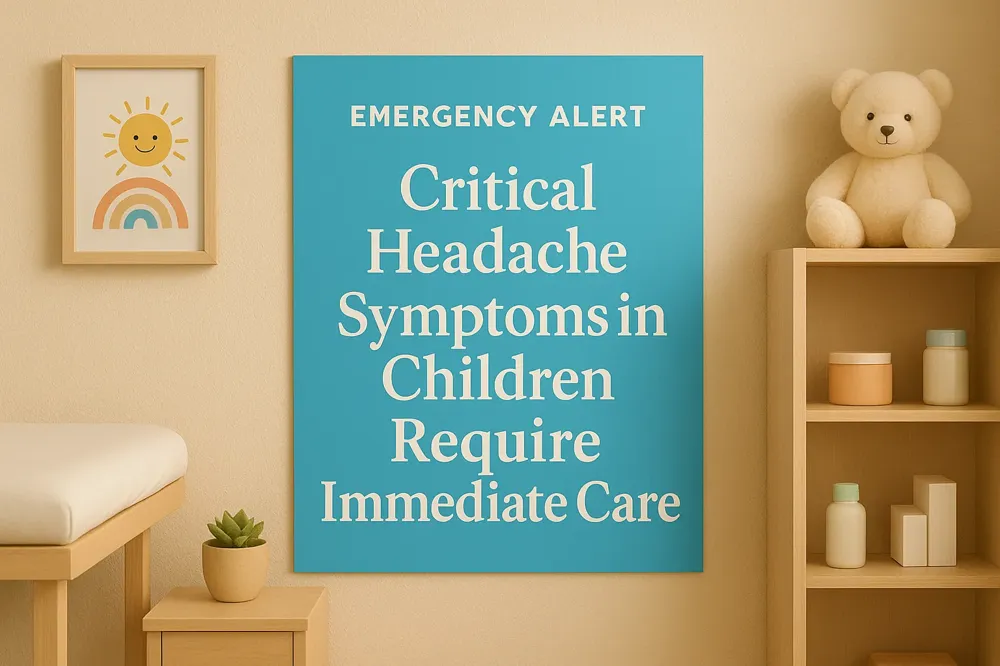
When should parents seek medical attention for a child's headache?
Parents should promptly seek medical care if a child experiences sudden and severe headaches, especially if accompanied by mental status changes, seizures, high fever, stiff neck, or other signs indicating possible meningitis or serious infections. For more details, see When to call the pediatrician.
Severe headaches following a head injury warrant urgent evaluation when symptoms include loss of consciousness, vision or hearing changes, dizziness, or worsening vomiting. These signs may suggest concussion or other critical complications. Learn more about Headaches after head injury.
Recurrent headaches interfering with school, behavior, or daily activities, or those increasing in frequency or intensity, should be evaluated by a pediatrician or specialist. Additional neurological symptoms such as confusion, weakness, or changes in personality also require medical attention. Refer to Managing recurrent headaches.
Headaches that wake a child from sleep or are persistent and worsening, especially when linked with symptoms like excessive thirst, clumsiness, or balance difficulties, demand timely assessment. Early diagnosis and management are key to preventing complications. See Red flags for pediatric headaches.
What are the red flags that indicate a pediatric headache might be serious?
Red flags for serious headache in children include:
- Headaches that awaken the child from sleep or progressively worsen Red flags for pediatric headaches]
- New or worsening neurological signs such as vision changes, confusion, weakness, or loss of consciousness Warning signs for urgent medical care]
- Persistent vomiting and severe headaches after head trauma Headaches after head injury]
- Fever coupled with neck stiffness or signs of infection like irritability or lethargy [Severe headaches in children]
- Headaches triggered by coughing, sneezing, or straining with associated systemic symptoms [Cough headaches and brain health]
These signs may point to dangerous conditions such as brain tumors, bleeding, or meningitis and require immediate medical evaluation. See Emergency care for severe headaches.
Neurological signs to watch for
Changes in vision (double vision, loss of vision), abnormal behavior, drowsiness, seizures, difficulty walking or speaking, and altered consciousness are critical warning signs. More information on Neurological signs in pediatric headaches.
Head trauma warnings
Following any head injury, careful monitoring is essential. Headaches that worsen or are accompanied by neurological symptoms necessitate emergency care. Review Head injury symptoms in children.
Guidance on evaluation
For non-emergency headaches that recur or disrupt daily life, consulting a pediatrician or pediatric neurologist is advisable. They may recommend headache diaries, lifestyle changes, medications, or referral to specialists to manage symptoms effectively. Explore Pediatric headache treatment guidelines and Headache Primary Care Clinical Pathway.
Identifying these critical signs early ensures children receive the medical attention they need and helps distinguish benign headaches from those requiring urgent care. Additional helpful information is available at Headaches in children - Mayo Clinic.
At-Home Care and Preventive Strategies for Childhood Headaches
What is the recommended approach to managing a child's headache at home?
Managing a child's headache at home involves several safe and effective steps. First, parents should encourage the child to rest in a quiet, dark room to reduce sensory stimulation. Hydration is crucial, so offering plenty of fluids can ease headache symptoms.
Over-the-counter pain relievers for children such as acetaminophen (Tylenol) or ibuprofen (Motrin/Advil) can be used for relieving pain. However, it's vital to follow dosing guidelines carefully and avoid medication overuse headaches, which can cause rebound headaches. Parents should consult their pediatrician before starting any medication.
Non-pharmacological methods are highly beneficial. Applying cool compresses or warm baths, practicing relaxation techniques like deep breathing or gentle head and neck massage, and naps in a dark room can help alleviate the headache.
Keeping a headache diary is an important tool. Note the time, duration, symptoms, triggers (such as certain foods, stress, or lack of sleep), and relief measures to help identify patterns and prevent future headaches.
Lifestyle habits matter: encouraging a balanced diet, regular sleep of 10–12 hours, daily physical activity, limiting caffeine and screen time, and managing stress can all reduce headache frequency and severity.
If headaches worsen, occur frequently (more than twice per month), or come with alarming symptoms like vision changes, persistent vomiting, or weakness, parents should seek prompt medical evaluation from a healthcare provider.
Nutritional and Behavioral Factors in Pediatric Headache Management
What deficiencies can cause headaches in kids?
Nutritional deficiencies play an important role in pediatric headaches. Magnesium deficiency is notably linked to migraines in children. Including magnesium-rich foods such as spinach, almonds, and avocados in the diet might help decrease headache frequency. Vitamin D and vitamin B2 (riboflavin) deficiencies are also associated with headaches, and adequate intake through diet and sunlight exposure supports headache prevention. Ensuring children have a balanced diet with vitamins from green vegetables, eggs, and fortified foods is important to reduce migraine risks.
How do hydration and meal patterns influence headaches in children?
Adequate hydration is crucial in preventing headaches, especially in active children or in warm climates. Skipping meals, especially breakfast, can trigger headaches by causing low blood sugar levels. Encouraging regular meal patterns with balanced nutrition helps maintain stable energy levels and reduces the chance of headache episodes. For more details, see Headaches in school-age children.
What is the impact of stress and emotional health on headache occurrence?
Stress and emotional challenges, such as anxiety related to school or social situations, are common triggers of headaches in children. Emotional well-being strongly influences headache frequency and intensity. Children experiencing family changes, pressures, or peer conflicts may develop tension-type headaches or migraines. More information is available at Headaches in children.
What educational and behavioral strategies can help manage pediatric headaches?
Behavioral therapies like Cognitive Behavioral Therapy (CBT) have shown benefit in reducing headache frequency and severity by teaching children coping mechanisms for stress. Parents and caregivers can support children by promoting healthy sleep schedules, limiting screen time, and encouraging regular physical activity. See Headache Primary Care Clinical Pathway for therapeutic approaches.
Why are regular sleep and exercise important?
Sleep deprivation is one of the most common triggers for pediatric headaches. Children typically need 10-12 hours of sleep per night to maintain brain health and reduce headache risk. Regular physical activity also helps reduce stress, improve mood, and promote better sleep, all contributing to fewer headaches. More on this can be found in Headaches in children.
| Factor | Role in Headache Management | Recommendations |
|---|---|---|
| Magnesium and Vitamins | Deficiencies linked to migraines and headache triggers | Encourage intake via diet and supplements under medical advice (Pediatric headache treatment guidelines) |
| Hydration and Meals | Prevent triggers related to dehydration and low glucose | Maintain regular meals and adequate water intake (Headaches in school-age children) |
| Stress and Emotions | Emotional stress can provoke headache episodes | Use stress management strategies and therapy (Headaches in children) |
| Behavioral Therapy | CBT helps reduce headache frequency and improve coping | Implement CBT when indicated (Headache Primary Care Clinical Pathway) |
| Sleep and Exercise | Promotes brain health and reduces triggers | Ensure adequate sleep and regular exercise (Headaches in children) |
Supporting Children Through Headache Management and Medical Care
Understanding and Managing Headaches in Children
Headaches are common in children and teenagers, often caused by migraines, tension headaches, or minor illnesses. Most headaches are not serious and typically improve with rest, hydration, and over-the-counter pain relievers like acetaminophen or ibuprofen. Preventive strategies, including maintaining regular sleep, a balanced diet, hydration, and stress management, can greatly reduce headache frequency and severity.
When to Seek Medical Advice
Parents should consider consulting a pediatrician if headaches occur frequently (more than twice a month), worsen, disrupt daily activities, or are accompanied by symptoms like nausea, vomiting, vision changes, or neurological signs. Tracking headaches in a diary—logging triggers, duration, and relief methods—helps healthcare providers tailor treatment effectively.
Reassurance and Support
It is important to reassure families that most childhood headaches are manageable and rarely indicate serious conditions. Pediatricians play a crucial role in diagnosis, personalized care plans, and guidance for appropriate use of medications, avoiding overuse that can worsen headaches.
Partnering with Healthcare Providers
Engaging with pediatric healthcare providers ensures timely evaluation, monitoring, and access to specialized care when needed. Professional guidance helps optimize coping strategies, prevent complications, and support children's well-being and school performance through effective headache management.