A Proactive Approach to Protecting Your Child's Health
Influenza is a contagious respiratory illness that can be far more dangerous for children than the common cold. Each year, millions of children get sick with seasonal flu, thousands are hospitalized, and tragically, some die. Children under 5 years old—especially those under 2—and children of any age with chronic health conditions (like asthma, diabetes, or neurologic diseases) face the highest risk of developing serious complications, such as pneumonia or worsening of existing medical problems.
A Particularly Severe Season
The 2025-2026 flu season demands extra vigilance from families. This year’s season has been classified as high severity, with doctor visits for flu-like illnesses reaching their highest level in nearly 30 years. During the previous season, at least 288 children died from flu, and most of those victims were not fully vaccinated. Reports indicate that approximately 80% of pediatric flu-related deaths have occurred in unvaccinated or incompletely vaccinated children. These stark figures underscore that the flu is not just a bad cold—it is a serious threat that requires a proactive defense.
Flu Vaccination: The First and Most Effective Line of Defense

What are the best ways to prevent the flu?
The single most effective step is an annual flu vaccine for everyone aged 6 months and older. It significantly reduces the risk of severe illness, hospitalization, and death. Beyond vaccination, practice everyday habits: avoid close contact with sick people, stay home when ill, and cover coughs and sneezes. Wash hands often, avoid touching your face, and improve indoor air quality by opening windows or using air purifiers. Regularly clean frequently touched surfaces, and support overall health through sleep and nutrition.
At what age should children get the flu shot?
All children aged 6 months and older should receive the flu vaccine every year. Children under 5, especially those under 2, and children of any age with chronic health conditions (like asthma or diabetes) are at higher risk for serious complications and are especially important to vaccinate. Kids aged 6 months through 8 years getting vaccinated for the first time may need two doses, given at least four weeks apart.
When is the best time for children to get the flu shot?
The ideal time is by the end of October, as it takes about two weeks for protection to develop. Vaccination as soon as the season's vaccine becomes available ensures children are protected before flu begins circulating in the community. Even after October, getting vaccinated later still offers valuable protection.
| Prevention Action | Who Should Do It | Why It Matters |
|---|---|---|
| Annual flu vaccine | Everyone 6 months and older | Best protection; reduces severe illness, hospitalization, and death |
| Handwashing | All family members | Removes germs and stops spread at home |
| Stay home when sick | Children and adults with symptoms | Prevents spreading flu to others |
| Cover coughs and sneezes | Everyone | Reduces airborne transmission of virus |
| Clean high-touch surfaces | Caregivers | Kills virus on surfaces like doorknobs and toys |
Latest CDC and AAP Recommendations for the 2025–2026 Season

What are the latest CDC and AAP recommendations for the flu vaccine?
The American Academy of Pediatrics (AAP) and the CDC recommend that everyone aged 6 months and older receive an annual influenza vaccine. For the 2025–2026 season, all available vaccines are trivalent, meaning they protect against three influenza viruses: an A(H1N1), an updated A(H3N2), and a B/Victoria lineage virus.
No single vaccine product is preferred over another. The AAP advises that families should not delay vaccination to obtain a specific formulation. Any licensed, age-appropriate vaccine—whether a flu shot or the nasal spray—is effective.
FluMist now approved for home administration (ages 2+)
A major update for the 2025–2026 season is that FluMist (live attenuated influenza vaccine) is now approved for administration at home by a caregiver for eligible children aged 2 years and older. This offers families a convenient, needle-free option.
Egg allergy no longer a barrier
Children with an egg allergy can safely receive any age-appropriate flu vaccine without any special precautions beyond those recommended for all vaccines. This applies to both the shot and the nasal spray.
Vaccines for Children program and insurance coverage
Cost should not be a barrier. Most health insurance plans cover the flu shot as preventive care at no out-of-pocket cost. For uninsured or underinsured children, the CDC’s Vaccines for Children (VFC) Program provides free vaccines to eligible families at participating pediatricians’ offices and health departments.
| Recommendation | Details for the 2025–2026 Season |
|---|---|
| Target population | Everyone 6 months and older |
| Vaccine type | Any licensed, age-appropriate vaccine (no preference) |
| Vaccine composition | Trivalent: updated A(H3N2); A(H1N1) and B unchanged |
| Egg allergy | Not a barrier; no extra precautions needed |
| New administration option | FluMist (nasal spray) approved for caregiver/home use for ages 2+ |
| Cost & access | Covered by most insurance; VFC Program available for eligible children |
Essential Flu Season Toolkit: What Every Family Should Have on Hand
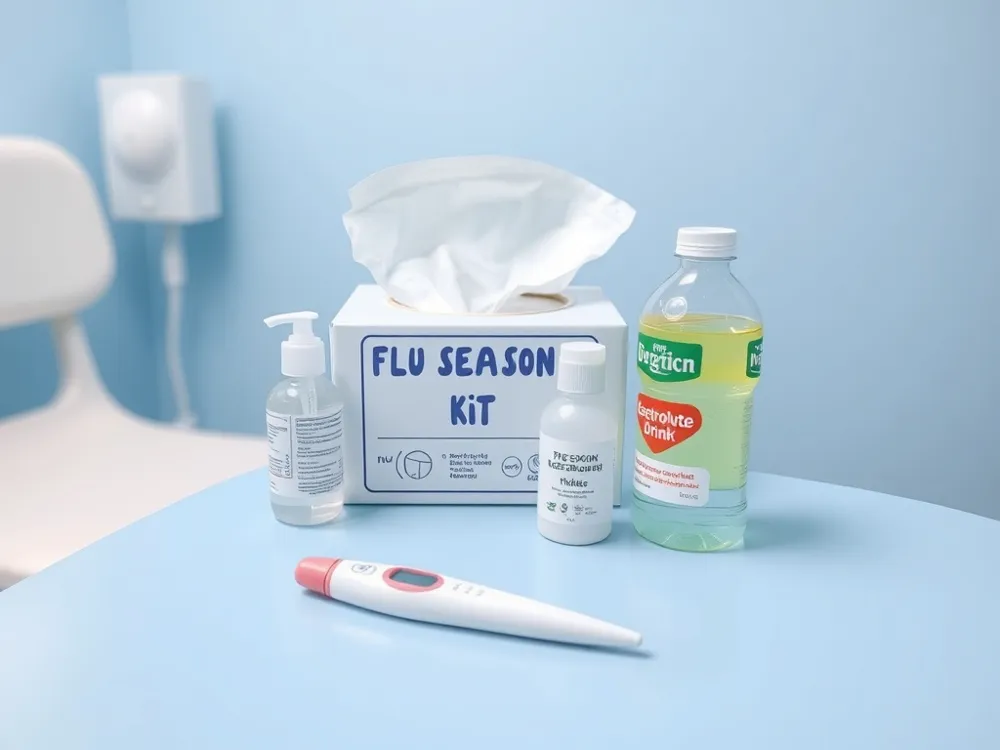
What should I stock up for flu season?
Prepare a flu season kit before illness strikes. Include a digital thermometer to monitor fevers, tissues, hand sanitizer (at least 60% alcohol), and disinfecting wipes for frequent surfaces. Stock electrolyte drinks and clear fluids to prevent dehydration.
Home remedies and OTC medications
For children over 1 year, honey (one teaspoon) can soothe a cough. A cool‑mist humidifier eases stuffy noses, and saline nasal spray helps with congestion. Safe fever reducers include acetaminophen (approved from birth, weight‑based dosing) and ibuprofen (approved after 6 months, weight‑based dosing). Avoid aspirin for children.
When to call the pediatrician
Seek medical help if your child has trouble breathing, a persistent high fever (102°F or higher, or any fever over 105°F), or signs of dehydration (dry mouth, no urine for eight hours). Early antiviral treatment works best within 48 hours of symptoms.
Beyond the Needle: Everyday Habits to Stop the Spread
Can vitamin D help prevent the flu?
While vitamin D supports immune health, it is not a proven standalone shield against influenza. Observational studies link very low levels to more severe illness, but large trials have not consistently shown that supplements prevent the flu. The most reliable defense remains the annual flu vaccine.
The 20-Second Handwashing Rule
Proper handwashing with soap and warm water for at least 20 seconds is a powerful tool. Singing the “Happy Birthday” song twice helps little ones scrub long enough. Do this after coughing, sneezing, using the bathroom, and before eating. Hand sanitizer with at least 60% alcohol is a good backup.
Cough and Sneeze Etiquette
Teach children to cough or sneeze into a tissue and throw it away immediately. If no tissue is handy, they should use the inside of their elbow—not their hands. Wash or sanitize hands right after.
Cleaning High-Touch Surfaces
Flu viruses can survive on hard surfaces for up to 48 hours. Regularly disinfect doorknobs, light switches, phones, tablets, toys, and countertops to reduce household spread.
When to Stay Home
A child with a fever of 100.4°F or higher, vomiting, or diarrhea should stay home. They can return only after being fever-free for at least 24 hours without using fever-reducing medication.
Antiviral Medications: A Treatment Option
For children at high risk—such as those under 5 or with chronic conditions—antiviral drugs like oseltamivir (Tamiflu) can shorten illness and reduce complications. They work best when started within 48 hours of symptoms, so call your pediatrician early. These medications treat the flu but do not replace the annual vaccine.
| Action | Why It Matters | When to Do It |
|---|---|---|
| Handwashing | Kills flu germs before they enter your body | After coughing, public spaces, before eating |
| Covering coughs | Stops virus from traveling through the air | Whenever coughing or sneezing |
| Disinfecting surfaces | Kills virus that can live 48 hours on objects | Daily during flu season |
| Staying home | Prevents infecting classmates and family | Until fever-free for 24 hours without meds |
| Antiviral treatment | Reduces illness length and severe outcomes | Within 48 hours of symptom onset |
A balanced diet with fruits, vegetables, and adequate sleep also supports a strong immune system. For families, a multi-layered approach—vaccination plus these everyday habits—offers the best protection.
Special Considerations: Chronic Conditions and Immune Health
Should someone with an autoimmune condition like Hashimoto's get the flu shot?
Yes. For children and teens with autoimmune conditions like Hashimoto's, the flu shot is recommended and safe. The inactivated vaccine does not contain live virus and will not trigger a flare. A serious flu infection can stress the immune system more than the vaccine. The CDC and AAP advise annual vaccination for all children 6 months and older, including those with chronic conditions. Always consult your pediatrician.
Children with chronic health conditions are at higher risk
Children with asthma, diabetes, heart disease, or neurologic conditions face a greater risk of serious flu complications like pneumonia or worsening of their underlying disease. Annual vaccination reduces flu illnesses, hospitalizations, and deaths in these children.
Pregnant individuals should get vaccinated
Pregnant people can receive the flu shot at any trimester. This protects both mother and baby by passing antibodies to the newborn, offering protection in the first months of life.
Caregivers and household contacts should also be vaccinated
Adults and older siblings living with high-risk children should be vaccinated yearly. This reduces the chance of spreading flu to vulnerable family members, including infants under 6 months who cannot be vaccinated.
Antiviral chemoprophylaxis as a backup
For exposed high-risk children who are unvaccinated or unable to mount a good immune response, antiviral medication (e.g., oseltamivir) may be prescribed to prevent flu. This is not a substitute for vaccination but provides an extra layer of protection. Discuss options with your pediatrician.
Consult your pediatrician for personalized advice
Every child's health history is unique. Your pediatrician can recommend the best vaccine type, timing, and need for preventive antivirals. Open communication ensures your child stays protected throughout flu season.