Making the Right Call for Your Child's Care
When your child is sick or injured, the question of where to go can feel overwhelming. The pediatrician’s office, an urgent care center, and the emergency room (ER) each serve a distinct purpose. Choosing wisely ensures your child receives the right level of care, saves valuable time and money, and minimizes exposure to other illnesses in crowded waiting areas.
Understand the Care Options
Your child’s pediatrician is the best first stop for most non-emergency health issues. Their office knows your child’s medical history, allergies, and immunization record, leading to more precise and personalized care. Many pediatricians offer same-day sick visits, after-hours nurse lines, and telemedicine options. These services can handle many concerns, from fevers to ear infections, without an ER visit.
Urgent care centers fill the gap when the pediatrician’s office is closed, such as evenings or weekends. They are designed for non-life-threatening issues that need prompt attention. However, not all urgent care centers specialize in children. When possible, choose a pediatric urgent care center staffed by doctors and nurses trained to assess and treat children. They use child-sized equipment and understand how illnesses and injuries differ in kids.
The emergency room is reserved for true medical emergencies. ERs are open 24/7 and equipped to handle the most serious injuries and illnesses. They can admit a child to the hospital, perform advanced imaging, and provide life-saving treatments. For life-threatening situations, always call 911 or go to the nearest ER immediately.
When to Choose the Emergency Room
Bring your child to the ER or call 911 for any of the following:
- Breathing difficulties: Struggling for breath, heavy or fast breathing, gasping, or blue lips or face.
- Loss of consciousness: Fainting, unresponsiveness, or acting confused or “out of it.”
- Severe allergic reaction: Difficulty breathing, swelling of the lips or tongue, full-body rash, vomiting, or diarrhea.
- Head injury: Any head trauma with loss of consciousness, repeated vomiting, confusion, or changes in vision or balance.
- Seizures: Especially a first-time seizure or one that lasts longer than a few minutes.
- Dehydration: No urination for 12+ hours, very dry mouth, lethargy, or sunken eyes.
- Fever in newborns: A fever of 100.4°F or higher in a baby under 2–3 months old always requires emergency evaluation.
- Severe injury: Broken bones with visible deformity or an open wound, deep cuts that won’t stop bleeding, or burns covering a large area.
- Swallowed objects: Button batteries or any object causing drooling or trouble breathing.
- Poisoning or overdose: Call Poison Control (800-222-1222) and then go to the ER.
- Mental health crisis: Suicidal thoughts or self-harm risk.
For less urgent but serious symptoms, such as a facial cut in a young child that may need sedation for stitches, a pediatric ER is often the best choice. Pediatric emergency departments have toys, child-life specialists, and staff who are experts in caring for children.
When Urgent Care Is the Right Choice
Urgent care is appropriate for medical issues that need same-day attention but are not life-threatening. Consider urgent care when the pediatrician’s office is closed and your child has:
- Fever and cold symptoms in a child over 2 months old.
- Ear pain, sore throat, or pink eye without severe symptoms.
- Minor injuries such as sprains, strains, or simple fractures without deformity.
- Minor cuts that may need stitches.
- Rashes, insect bites, or minor burns.
- Mild allergic reactions with skin symptoms only (no breathing trouble).
- Vomiting or diarrhea without blood or signs of dehydration.
- Headache or migraine without neurological symptoms.
Before heading to urgent care, call ahead to confirm they have a pediatrician on staff and can perform X-rays or splinting if needed. Some urgent care centers allow online check-in to save a spot.
The Pediatrician: Your Medical Home
The pediatrician’s office remains the best place for routine and same-day care during regular hours. Experts recommend calling your pediatrician first for any non-emergency concern, even if you think you might need urgent care. Your pediatrician can:
- Offer same-day sick visits for common illnesses like colds, flu, ear infections, and strep throat.
- Provide telemedicine appointments for quick assessment and treatment.
- Direct you to the right care setting if they are unavailable.
- Keep a complete medical record, avoiding gaps in care.
Conditions best managed in the pediatrician’s office include:
- Common respiratory illnesses: Colds, croup, flu, bronchiolitis, sinus infections.
- Routine care: Well-child checkups, immunizations, and sports physicals.
- Suspected allergies (runny nose, cough, rash).
- Mild injuries with minor pain.
- Follow-up care after an ER or urgent care visit.
How to Decide Quickly
When your child is sick or injured, ask yourself these three questions:
- Is this life-threatening? If yes, call 911 or go to the ER now.
- Can it wait until the pediatrician’s office opens? If yes, call them first.
- Is it urgent but not dangerous? If yes, and the pediatrician is closed, choose pediatric urgent care.
If you are unsure, call your pediatrician’s after-hours line. Most practices have a doctor on call who can help you decide. Trust your instincts—if something feels seriously wrong, err on the side of caution and go to the ER.
Cost and Efficiency Considerations
Choosing the right care setting also affects your wallet and wait times.
| Care Setting | Typical Cost (Before Insurance) | Typical Wait Time | Best For |
|---|---|---|---|
| Pediatrician’s Office | $100–$200 | Short (often same-day) | Non-urgent illnesses, routine care. |
| Urgent Care | $150–$300 | 30–60 minutes | Minor injuries, after-hours illnesses. |
| Emergency Room | $1,000–$3,000+ | Long (hours, depending on triage) | Life-threatening emergencies, serious injuries. |
Emergency rooms are more expensive and have longer waits for non-critical cases. Using the ER for minor issues also crowds the system, making it harder for truly sick children to get care.
Preparing for the Unexpected
Emergencies are stressful, but you can prepare. Keep a first aid kit at home and in the car. Take a CPR course. During a well-child visit, ask your pediatrician for recommendations on local urgent care centers and pediatric ERs. When you do visit the ER, bring snacks, water, and comfort items like a favorite toy or blanket.
Above all, stay calm. Acknowledge your child’s feelings and explain what is happening in simple terms. Your confidence will help them feel safer, no matter where you end up.
Quick Reference: Where to Go
| Condition or Symptom | Recommended Care Setting |
|---|---|
| Trouble breathing, blue lips, chest pain | Call 911 or go to ER |
| Severe allergic reaction (face/lip swelling, breathing trouble) | Call 911 or go to ER |
| Head injury with loss of consciousness or vomiting | Go to ER |
| Fever over 100.4°F in a baby under 2 months | Go to ER |
| Seizure | Go to ER |
| Broken bone with deformity | Go to ER |
| Poisoning or button battery ingestion | Call Poison Control + go to ER |
| Fever over 100.4°F in child 2+ months, with cold symptoms | Pediatrician or urgent care |
| Ear pain, sore throat, pink eye | Pediatrician or urgent care |
| Sprain, strain, minor cut needing stitches | Pediatrician or urgent care |
| Vomiting/diarrhea without severe dehydration | Pediatrician or urgent care |
| Routine checkup, immunization, sports physical | Pediatrician’s office |
| Mild fever, cough, runny nose (child over 2 months) | Pediatrician’s office or home care |
| Cold symptoms, lingering cough | Pediatrician’s office |
| Follow-up care after ER visit | Pediatrician’s office |
This guide is based on expert advice from pediatric emergency medicine physicians at leading children’s hospitals. Always trust your instincts—if you believe your child needs immediate emergency care, do not hesitate to take them to the nearest ER or call 911.
Key Facts: Pediatric Care Settings in Decatur, GA
- Children's Healthcare of Atlanta provides pediatric urgent care with child-sized equipment and pediatric specialists.
- Pediatrician's office manages routine care, same-day sick visits, and coordinated treatment keeping all records in one place.
- Urgent care costs ($150–$300) are lower than ER costs ($1,000–$3,000+) for non-life-threatening issues.
- Call your pediatrician first for non-life-threatening concerns; they offer after-hours nurse lines and on-call doctors.
- ER is for true emergencies: trouble breathing, seizures, severe injury, or fever in a newborn (100.4°F+).
- Fever alone is rarely dangerous; seek emergency care if accompanied by stiff neck, seizure, or extreme lethargy.
- Pediatricians separate sick and well children in waiting areas to reduce exposure to additional illnesses.
- Kids & Teens Primary Healthcare and Snapfinger Woods Pediatrics offer comprehensive care for children birth through age 21.
- Pediatrician visits ($100–$200) are the most affordable option for routine care and common illnesses.
- Urgent care treats non-life-threatening issues like mild fevers, coughs, sprains, minor cuts, and pink eye.
1. The Pediatrician's Office: Your Medical Home

How can I find a pediatrician or pediatric urgent care near me in Decatur, GA?
Finding the right pediatric care in Decatur, GA, starts with your child's medical home. Local practices like Kids & Teens Primary Healthcare (2785 Lawrenceville Hwy, Suite 207) and Snapfinger Woods Pediatrics (5008 Snapfinger Woods Drive) offer comprehensive primary care for children from birth through age 21. For pediatric urgent care after hours, consider Children's Healthcare of Atlanta's urgent care centers, which are staffed by pediatric specialists with child-sized equipment. Always use your insurance provider's online directory or the hospital system's 'Find a Location' tool, and confirm hours and services by phone before visiting.
Your pediatrician: The first stop for routine and same-day care
The pediatrician's office should be your first stop for routine care—well-child checkups, immunizations, and school/sports physicals—as well as common illnesses like colds, ear infections, sore throats, flu, and mild asthma. Pediatricians know your child's medical history, allergies, and past treatment responses, leading to more precise care and fewer unnecessary medications or tests. Most offices offer same-day sick visits and after-hours nurse lines, making them a convenient and cost-effective option compared to the ER.
Keeping care coordinated and safe
Using the pediatrician first keeps all medical records in one place, avoiding gaps in care and duplicate testing. If a specialist referral is needed, it must come from your primary care provider. Pediatric offices also have infection control measures—like separating sick and well children in waiting areas—reducing your child's exposure to additional illnesses.
What to do when the office is closed
For non-life-threatening concerns that arise after hours, call your pediatrician's office first. Many have a doctor on call 24/7 who can advise you on the best next step, whether that's a video visit, an urgent care visit, or (rarely) a trip to the ER. Conditions like mild fever, cough, rash, minor injuries, and suspected allergies can often be managed by the pediatrician without an ER visit, saving you time, stress, and money.
| Care Setting | Best For | Wait Time | Cost (Approximate) | Pediatric Expertise |
|---|---|---|---|---|
| Pediatrician's Office | Routine care, common illnesses, same-day sick visits | Usually short, with scheduled appointments | $100–$200 (lowest) | Yes — full history and continuity |
| Pediatric Urgent Care | Non-life-threatening issues after hours (minor cuts, sprains, fevers) | Typically 30–60 minutes | $150–$300 | Yes — pediatric-trained staff |
| Emergency Room | Life-threatening emergencies (trouble breathing, severe injury, seizure) | Variable, can be hours | $1,000–$3,000+ (highest) | Yes (pediatric ER preferred) |
| Adult Urgent Care | Minor adult illnesses; limited pediatric expertise | Usually 30–60 minutes | $150–$300 | No — may lack child-specific equipment |
2. Urgent Care vs. Emergency Room: Making the Split-Second Decision
How do I decide whether to take my child to urgent care or the emergency room?
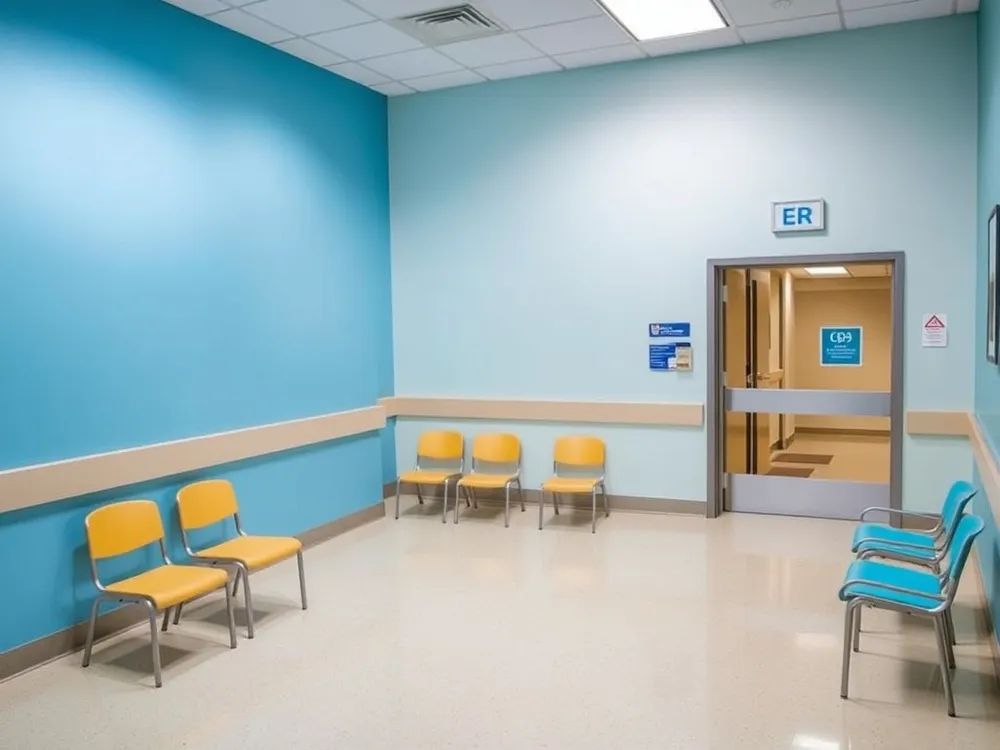
The decision hinges on your child's overall appearance and the severity of their symptoms. If they are alert, playful, and interacting, urgent care is likely suitable for minor issues like colds, rashes, or a mild fever. However, if your child looks very sick, has difficulty breathing, is dehydrated, shows lethargy, or has a change in mental status, head to the emergency room (ER) immediately. For conditions like a rash, focus on how your child is acting rather than the rash itself; if they seem unwell or have trouble breathing, the ER is warranted. Always call an urgent care center ahead to confirm they treat children of your child's age.
When should I take my child to urgent care for a cough or fever?
For a cough, seek urgent care if it persists beyond a few days, is accompanied by difficulty breathing, or interferes with daily activities. For a fever, bring your child to urgent care if they are under 3 months old with any fever (100.4°F or higher), if the fever lasts more than 3 days, or if it rises above 104°F especially when not reduced by fever-reducing medicine. Also seek care if the fever returns after being gone for a couple of days, or if it is accompanied by severe headache, repeated vomiting, stiff neck, rash, or signs of dehydration. Remember, you know your child best; if symptoms worsen or cause significant concern, do not hesitate to seek medical attention.
How do urgent care costs compare to pediatrician visits and emergency room visits?
Cost is a significant factor. Pediatrician visits average $100–$200, urgent care $150–$300, and ER visits $1,000–$3,000 or more. Choosing urgent care for non-emergencies can save families significant money compared to the ER, though a pediatrician visit remains the most affordable option if available. If you are unsure where to go and your child's condition is not life-threatening, call your pediatrician first. They can advise you on the best course of action, potentially saving you time and money.
| Care Setting | Typical Cost Range | Best For | Common Examples |
|---|---|---|---|
| Pediatrician's Office | $100 – $200 | Routine care, common illnesses | Checkups, mild fevers, ear infections, colds |
| Urgent Care | $150 – $300 | Non-life-threatening, after-hours care | Mild fevers, coughs, sprains, minor cuts, pink eye |
| Emergency Room (ER) | $1,000 – $3,000+ | Life-threatening emergencies | Difficulty breathing, seizures, severe allergic reactions, head injuries |
Frequently Asked Questions About Pediatric Care Settings
 This section addresses common questions parents have when deciding the right care setting for their child. From understanding the difference between pediatric critical care and emergency medicine to knowing when a fever requires urgent care, these answers provide quick, reliable guidance.
What is the difference between pediatric critical care and pediatric emergency medicine?
Pediatric emergency medicine (PEM) and pediatric critical care (PCC) both provide care for children in distress, but their roles are distinct. PEM physicians specialize in rapid assessment, stabilization, and treatment of urgent or life-threatening conditions in the emergency room. PCC physicians, on the other hand, provide ongoing, intensive care for critically ill children who have been admitted to the hospital.
When does a fever become an emergency?
A fever itself is rarely dangerous. However, specific thresholds and accompanying symptoms require immediate attention. Infants under 2-3 months with a fever of 100.4°F or higher need an immediate ER visit. An older child with a fever and signs of serious illness, such as a stiff neck, seizure, or extreme lethargy, also requires emergency care.
Should I call the pediatrician before going to urgent care or the ER?
Yes, if the situation is not life-threatening. Many pediatricians offer after-hours nurse lines or on-call doctors who can advise on the best next step. This can save you time, money, and the stress of a long wait. Your pediatrician knows your child's history best.
| Care Setting | Best For | When to Start Here |
|---|---|---|
| Pediatrician's Office | Routine and non-urgent illness, checkups, minor injuries, follow-ups | Your first contact for any non-life-threatening concern |
| Urgent Care | Minor, non-life-threatening issues when pediatrician is unavailable | When your pediatrician is closed and the issue can't wait until morning |
| Emergency Room | True emergencies: trouble breathing, seizures, severe injury, fever in a newborn | Call 911 or go immediately for life-threatening symptoms |
| 24-Hour Nurse Helpline | Guidance when unsure where to go | An excellent starting point if your pediatrician is unavailable and you need immediate advice |
For non-emergencies, the best first step is always your pediatrician.
Trust Your Gut—And Your Pediatrician
When in doubt, use this simple guide. For a life-threatening emergency, call 911 or go to the nearest ER immediately. For non-emergencies during office hours, always call your pediatrician first. Many offer same-day sick visits and can handle concerns over the phone or through video visits, saving you time and stress. For non-life-threatening issues after hours, pediatric urgent care is a practical middle ground—it's faster and far less expensive than an ER visit.
Why Your Pediatrician Matters Most
Your pediatrician knows your child's medical history, allergies, medications, and what is “normal” for them. This expertise allows them to direct you to the safest setting, preventing unnecessary ER trips and ensuring care is coordinated.
Be Prepared
Keep a list of your child's allergies, medications, and past surgeries handy, whether on your phone or for a babysitter. This information is crucial for any medical visit.
Trust Your Instincts
Above all, trust yourself. If something feels seriously wrong, seek emergency care immediately. You are the best advocate for your child. Staying calm and acknowledging their feelings will help them feel safer, no matter where their care takes place.