Why Early Eye Care Matters for Children
Early Eye Exams Are Crucial
Children's vision develops rapidly during the first seven to eight years of life. Early eye exams — recommended as early as six months of age and continuing through school years — help detect vision problems before they impact a child's learning and daily activities.
Vision’s Role in Learning and Growth
Vision supports about 80% of classroom learning, making clear sight vital for success in reading, writing, and sports. Undetected vision issues can cause headaches, difficulty concentrating, and poor academic performance. Prompt eye care helps children avoid developmental delays and boosts confidence.
Common Childhood Vision Problems
Children may face various eye conditions, including:
- Refractive errors: myopia (nearsightedness), hyperopia (farsightedness), and astigmatism causing blurry vision
- Amblyopia (lazy eye): weakened vision in one eye
- Strabismus: misaligned or crossed eyes
- Eye teaming or focusing difficulties
Early detection through comprehensive exams allows for timely treatment with glasses, vision therapy, or other interventions, ensuring healthy visual development and better quality of life for children.
When and How Often Should Children Have Eye Exams?
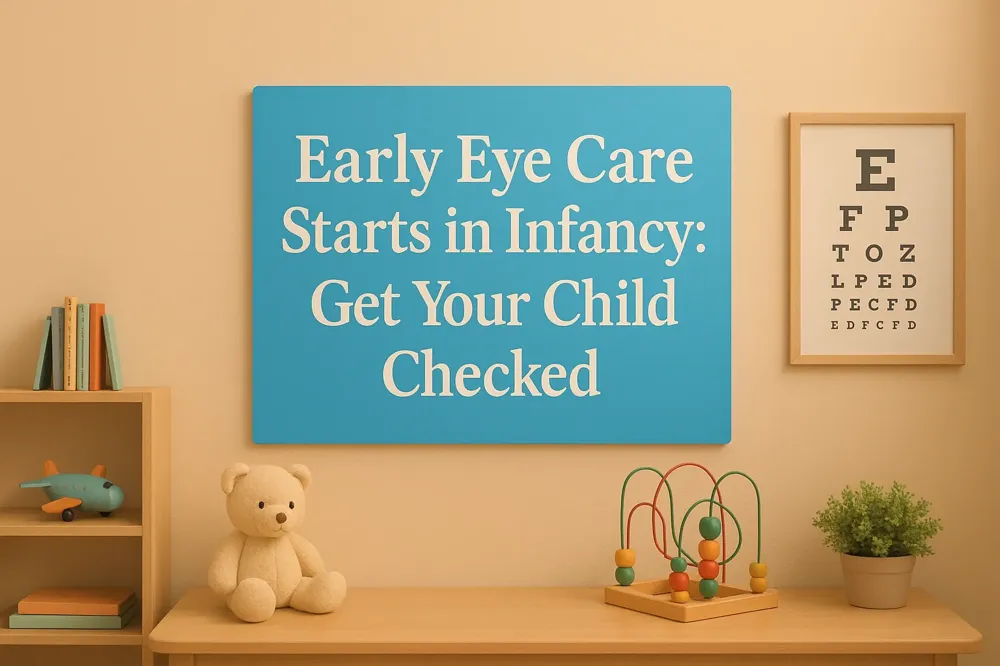
How often should a child get an eye exam?
Children should have their first comprehensive eye exam between 6 and 12 months old. This early evaluation helps establish a baseline for healthy eye development (Eye Exam for Premature Babies, Newborn Vision Capabilities).
Recommended schedule for eye exams in children
Following the initial exam, children typically need follow-ups at ages 3 and again before starting school, around 5 to 6 years old. These visits are crucial to detect issues such as amblyopia (lazy eye) or strabismus (crossed eyes) (Signs a child may need glasses, Pediatric Eye Exam Schedule).
After school starts, children aged 6 to 18 generally require eye exams every two years if no vision problems are present. However, if a child experiences warning signs like squinting, head tilting, eye misalignment, or frequent eye rubbing, or if there is a family history of eye disease, more frequent visits to an eye care professional are important (Signs your child may need glasses, Signs your child needs glasses).
Vision screenings vs comprehensive eye exams
Vision screenings—often done by pediatricians or schools—serve as preliminary checks. They can highlight a need for further evaluation but are not a substitute for comprehensive eye exams. Comprehensive exams provide a thorough assessment of vision, eye alignment, focusing ability, and overall ocular health (Vision screening and eye exams for kids, Vision screenings in young children).
Importance of regular monitoring for children with glasses
Children already prescribed glasses should have yearly comprehensive eye exams. Regular monitoring ensures prescriptions remain current and that any changes in vision or eye health can be addressed promptly. This ongoing care supports clear vision, comfort, and academic success (Annual eye check-ups for children, Regular eye exams for children with glasses).
Early and routine eye care helps detect problems before they negatively affect learning or development, emphasizing the value of timely eye exams throughout childhood (Vision problems affecting academic performance, Importance of early eye exams.
Identifying Signs Your Child Might Need Glasses
What are signs that a child might need glasses?
Children may not always realize they have vision problems, so parents should watch for key symptoms. Common signs include squinting frequently, tilting or turning the head to see better, and covering one eye. If your child often sits very close to screens or the TV, rubs their eyes a lot, complains of headaches or eye pain, or has trouble focusing on school tasks, these behaviors may signal vision issues. For more details, see Signs your child may need glasses.
How can vision problems affect daily life and learning?
Poor vision can cause difficulty concentrating in class, reading challenges, and awkwardness or clumsiness during play or sports. Kids with undetected vision problems might also experience eye strain, light sensitivity, or fatigue, impacting both academic performance and everyday activities. These struggles can sometimes be mistaken for behavioral problems. Learn more about Vision problems affecting academic performance and Vision problems affecting learning.
Why are comprehensive eye exams important after screenings?
If a child fails a vision screening or shows any of the warning signs, a thorough eye exam with a pediatric eye care professional is crucial. Such exams assess visual acuity, eye alignment, focusing ability, and overall eye health. Annual eye exams are recommended for kids who wear glasses to track changes and maintain proper vision and eye development. For guidance on this, visit Comprehensive eye exams for children and Annual eye check-ups for children.
By staying attentive to these signs and seeking early professional evaluation, parents can ensure their child's vision supports learning, confidence, and healthy growth.
Understanding Common and Serious Vision Problems in Childhood
What is the most common vision problem in children?
The most common vision problem in children is refractive error, with myopia in children (nearsightedness) being the most prevalent. Myopia makes it difficult for children to see distant objects clearly and has been increasing in frequency. Other refractive errors such as hyperopia in children (farsightedness) and astigmatism also affect many children. These conditions can interfere with learning and daily activities if left uncorrected.
Alongside refractive errors, amblyopia overview (lazy eye) and strabismus in children (crossed eyes) are common, particularly in younger children. Amblyopia occurs when one eye is weaker, impairing vision development, while strabismus involves eye misalignment. Early detection through comprehensive eye exams for children is critical to prevent lasting vision loss.
What rare or genetic eye conditions can affect children?
Several rare or genetic eye disorders can impact children’s vision. Childhood cataracts cause clouding of the eye’s lens, requiring prompt treatment to avoid significant vision impairment. Similarly, congenital glaucoma — characterized by increased pressure inside the eye — can lead to blindness without proper management.
Premature infants may suffer from retinopathy of prematurity, a condition that can cause retinal detachment. Inherited retinal disorders like retinitis pigmentosa cause progressive vision loss over time. Other rare conditions include retinoblastoma (a retinal tumor), coloboma, microphthalmia, optic nerve hypoplasia, and pediatric ptosis. Each varies in severity but can significantly affect eye health, often needing specialized interventions.
What neurological disorders can cause vision problems in children?
Neurological factors may also impair vision. Cortical or cerebral visual impairment (CVI) results from brain-related causes such as perinatal hypoxia/ischemia or developmental brain abnormalities (like lissencephaly, polymicrogyria, and porencephaly). CVI affects how the brain processes visual information, leading to lifelong challenges despite healthy eyes.
Impact of untreated vision problems on development and learning
Undetected and untreated vision issues can adversely affect a child’s academic performance and behavior, and social development. Since vision accounts for 80% of learning, clear eyesight is essential for reading, writing, and coordination. Problems like blurred vision, eye strain, or poor depth perception may lead to headaches, frustration, and difficulty concentrating.
Regular comprehensive eye exams for children from infancy through school age enable early diagnosis and treatment with glasses, therapy, or medical management. Timely care supports normal visual development and helps children reach their full academic and personal potential.
Pediatric Vision Screening Guidelines and the Role of Eye Exams
What pediatric vision screening guidelines are recommended for children?
Pediatric vision screenings start early, with initial assessments beginning around 1 month during routine well-child visits to track key developmental milestones. For infants up to 12 months, eye health is monitored through observation and specialized exams, especially when risk factors such as prematurity or family history of eye diseases are present.
Between the ages of 3 and 5, children should undergo vision screenings that may involve optotype-based charts (where children identify letters or symbols) or instrument-based methods like photoscreeners. These screenings focus on detecting common childhood issues such as amblyopia (lazy eye) and refractive errors including nearsightedness and farsightedness.
Screening continues for school-aged kids (ages 6 to 17) at regular intervals, often around 8, 10, 12, and 15 years old, to identify uncorrected refractive errors that might affect learning and development.
How do vision screenings differ from comprehensive eye exams?
Vision screenings are preliminary checks typically performed by pediatricians or school health professionals. They help flag potential concerns but do not provide a full diagnosis. Comprehensive eye exams for children, performed by pediatric ophthalmologists or optometrists with specialized training, involve detailed testing including visual acuity, eye alignment, depth perception, and a thorough evaluation of eye health.
High-risk children—those with systemic illnesses, developmental disorders, or detected abnormalities during screenings—should receive comprehensive exams. These thorough assessments ensure early detection and management of vision problems, essential for supporting a child's academic and social success.
What screening schedules are recommended for different childhood ages?
- Newborn to 12 months: Routine eye assessments focusing on structural and functional development.
- Ages 3 to 5: Formal vision screenings using charts or instrument-based methods.
- School age (6 to 17 years): Periodic screenings, usually every 2-3 years, adjusted based on risk factors.
Children with identified risk factors or symptoms should be referred for comprehensive eye exams regardless of age.
Why is specialized pediatric eye care important for high-risk children?
Certain children—such as those born prematurely, with family history of eye diseases, or chronic health conditions like diabetes—face higher risks for vision problems. Specialized pediatric eye care ensures these children receive tailored evaluations that consider their unique needs. Early detection through expert care can prevent long-term vision impairment and promote healthier visual development, which is vital for their educational and personal growth.
Proactive Measures and When to Seek Urgent Eye Care for Children
When should a parent be concerned about their child's eyes and seek prompt medical care?
Parents should be vigilant for sudden vision changes, eye injuries, or symptoms such as intense pain, redness, swelling, or discharge from the eye. Urgent medical attention is necessary if a child sustains trauma, chemical exposure, or foreign object injury to the eye. Signs of infection like persistent tearing or discharge, especially if accompanied by swelling or discomfort, also warrant immediate evaluation. Prompt care is crucial to diagnose and treat problems early, preventing lasting damage or complications. For more detailed signs and recommendations, see Child eye problems to never ignore.
How can parents monitor and improve their child's eyesight?
Regular eye exams starting from age 3 help monitor visual health and catch problems early. Careful observation for signs like squinting, frequent eye rubbing, head tilting, or difficulty concentrating on visual tasks is important. Parents can encourage healthy habits such as limiting recreational screen time and practicing the 20-20-20 rule (every 20 minutes, look at something 20 feet away for 20 seconds) to reduce eye strain.
Promoting outdoor play supports healthy eye development and may help slow the progression of nearsightedness. A nutritious diet rich in vitamins A, C, and E, omega-3 fatty acids, and zinc also supports eye health. Protective eyewear is essential during sports to avoid injuries, and guidance on proper contact lens hygiene is vital to prevent infections. Knowing the family history of eye conditions and staying alert to changes in vision helps ensure early intervention when needed. For comprehensive guidance, refer to Pediatric Eye Care Service and How to know if your child needs glasses.
Encouraging healthy eye habits and nutrition
- Limit recreational screen time and encourage breaks
- Promote outdoor activities to support eye growth
- Provide balanced diet rich in eye-friendly nutrients
- Use protective sports goggles to prevent injuries
Importance of protecting eyes during sports and from screen time
Children engaged in sports should always wear the proper protective eyewear to avoid injuries. Excessive screen use can cause eye strain and contribute to myopia progression, so parental monitoring and encouraging breaks are vital. Learn more about Preventing eye strain with glasses and monitoring eye health and effects of screen time on children's vision.
Ensuring Healthy Vision for Your Child’s Future
Early Detection Matters
Children’s vision develops rapidly in the first years of life, making early eye exams crucial. Routine screenings should occur by 6 months, 3 to 5 years, and before school entry.
Watch for Warning Signs
Squinting, frequent eye rubbing, headaches, tilting the head, and sitting too close to screens can indicate vision problems. Don’t wait for children to complain—these signs are important clues.
Importance of Ongoing Care
Annual comprehensive eye exams ensure changes in vision are caught early to prevent learning or developmental challenges.
Parental Role
Parents should prioritize these exams and follow-ups, encouraging consistent use of glasses or therapies prescribed. Supporting eye health now sets the stage for your child’s confidence and success tomorrow.