Understanding Concussions in Children and Teens
What Is a Concussion?
A concussion is a type of mild traumatic brain injury caused by a bump, blow, or jolt to the head or body. This sudden impact causes the brain to move quickly inside the skull, disrupting normal brain function temporarily. Notably, children and teens can have a concussion without losing consciousness.
What Causes Concussions?
Concussions often result from falls, sports injuries, car or bicycle accidents, or physical fights. Contact sports such as football, hockey, and soccer are common causes among young athletes, but everyday activities like riding a bike or playground falls can also lead to concussions.
Why Are Children’s Brains More Vulnerable?
Children’s brains are still developing, making them more susceptible to injury from impacts. Their nervous and musculoskeletal systems are also less mature, which can influence both the effects of a concussion and the time needed to heal.
The Importance of Early Recognition and Treatment
Recognizing concussion symptoms early—such as headache, dizziness, confusion, or mood changes—is critical. Prompt medical attention helps ensure proper care and rest, which are essential for recovery. Early treatment also helps prevent complications like prolonged symptoms or additional injury. Children should rest from both physical and mental activities, with a gradual return to school and sports guided by healthcare professionals to support full healing.
Identifying the Signs and Symptoms of Concussion in Children and Teens
What are common signs and symptoms of a concussion in children?
Children with concussions often show headaches and nausea in concussion, dizziness, nausea, and issues with vision or sensitivity to light and noise. They may also face irritability, trouble concentrating, memory problems, sleep disturbances, and fatigue. Importantly, most children do not lose consciousness during a concussion—this happens in only about 10% of cases. Watching for symptoms like a worsening headache, repeated vomiting, confusion, or difficulty waking in the days following an injury is critical. Immediate removal from activity and seeking medical evaluation for concussion is essential for proper care.
What are the signs of a concussion in toddlers and young children?
Toddlers and young children often express Concussion symptoms in infants and toddlers. Signs include excessive crying, irritability, vomiting, trouble walking or balance problems, and loss of interest in usual play. They may refuse to eat or show changes in feeding, along with sleep difficulties. Since symptoms might not surface right away, close observation for several hours or days is important. Serious signs such as repeated vomiting, seizures, or unresponsiveness require urgent Emergency care for concussion.
What are the signs of a concussion in teenagers?
Teenagers with concussions often experience Concussion symptoms in teens, balance issues, and visual changes like blurry or double vision. Additional symptoms include sensitivity to light/noise, fatigue, difficulty concentrating, memory problems, mood shifts, irritability, and altered sleep patterns. Teen concussions also frequently occur without loss of consciousness. Severe symptoms demanding urgent medical attention include seizures, worsening headaches, unequal pupil size, slurred speech, and unusual behavior.
Understanding physical, cognitive, emotional, and sleep-related symptoms
Concussions affect children’s physical health (headache, dizziness, vision changes), thinking ability (memory loss, slowed processing), emotions (irritability or sadness), and sleep quality (trouble sleeping, sleeping too much or too little). These varied symptoms highlight the need for Pediatric Concussion Care.
Why monitoring for delayed symptom onset is important
Symptoms may not appear immediately but can develop hours to days after the injury. This delay makes ongoing observation critical to catch worsening or new symptoms early, ensuring timely medical intervention. Delayed concussion symptoms awareness helps prevent complications.
Recognizing emergency warning signs
Watch for dangerous signs such as seizures, repeated vomiting, loss of consciousness, inability to wake, unequal pupils, worsening confusion, severe headache, slurred speech, or abnormal behavior. These require immediate Emergency care for brain injury to prevent serious complications.
Monitoring concussion symptoms carefully and seeking medical evaluation for concussion are vital steps in protecting the wellbeing of children and teens after head injuries. Early rest and guided recovery help ensure the best outcomes for young patients.
Recognizing When to Seek Medical Help and Immediate Emergency Care
How can I tell if my child has a concussion and when should I seek medical help?
If you suspect your child has a Signs of concussion in children, watch closely for symptoms like persistent headache, dizziness, nausea, confusion, vomiting, sensitivity to light or noise, sleep disturbances, and changes in behavior. Notably, many children with a concussion never lose consciousness, so symptom monitoring is vital.
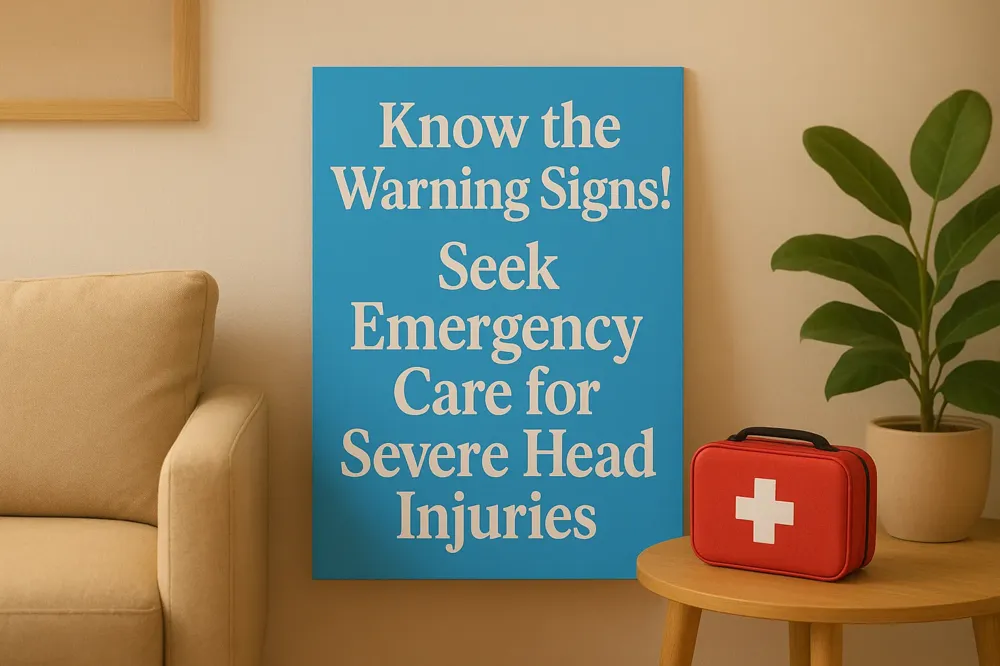
Remove your child from any physical activities immediately to avoid further injury. Seek prompt Seeking medical evaluation for concussion if severe or troubling signs appear, such as repeated vomiting, difficulty waking, seizures, weakness or numbness, worsening headache, or loss of consciousness.
What should I do if I suspect my child or teen has a concussion?
At the first sign of a possible Concussions in children and teens, keep your child calm and ensure they rest both physically and mentally. Avoid screen use and demanding tasks during the initial 24 to 48 hours. Use ice packs on the head if there is swelling, and closely monitor your child for at least 4 to 8 hours after the injury for any worsening or new symptoms.
Emergency warning signs requiring immediate care include severe headache, repeated vomiting, seizure activity, difficulty waking or staying awake, weakness in limbs, and unusual behavior. If any of these occur, call emergency services immediately. See more on kid's concussion emergency care.
Importance of early assessment and continuous monitoring
Early medical assessment helps confirm the diagnosis and rule out more serious brain injuries. Healthcare professionals can guide you on appropriate rest, school accommodations, and a gradual return to normal activities. Continuous observation over the days following the injury ensures that complications are caught early and that the child recovers safely. For detailed clinical guidelines, refer to the CDC Pediatric mTBI Guideline.
| Step | Action Required | Reason |
|---|---|---|
| Suspected concussion | Remove from activity immediately | Prevent risk of worsening injury |
| Early symptom observation | Monitor for 4-8 hours post-injury | Detect delayed or worsening symptoms |
| Presence of emergency signs | Seek immediate emergency care | Prevent life-threatening complications |
| Medical evaluation | Consult healthcare professional | Confirm diagnosis and plan recovery |
| Follow-up and rest management | Follow medical advice on rest and activity | Support proper brain healing and recovery |
Diagnosis and Clinical Guidelines for Pediatric Concussion Management
How is concussion diagnosed in children?
Diagnosing concussion in children relies mainly on a careful clinical assessment following a head injury. Physicians gather detailed symptom histories from the child and caregivers, noting signs such as headaches, dizziness, nausea, memory difficulties, behavioral changes, and emotional shifts. Since children may not lose consciousness during a concussion, these symptoms play a vital role in recognition. For more detail, see Concussion symptoms in children.
Healthcare providers use age-appropriate, validated symptom checklists and standardized tools tailored to pediatric needs. Neurological exams—evaluating cognitive function, balance, coordination, and eye movements—are essential. Tests like visio-vestibular assessments and gait evaluations help determine brain function status. Refer to the CDC Pediatric mTBI Guideline for clinical guidance.
Routine imaging studies such as CT scans or MRIs are generally not used unless serious concerns arise, such as severe headache, worsening neurological signs, seizures, or suspected structural injury. Imaging primarily rules out bleeding or fractures rather than diagnosing concussion itself. Learn more at Concussions in Kids and Teens.
What are pediatric guidelines for managing head injuries and concussions?
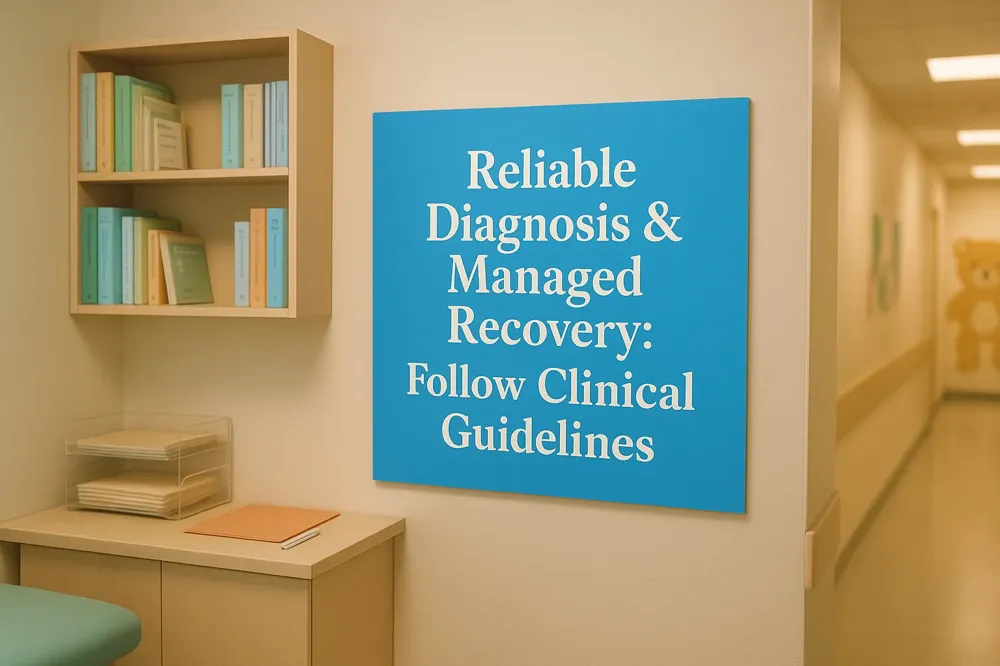
The Centers for Disease Control and Prevention (CDC) offers evidence-based recommendations for pediatric mild traumatic brain injury (mTBI) management. Key guidance includes avoiding routine imaging unless warranted by clinical signs. See CDC Pediatric mTBI Guideline.
Following diagnosis, the initial management focuses on physical and cognitive rest for about 1 to 2 days to minimize brain stress. After this period, a gradual, symptom-guided return to non-sport activities, including schoolwork, is encouraged to support recovery without exacerbating symptoms. Detailed recommendations can be found in Rest and gradual return to activity post-concussion and A Parent's Guide to Concussions.
Healthcare providers tailor return-to-play protocols for sports participation, mandating that children must be symptom-free at rest and during exertion before resuming full activities. Avoidance of contact sports until medical clearance is crucial to prevent further injury. Guidance on this subject is available at Return to play after concussion.
In severe cases of traumatic brain injury, neurocritical monitoring involves intracranial pressure assessment, controlling body temperature, and optimizing blood pressure and sodium balance. Interventions can include hypertonic saline administration, use of external ventricular drains, and seizure prophylaxis. Such care is generally provided in specialized facilities with follow-up clinics ensuring ongoing recovery evaluation. For comprehensive care details, please see Concussions in Children.
Across all cases, close symptom monitoring and individualized care planning are vital for optimizing outcomes in children with concussion or head injury. More information is available in Signs of concussion in children.
| Aspect | Details | Notes |
|---|---|---|
| Diagnosis | Symptom checklists, neurological exams, clinical history | Imaging only if severe symptoms or red flags; see Signs and Symptoms of Concussion |
| Initial Management | 1-2 days physical and cognitive rest | Screen time and strenuous activity limited; see Rest and recovery after concussion |
| Gradual Activity Return | Symptom-guided, includes school and light exercise | Monitoring for symptom recurrence important; see Gradual return to activities |
| Return to Sport | Only after full recovery and healthcare clearance | Stepwise increasing activity levels; see Return to play guidelines after concussion |
| Severe TBI Care | Intracranial pressure monitoring, seizures management | Specialized neurocritical care; see Severe concussion warning signs |
| Follow-up | Specialized TBI clinics within 1 month post discharge | Ensures ongoing assessment and recovery; see Follow-up care for brain injury |
Treatment and Recovery: Supporting Your Child’s Healing from a Concussion

Importance of Physical and Cognitive Rest
After a concussion, both physical and cognitive rest are crucial. This means limiting physical activities like sports, running, or even prolonged walking, alongside avoiding demanding mental tasks such as extensive screen time, reading, or homework in the first 24 to 48 hours post-injury. Rest helps the brain heal by reducing stress and preventing symptom worsening.
Recommended Duration of Rest
Initial rest for 1 to 2 days is recommended to allow symptoms to stabilize. Excessive or prolonged rest beyond this can be harmful. After this period, children should gradually resume daily activities as long as symptoms do not return or worsen.
Gradual Return to Physical and School Activities
Recovery is a stepwise process. Children should return to school with accommodations such as lighter workloads, extra time on assignments, or shorter school days as needed. Physical activities should start at low intensity and slowly increase under medical guidance. Full participation in contact sports or strenuous exercise must wait until a healthcare provider officially clears the child. For more details, see Return to school after concussion and Return to play guidelines for children.
Monitoring for Symptom Progression
Parents and caregivers should watch closely for signs of symptom worsening or new symptoms like severe headache, confusion, repeated vomiting, or seizures, which demand immediate medical attention. Follow-up appointments with healthcare providers help track recovery and adjust the care plan.
Emotional and Mental Health Considerations
Concussions can affect mood and behavior, causing irritability, sadness, or anxiety. Support for emotional well-being is essential during recovery. If symptoms of anxiety or depression persist, professional help should be sought. More on Managing mental health post-concussion.
Role of Healthcare Provider Clearance Before Return to Sports
Children should never return to sports or physical activities that risk head impacts until evaluated and cleared by a healthcare professional with concussion expertise. A formal return-to-play protocol is used to ensure safety and minimize risks of re-injury, which can cause serious complications.
| Aspect | Recommendations | Details & Notes |
|---|---|---|
| Physical & Cognitive Rest | 24-48 hours immediate rest | Avoid screens, reading, and physical exertion |
| Activity Resumption | Gradual return guided by symptoms | Start with light activities, increase slowly |
| School Accommodations | Lighter workloads, extra time, partial days | Tailored to child's tolerance and symptoms |
| Monitoring | Watch for severe headache, vomiting, confusion | Seek emergency care if these worsen or new severe symptoms appear |
| Emotional Support | Address mood changes, anxiety, irritability | Consider mental health professional if symptoms persist |
| Clearance for Sports Return | Medical evaluation and stepwise return-to-play | Prevents second injury and long-term complications |
Monitoring and Safety: What Parents Should Know Post-Concussion
How long should children be kept awake after a concussion?
Children do not need to be kept awake continuously after a concussion. It is safe and important to allow them to sleep. However, parents should closely observe their child for the first 24 to 48 hours for any signs of concussion in children. Immediate medical attention is required if any of these emergency signs appear.
What is the importance of monitoring symptoms for 48 hours?
Signs of concussion in children may not be immediately apparent and can take up to 48 hours to manifest. During this time, careful monitoring helps detect any progression or new symptoms such as balance issues, dizziness, or emotional changes. Early identification allows for timely medical intervention and supports a safer recovery.
What are safe sleep practices after concussion?
Sleep is crucial for brain healing and recovery after a concussion. Children should maintain normal sleep routines without forced awakenings unless advised by a healthcare provider. Avoiding caffeine and minimizing screen time before bedtime aids restful sleep and faster recovery. See Signs of concussion in children.
How should screen time and cognitive exertion be managed?
Limiting screen time, loud noises, and bright lights is recommended especially during the first 24 to 48 hours post-injury. Mental rest including avoidance of activities like video games, puzzles, and schoolwork helps reduce cognitive strain. Gradual resumption of these activities should follow the child’s symptom improvement and medical guidance. Refer to Rest and gradual return to activity post-concussion.
What steps can parents take to prevent a second concussion?
Children should avoid physical activities, especially contact sports, until a healthcare professional has cleared them. Reinforcing safety equipment use, proper techniques, and ensuring a complete symptom-free recovery reduces the risk of a second concussion, which could lead to prolonged symptoms or severe brain injury. Guidance on Protective equipment and concussion prevention is recommended.
When should emergency care be sought?
Emergency care is required if the child shows any severe symptoms such as loss of consciousness over a minute, seizures, worsening headache, repeated vomiting, unequal pupils, difficulty waking, or abnormal behavior. Immediate intervention is critical to address potential serious brain injuries. See Signs and Symptoms of Concussion for detailed emergency signs.
What are general return-to-play and return-to-school guidelines?
Return to physical and cognitive activities should be gradual and symptom-guided. Initial rest followed by light activity progresses stepwise to full sports participation only after medical clearance. School accommodations like reduced workload may be necessary during recovery to minimize cognitive stress and support healing. See Return to play after concussion and Academic adjustments post-concussion.
| Aspect | Guidelines Summary | Additional Notes |
|---|---|---|
| Monitoring | Watch child closely for 48 hours post-injury for symptom emergence | Symptoms may be delayed up to 2 days |
| Sleep | Allow normal sleep; no need to keep awake unless advised | Avoid caffeine, screens before bedtime |
| Screen and Cognitive Rest | Limit screens and mental exertion during first 48 hours | Gradual reintroduction based on symptom tolerance |
| Preventing Second Injury | Avoid contact sports and physical activity until medically cleared | Use proper safety gear |
| Emergency Signs | Loss of consciousness, seizures, worsening headache, vomiting, pupil changes | Requires urgent medical attention |
| Return to Activities | Stepwise return with medical guidance on sports and school | May need academic accommodations |
Preventing Concussions and Promoting Safe Activities for Kids and Teens
Risk Factors for Concussion in Children and Teens
Children and teens are particularly vulnerable to concussions due to their developing brains and frequent participation in activities that involve physical contact or falls, such as football, soccer, hockey, basketball, and bicycling. Young children under age 4 and teenagers engaging in riskier play are more likely to suffer concussions. Awareness of these risk factors helps parents, coaches, and schools implement safety measures. For more information, see Concussions in children and teens.
Role of Helmets and Protective Gear
Wearing helmets that meet safety standards (like those with NOCSAE certification) is crucial in reducing the severity of head injuries, especially in contact sports and activities like biking or skating. While helmets cannot prevent concussions entirely, they protect children from catastrophic brain injuries and should always be properly fitted and replaced after any significant impact. Learn more at Children’s Hospital Colorado and University of Colorado School of Medicine affiliation.
Importance of Teaching Safe Play Techniques
Educating children and teens on safe playing techniques, such as proper tackling in football or avoiding dangerous maneuvers in sports, lowers the risk of concussion. Coaches and parents should emphasize head safety and encourage children to report any hits or symptoms immediately without fear of penalty. See What Parents Should Know about Concussions for more.
School and Sports Policies for Concussion Prevention
Many schools have concussion management policies aligned with recommended guidelines: removing any child suspected of concussion from play immediately, requiring medical clearance before return, and gradually reintroducing physical and cognitive activities under supervision. Limitations on risky behaviors, such as banning body checking in youth hockey under age 13, further aid prevention. Relevant guidelines provided at CDC Pediatric mTBI Guideline.
Education and Awareness for Parents and Coaches
Training programs and educational resources help parents and coaches recognize early concussion signs and respond appropriately. This includes understanding that a child need not lose consciousness to have a concussion and that symptoms can be delayed. Raising awareness ensures timely medical evaluation and reduces the chance of repeated injury. For detailed information, see Signs of concussion in children.
Avoiding Repeat Injuries and Complications like Second Impact Syndrome
A critical preventive measure is ensuring children do not return to sports or strenuous activities before full recovery, as premature return increases the risk of second impact syndrome—a potentially fatal brain swelling condition. Adhering to a gradual return-to-play protocol and rest guidelines is vital to avoiding such complications. More on this can be found at A Parent's Guide to Concussions.
What Should I Do If I Suspect My Child or Teen Has a Concussion?
If a concussion is suspected, immediately remove the child from play and seek medical evaluation. Follow the healthcare provider's instructions carefully, including restrictions on physical activity and screen time. Proper helmet use and safety rule adherence are vital for prevention. See What to do if your child has a concussion for steps to take.
What Are Pediatric Guidelines for Managing Head Injuries and Concussions?
Pediatric guidelines recommend wearing certified helmets in contact sports, enforcing rules that reduce dangerous play, educating all stakeholders about signs and symptoms, and promoting neck muscle strengthening exercises. A gradual, supervised return to activities after a concussion ensures safe recovery and reduces future injury risk. Complete clinical recommendations are available at CDC Pediatric mTBI Guideline.
Ensuring a Safe and Healthy Recovery for Your Child
Awareness and Education Are Vital
Understanding concussion signs and symptoms is crucial for timely recognition and care. Educate yourself and your child about the risks, symptoms, and the importance of reporting any head injury immediately.
Teamwork with Healthcare Providers
Collaborate closely with doctors and specialists experienced in pediatric concussion care. Their guidance on rest, activity resumption, and symptom monitoring ensures your child's safer and smoother recovery.
Patience Is Key in Recovery
Recovery times vary. Children need physical and mental rest, followed by gradual return to daily activities. Avoid rushing, as returning to sports or school prematurely can worsen symptoms or cause further injury.
Advocating for Accommodations
Work with schools and sports programs to arrange necessary accommodations, such as reduced workloads or modified physical activities, to support your child's recovery and prevent symptom exacerbation.
Long-Term Outlook and Follow-Up
Most children recover fully within weeks, but some may need extended care for persistent symptoms. Regular follow-up appointments are essential to track recovery progress and address any ongoing concerns.