Understanding Diaper Rash: A Common Concern for Parents
What Is Diaper Rash?
Diaper rash, also known as diaper dermatitis, is a common skin irritation that affects many babies. It causes redness, soreness, and sometimes peeling or blistering in the diaper area — including the buttocks, genitals, and thighs.
Who Is Most Affected?
More than half of babies aged 4 to 15 months experience diaper rash at least once every couple of months. It's especially common in infants during their first month and again between 9 to 12 months. The introduction of solid foods often increases the chance of developing a rash due to changes in bowel movements.
What Causes Diaper Rash?
Diaper rash usually results from prolonged exposure to moisture from wet or soiled diapers. This moisture, combined with friction and changes in skin pH from urine and stool, irritates the sensitive skin of babies. In some cases, yeast or bacterial infections can develop, causing more severe symptoms like bright red patches, open sores, blisters, or pus. Allergic reactions to diapers, wipes, or soaps may also trigger rashes in sensitive infants.
Understanding these factors helps parents take important steps to keep their babies comfortable and skin healthy.
Preventing Diaper Rash: Essential Practices for Healthy Skin

How can I prevent diaper rash?
Prevent diaper rash starts with frequent diaper changes. It's crucial to change your baby's diaper promptly whenever it becomes wet or soiled, ideally checking every two hours or more frequently if needed. This prevents prolonged exposure to moisture and diaper rash that cause skin inflammation.
Proper cleaning and gentle care
During diaper changes, gently clean your baby's skin using warm water and a soft cloth rather than harsh soaps or wipes with fragrances or alcohol. Pat baby's skin dry carefully instead of rubbing to minimize irritation. Allowing the skin some diaper-free time to air out helps keep it dry and healthy.
Choosing the right diapers and fit
Using breathable, loose-fitting diapers that allow air circulation reduces moisture buildup. Avoiding tight diapers as they may trap moisture and cause friction. Choosing disposable diapers that are highly absorbent can also keep the skin drier than cloth diapers.
Avoiding irritants
Products with fragrances, dyes, preservatives, or harsh chemicals can trigger diaper rash, especially in babies with sensitive skin or allergies. Opt for fragrance-free, dye-free diapers. Be cautious with new products, and discontinue use if irritation appears.
Barrier ointments and creams
Applying a thick layer of barrier ointments containing zinc oxide or petroleum jelly for diaper rash at every diaper change forms a protective shield on the skin. This barrier keeps moisture away from sensitive areas and aids in preventing irritation and rash.
Care for cloth diapers
If using cloth diapers, wash them with detergents free of fragrances and dyes while avoiding fabric softeners that can irritate the baby's skin. Proper cleaning ensures cloth diapers do not harbor irritants that contribute to rash development.
Monitoring and early detection
Keep an eye on your baby’s skin for early signs of Diaper rash symptoms and signs such as redness, soreness, or peeling. Early intervention with increased diaper changes, gentle cleaning, and barrier ointments can stop rash progression and maintain healthy skin.
Adopting these simple yet effective practices can significantly reduce the chances of diaper rash, ensuring your baby’s comfort and healthy skin.
Effective Soothing and Treatment Strategies for Diaper Rash
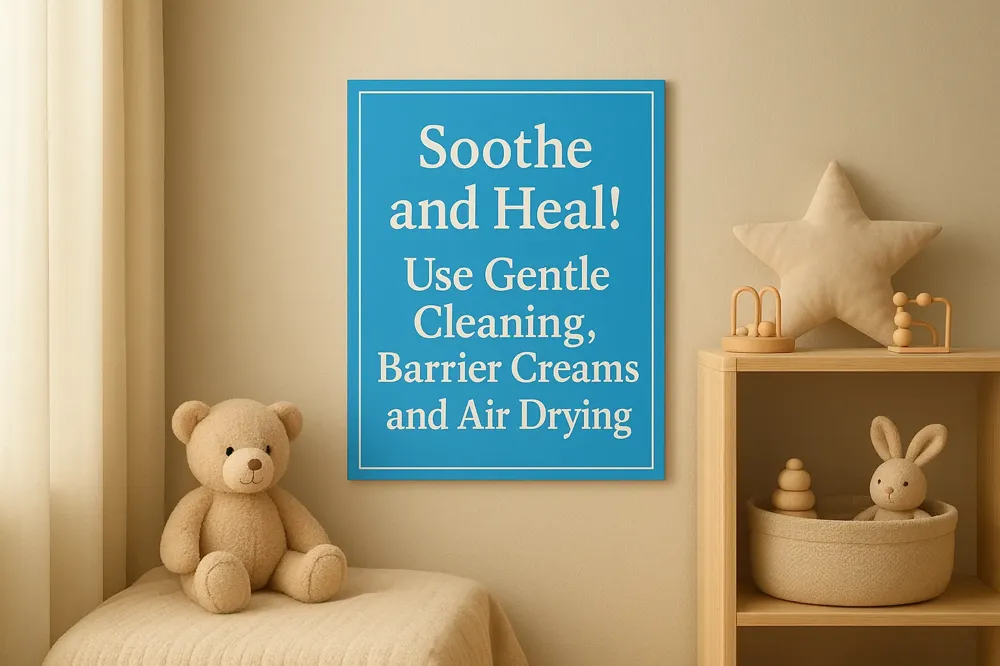
Gentle cleaning techniques and product recommendations
Keeping your baby's skin clean is crucial when managing diaper rash symptoms. Use warm water and a soft washcloth to gently rinse the diaper area during every change. Avoid harsh soaps, alcohol-based, or fragranced wipes as these can worsen irritation. Fragrance-free, dye-free wipes or plain water are best choices. After cleaning, gently pat the skin dry instead of rubbing, which can aggravate the rash.
Use of barrier creams and ointments
Barrier creams containing zinc oxide creams or petroleum jelly are essential to protect sensitive skin. Applying a thick layer of these creams like Desitin, Balmex, or Triple Paste after each diaper change forms a protective barrier that shields the skin from moisture and irritants. These ointments also support healing and reduce discomfort.
Importance of air drying and diaper-free time
Air drying the diaper area is a simple yet powerful step. Exposing the skin to air helps reduce moisture buildup, the primary cause of diaper rash causes. After cleaning, let your baby go diaper-free for short periods to encourage faster healing. Using looser-fitting diapers or allowing diaper-free time during naps also improves airflow, relieving skin irritation.
Home remedies including baking soda baths and natural options
Baking soda baths can ease inflammation and soothe irritated skin. Add 2 tablespoons of baking soda to warm bath water and soak your baby’s affected areas for 5 to 10 minutes once or twice daily. Natural remedies such as coconut oil, calendula cream, or oatmeal baths with colloidal oatmeal also help calm irritation and promote repair.
Managing mild to moderate cases at home
Most diaper rash improve with consistent home care within a few days to two weeks. Key management includes frequent diaper changes, gentle cleaning, air drying, and applying protective ointments. If the rash does not improve, worsens, or shows signs of infection like blisters, pus, or fever, seek medical advice promptly.
| Soothing Strategy | Details | Recommendations |
|---|---|---|
| Gentle Cleaning | Use warm water, soft cloth; avoid harsh wipes | Pat dry gently; avoid rubbing |
| Barrier Creams | Zinc oxide or petroleum jelly-based ointments | Apply thick layer after every diaper change |
| Air Drying | Let skin air out to reduce moisture | Diaper-free time; use loose-fitting diapers |
| Baking Soda Baths | Reduce inflammation and soothe skin | 2 tbsp baking soda in warm water, 5-10 min |
| Natural Remedies | Coconut oil, calendula, oatmeal baths | Use alongside standard care |
| Home Care Management | Frequent changes, gentle care, protection | Monitor for worsening signs, consult doctor |
Choosing the Right Diaper Rash Creams for Sensitive Skin and Newborns

What are the best diaper rash creams for sensitive skin or newborns?
For babies with sensitive skin or newborns, using a gentle, hypoallergenic diaper rash cream is crucial to protect delicate skin and encourage healing. Products containing zinc oxide cream and petroleum jelly for diaper rash are top choices because they form a protective barrier to shield the skin from moisture and irritants.
Commonly recommended creams by pediatricians include Desitin Sensitive Skin, Aquaphor Baby Healing Ointment, and Aveeno Baby Soothing Relief Diaper Rash Spray. These brands offer formulations designed to be gentle and free from harsh additives.
Ingredients to look for
- Zinc oxide: Provides a thick, protective layer that soothes irritated skin and prevents further chafing.
- Petroleum jelly: Locks in moisture and acts as a barrier against wetness.
What to avoid
Avoid creams with fragrances, dyes, or alcohol, as these ingredients can exacerbate irritation and delay healing.
When to consult a healthcare professional
If diaper rash does not improve with home treatment, worsens, or if the baby develops symptoms like fever, blisters, or pus, consulting a pediatrician is essential. Medical advice ensures proper treatment and prevents complications.
Understanding Different Types of Diaper Rash and Appropriate Treatments

What are the different types of diaper rash?
Diaper Rash happens in several forms. The most common is Irritant Diaper Rash, caused by prolonged exposure to urine, stool, or friction from the diaper. This leads to red, sore, and irritated skin.
Another type is Yeast (Candida) Infection, which often appears as shiny, bright red patches with sharp edges. This rash can be especially common after antibiotic use or when irritation persists.
Bacterial Infections, such as impetigo, are less frequent but serious. They can cause crusted, pus-filled sores and may require medical attention.
Some babies have allergic reactions to diaper materials, wipes, or creams, leading to rash flare-ups. Rare conditions like seborrheic dermatitis or psoriasis may mimic diaper rash but need different care.
What treatments are recommended for yeast diaper rash?
Treating yeast diaper rash involves Using antifungal creams for diaper rash like clotrimazole or miconazole, which should be used as advised by a pediatrician, typically for a few days after clearing the rash.
Along with medication, Keeping baby's skin clean and dry with Frequent diaper changes helps soothe the skin. Applying Barrier creams for diaper rash such as zinc oxide or petroleum jelly protects the skin from moisture. Allowing the baby some diaper-free “air time” aids healing by Increasing airflow to diaper area.
If the rash lasts over a week, worsens, or comes with fever or pain, it's important to seek a healthcare provider’s advice before continuing treatment.
What are effective treatments for severe diaper rash?
Severe diaper rash requires careful attention. Frequent diaper changes and gentle cleaning with warm water prevent further irritation.
Applying thick Barrier creams containing zinc oxide or petroleum jelly shields and aids skin repair. Regular air exposure by leaving the diaper off briefly can also help.
Avoiding wipes with alcohol or fragrances reduces irritation.
If the rash does not improve after a few days or shows signs of infection—such as blisters, pus, or spreading redness—prompt medical consultation is necessary.
Some parents try alternative remedies like Using breast milk for diaper rash or aloe vera, but these should be discussed with a provider as their effectiveness varies.
Maintaining Healthy diapering habits and watching for any warning signs ensures the best care and comfort for your baby.
When to Seek Medical Attention for Diaper Rash and Managing Symptoms
What are the signs that a diaper rash is infected?
Watch closely for symptoms of diaper rash such as fever, blisters, pus, open sores, or a rash that spreads beyond the diaper area. These signs suggest infection, such as yeast or bacterial involvement, and need prompt evaluation by a healthcare provider. If redness worsens or is accompanied by swelling or pain, seek when to see a healthcare professional immediately to prevent complications.
How can diaper rash pain be relieved quickly?
To soothe discomfort, gently rinse baby's bottom with warm water and a soft cloth, avoiding harsh soaps or wipes containing alcohol or fragrance. Let the skin air dry or pat it gently. Apply a thick barrier creams for diaper rash with zinc oxide or petroleum jelly to protect irritated skin from moisture. For babies in pain, age-appropriate doses of acetaminophen or ibuprofen can provide relief but always consult your pediatrician before giving medication.
When should you consult a pediatrician for diaper rash?
If the rash persists beyond a few days despite proper care, worsens, or is accompanied by fever or spreading blisters, seek when to see a doctor for diaper rash. Persistent rashes may indicate secondary infections or allergic reactions requiring special treatment. Also, consult your doctor if the baby is unusually fussy, the rash is painful, or shows pus or open sores.
What products should be avoided in diaper rash treatment?
Avoid creams or ointments containing benzocaine, salicylates, and harsh chemicals as they can cause further irritation or toxicity in infants. Stick to gentle, pediatrician-recommended barrier ointments free of fragrances and harmful additives for safe management.
Monitoring diaper rash progression closely and responding early to alarming signs helps protect your child's health and comfort. Medical intervention can ensure infections are treated effectively and pain is properly managed.
Supporting Your Baby’s Comfort and Skin Health Long-Term
Preventing and Treating Diaper Rash
Keeping your baby's skin clean, dry, and well-protected is essential for preventing diaper rash. Frequent diaper changes, ideally every two hours or as soon as the diaper is wet or soiled, help minimize moisture exposure that can irritate delicate skin.
Using barrier creams with zinc oxide or petroleum jelly creates a protective layer that soothes and shields the skin from irritation. Gentle cleaning with warm water and a soft cloth—avoiding harsh soaps and scented wipes—reduces further skin discomfort. Allowing diaper-free periods allows the skin to breathe and aids healing.
Maintaining Healthy Diapering Habits
Consistency is key. Checking diapers regularly, choosing absorbent and well-fitting diapers, and applying ointments religiously after every change promote lasting skin health. Avoiding tight diapers and minimizing exposure to irritants such as fragranced products helps prevent flare-ups.
When to Seek Medical Advice
If your baby’s rash does not improve within a few days, worsens, or shows signs like blisters, pus, or fever, consult a healthcare provider promptly. Early intervention can prevent infections and ensure proper treatment.
Creating a Soothing Environment
Use fragrance-free, dye-free products suitable for sensitive skin, bathe your baby with mild cleansers, and protect them from harsh environmental factors. These steps support resilient skin that stays comfortable as your baby grows.