Introduction to Childhood Sleep Disorders
The Crucial Role of Sleep in Child Development
Sleep is fundamental to a child's growth and overall well-being. During sleep, the brain develops and processes information, supporting memory, learning, and emotional regulation. Physically, sleep helps with tissue repair, growth hormone release, and supports a healthy immune system. Without sufficient restorative sleep, children may face challenges in many areas of life.
How Common Are Sleep Problems in Children?
Sleep difficulties are surprisingly widespread, with up to half of children experiencing some form of sleep problem during childhood. While many face occasional issues, such as nightmares or difficulty falling asleep, about 4% are diagnosed with formal sleep disorders like obstructive sleep apnea or restless legs syndrome. These disorders can affect kids from infancy through adolescence.
Impact of Sleep Disorders on Health and Functioning
When sleep is disrupted, children's physical health and development may suffer. Lack of quality sleep increases the risk for chronic conditions like obesity and hypertension. It can also impair brain functions such as attention, memory, and emotional control, leading to behavioral problems, irritability, and difficulties in school performance. Early identification and treatment are therefore essential to promote healthy growth and mental well-being in children and teens.
Ensuring proper sleep is not just about rest — it is critical for a child’s physical and cognitive development and overall quality of life.
Common Childhood Sleep Disorders and Their Symptoms
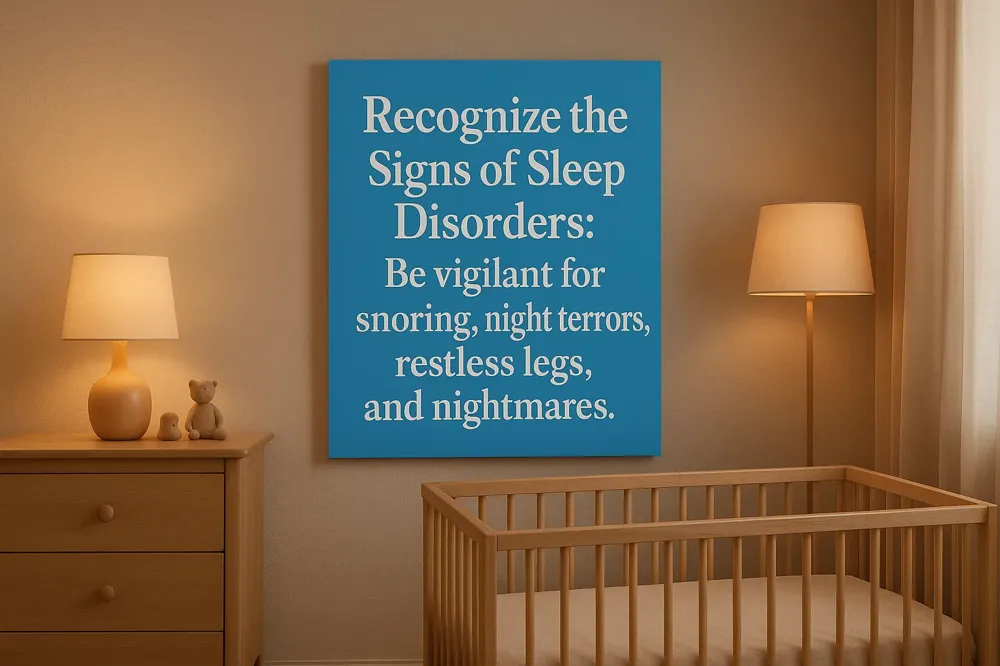
What is the most common sleep disorder in children?
Sleep apnea is the most common formal Sleep Disorders in Children , affecting 1% to 5% of children. This condition is often related to enlarged tonsils, obesity, or airway abnormalities that cause breathing interruptions during sleep. Insomnia in Children is also very common, impacting 20% to 30% of children at some stage, characterized by difficulties falling or staying asleep.
What are typical symptoms of childhood sleep disorders?
Common symptoms include:
- Snoring: A frequent sign of Obstructive sleep apnea in children.
- Sleepwalking and Night Terrors: Affecting about 5% and 30% of children respectively, these Parasomnias in children usually occur during deep sleep stages and often resolve by adolescence.
- Restless Legs Syndrome (RLS): Causes an irresistible urge to move the legs, leading to restless nights and discomfort.
- Nightmares: Distressing dreams that children usually remember, associated with stress or developmental changes.
- Behavioral signs: Irritability, difficulty concentrating, hyperactivity, and mood swings often arise as consequences of poor-quality sleep.
How do sleep disorders impact children's behavior and emotions?
Sleep problems can significantly impair attention, memory, and learning, leading to academic and social difficulties. Behavioral issues like irritability, hyperactivity, and mood disturbances are common. Poor sleep also increases risks for chronic health conditions and emotional challenges. Early identification and Treating Sleep Disorders in Kids are essential to support healthy development and well-being.
This comprehensive understanding highlights the importance of Signs of Sleep Disorders in Children early and seeking medical advice to manage Sleep Disorders in Children effectively.
Sleep Disorders Frequently Seen in Early Childhood
What are three common sleep problems in early childhood?
Sleep disorders are quite common among young children and can significantly impact their development and daily functioning. Three of the most frequently seen sleep problems in early childhood include parasomnias in children, obstructive sleep apnea in children (OSA), and behavioral insomnia in kids.
Parasomnias such as sleepwalking and night terrors
Parasomnias in children affect up to 50% of children and encompass incidents like sleepwalking, night terrors, and nightmares. These disruptive behaviors typically occur during transitions between sleep stages and generally resolve by adolescence. While not usually dangerous, it is vital to ensure a safe sleep environment to protect children during these episodes. For example, securing windows, doors, and removing sharp objects can help prevent injury.
Obstructive sleep apnea (OSA) characteristics and causes
Obstructive sleep apnea in children affects about 1% to 5% of children and is mainly caused by enlarged tonsils or adenoids, obesity, or craniofacial abnormalities. Symptoms include loud snoring, abnormal sleep positions, episodes of breathing pauses, bedwetting, and excessive daytime sleepiness. OSA can lead to behavioral problems and cognitive impairments if left untreated. Diagnosis is confirmed by overnight polysomnography for kids, a sleep study monitoring breathing and brain activity. The primary and often effective treatment is adenotonsillectomy for obstructive sleep apnea syndrome, which involves surgical removal of the tonsils and adenoids.
Behavioral insomnia manifestations and treatment approaches
Behavioral insomnia presents as difficulty falling or staying asleep, often with children showing bedtime resistance or depending on specific sleep associations, like needing parental presence to fall asleep. It affects 10% to 30% of children and can significantly disrupt sleep quality. Treatment primarily involves behavioral techniques such as establishing consistent bedtime routines, sleep hygiene education, and extinction approaches that gradually reduce sleep-related anxieties.
Early identification and treatment of these common sleep disorders in children help improve children's cognitive function, behavior, and overall health, making medical consultation invaluable for ongoing support and management.
Understanding Causes and Risk Factors of Childhood Sleep Disorders
What are the most common causes of sleep problems?
Sleep problems in children can stem from a mix of medical, behavioral, and environmental factors. Medically, enlarged tonsils and adenoids are frequent culprits, especially leading to Obstructive sleep apnea in children, a condition where airway obstruction disrupts normal breathing during sleep. Obesity is another significant risk factor that contributes to airway obstruction and worsens sleep quality.
Neurological and psychiatric conditions, such as ADHD, anxiety, depression, and neurodevelopmental disorders like autism spectrum disorder, often coincide with or exacerbate sleep problems. These conditions may impair regular sleep patterns or increase susceptibility to disorders like Insomnia in children and Restless legs syndrome in children.
Behavioral and environmental factors also play a crucial role. Inconsistent bedtime routines, stress, anxiety, and exposure to electronic devices before bed can hinder the ability to fall and stay asleep. Poor Sleep hygiene in pediatric sleep disorders, such as irregular sleep schedules or stimulating activities close to bedtime, may provoke or worsen sleep disturbances.
Neurodevelopmental disorders pose unique challenges, with children frequently experiencing a higher prevalence and severity of sleep problems including Parasomnias in children and breathing-related disorders. These children require specialized assessment and tailored interventions.
Addressing these multifactorial causes requires a comprehensive approach, focusing on medical evaluation, establishing consistent sleep routines, managing stress, and improving the sleep environment to promote healthy sleep patterns essential for children's growth, behavior, and development.
Psychiatric and Neurodevelopmental Associations with Sleep Disorders
What are the psychiatric disorders associated with sleep disorders?
Sleep disorders frequently coexist with several psychiatric and neurodevelopmental conditions in children and adolescents. Disorders such as depression and anxiety often involve symptoms like insomnia or hypersomnia, disrupting normal sleep patterns. Bipolar disorder also affects sleep, with patients experiencing either reduced need for sleep during manic states or increased sleep during depressive episodes.
Post-traumatic stress disorder (PTSD) is another condition marked by pronounced sleep disturbances, including frequent nightmares and difficulty initiating sleep. Attention-deficit/hyperactivity disorder (ADHD) and autism spectrum disorder (ASD) are neurodevelopmental disorders commonly linked with sleep problems such as insomnia, restless legs syndrome, and obstructive sleep apnea.
How do psychiatric medications impact sleep in children?
Medications used to manage psychiatric conditions can influence sleep quality and patterns. Some stimulants prescribed for ADHD might cause insomnia or delayed sleep onset. Conversely, certain antidepressants or mood stabilizers may lead to sedation or changes in sleep architecture. Therefore, medical providers carefully consider the sleep-related side effects when prescribing and managing these medications in pediatric patients.
Why is an integrated approach important in treating sleep disorders with psychiatric comorbidities?
Because sleep problems are intertwined with psychiatric and neurodevelopmental disorders, an integrated treatment approach is essential. Effective management includes collaboration among pediatricians, sleep specialists, psychiatrists, and psychologists. Behavioral therapies such as cognitive-behavioral therapy for insomnia (CBT-I) are often recommended, alongside tailored pharmacological treatments. Addressing both the sleep disorder and the underlying psychiatric condition improves overall health, cognitive functioning, and emotional well-being in children and teens.
Diagnostic Approaches for Pediatric Sleep Disorders
How are childhood sleep disorders diagnosed?
Diagnosing sleep disorders in children involves a detailed and comprehensive clinical evaluation. This starts with a thorough medical and sleep history, where caregivers and patients describe sleep patterns, behaviors, and symptoms. Sleep diaries or logs are often used to track nightly sleep schedules, awakenings, and behaviors, providing valuable insights over time.
Use of polysomnography and sleep studies
For certain conditions such as obstructive sleep apnea, restless legs syndrome, or narcolepsy, objective testing is necessary. Polysomnography for pediatric sleep diagnosis , an overnight sleep study conducted in specialized centers, is considered the gold standard for diagnosing many pediatric sleep disorders. It records brain waves, heart rate, breathing patterns, oxygen levels, and limb movements, allowing clinicians to detect interruptions in breathing or abnormal movements during sleep.
Role of sleep diaries and questionnaires
Sleep diaries and questionnaires aid clinicians in understanding the child's sleep habits and problems. Tools such as the BEARS sleep screening tool evaluate bedtime difficulties, daytime sleepiness, awakenings, regularity and duration of sleep, and breathing problems. These tools complement physical exams and help identify issues that may not be evident during a single clinical visit.
Comprehensive clinical evaluation and multidisciplinary assessment
In complex cases, a multidisciplinary approach is critical. Pediatric pulmonologists, neurologists, sleep psychologists, and other specialists collaborate to differentiate behavioral sleep problems from medical conditions. For example, children with neurodevelopmental disorders or psychiatric symptoms often require integrated assessments. Coordinated evaluation ensures an accurate diagnosis and tailored treatment plan that addresses all contributing factors.
Accurate and early diagnosis of pediatric sleep disorders is essential to prevent cognitive, behavioral, and physical health consequences and to promote healthy development and well-being in children and adolescents.
Treatment Strategies for Childhood Sleep Disorders
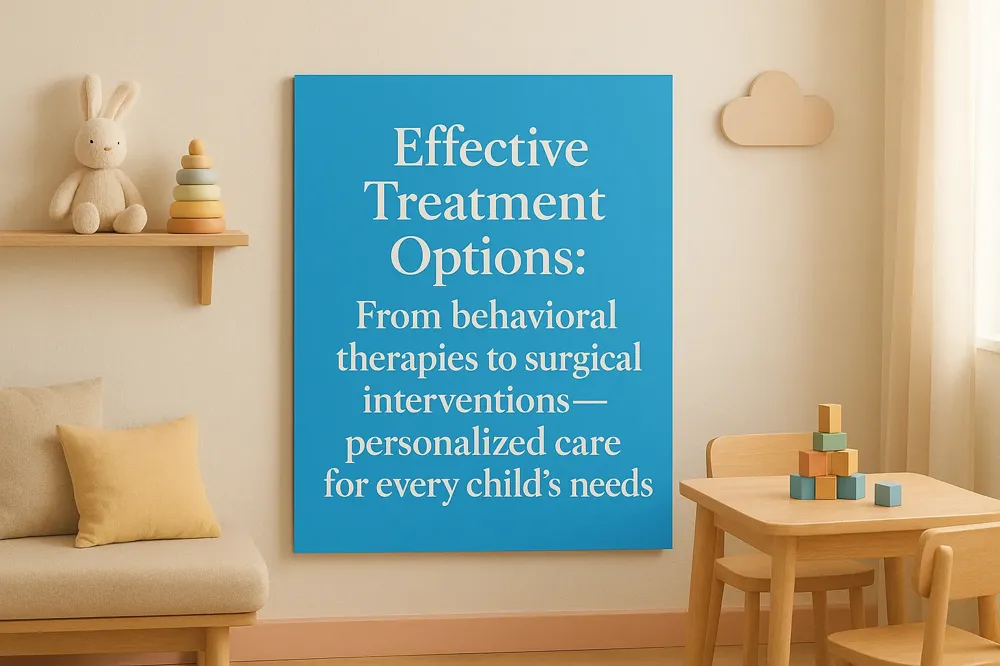
How are child sleep disorders treated?
Treating sleep disorders in children involves a personalized approach combining behavioral therapies for childhood insomnia, medical treatments, and lifestyle modifications tailored to the child’s specific condition.
Behavioral interventions including cognitive-behavioral therapy (CBT)
Behavioral strategies are often a first-line treatment, especially for insomnia and related sleep problems. Cognitive-behavioral therapy (CBT), including variations like CBT for insomnia (CBT-I), helps address sleep habits, anxiety around bedtime, and establishing consistent routines. Techniques such as extinction, positive routines, and scheduled awakenings support children to fall asleep and stay asleep independently. Sleep hygiene improvements—like regular bedtimes, limiting screen time before sleep, and creating calming pre-bedtime routines—play a vital role.
Medical approaches like adenotonsillectomy and CPAP therapy
For obstructive sleep apnea (OSA), which commonly stems from enlarged tonsils and adenoids, adenotonsillectomy is the primary surgical treatment, resolving symptoms in most cases. When surgery is insufficient or not recommended, continuous positive airway pressure (CPAP) or bilevel positive airway pressure (BPAP) machines may be used to keep airways open during sleep.
Other medical interventions may include iron supplementation for restless legs syndrome (RLS) when low iron levels contribute to symptoms.
Management of circadian rhythm disorders, restless legs syndrome, and narcolepsy
Circadian rhythm disorders like delayed sleep phase syndrome can be managed with bright light therapy to help reset the body’s internal clock, along with melatonin supplements and consistent sleep schedules.
Narcolepsy treatment often includes scheduled naps, medication, and lifestyle adjustments to manage excessive daytime sleepiness and other symptoms.
Restless legs syndrome is approached through lifestyle changes such as avoiding caffeine and addressing nutritional deficiencies, supplemented by medication when needed.
Comprehensive multidisciplinary care
Because sleep disorders in children can affect multiple aspects of health and development, multidisciplinary teams involving pulmonologists, neurologists, sleep psychologists, and pediatricians collaborate to tailor the best care plans. This integrated approach ensures not only symptom relief but also supports the child’s overall physical, emotional, and cognitive well-being.
Behavioral Strategies to Improve Sleep in Children
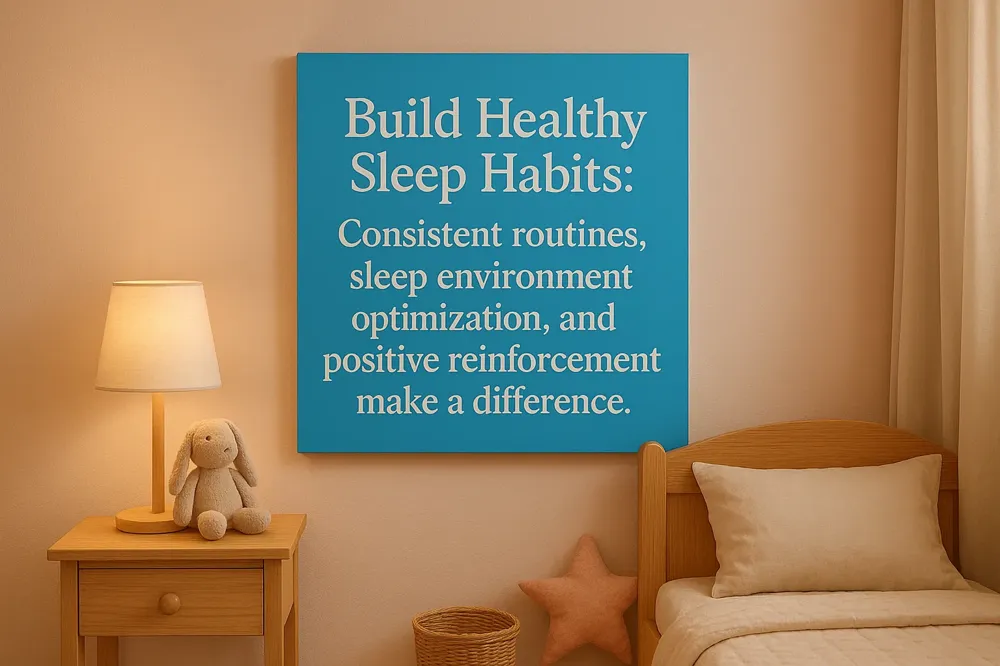
What behavioral strategies can help with child sleep disorders?
Behavioral strategies play a vital role in improving sleep health for children facing Behavioral treatments for sleep disorders in children. One of the most effective approaches is establishing consistent bedtime routines and regular sleep schedules. This helps signal to a child's body when it is time to wind down and promotes stable sleep patterns.
Creating a Sleep environment tips for children is equally important. A bedroom that is dark, quiet, and cool can significantly reduce sleep disturbances. Removing stimulating devices and limiting screen time before bed further supports natural sleep rhythms.
Limiting caffeine and sugar intake, particularly in the afternoon and evening, helps prevent difficulty falling or staying asleep. Parents can reinforce these behaviors through positive reinforcement and by maintaining calm, reassuring interactions during bedtime.
Parental involvement is crucial, as teaching children self-soothing techniques and reinforcing Healthy sleep habits for kids can ease bedtime resistance and night awakenings. When sleep issues persist despite these strategies, consulting a Behavioral interventions for pediatric sleep issues for tailored guidance is recommended.
Together, these behavioral strategies improve sleep quality and contribute to better emotional, cognitive, and physical health outcomes in children and teens.
Natural and Lifestyle Methods to Support Healthy Sleep
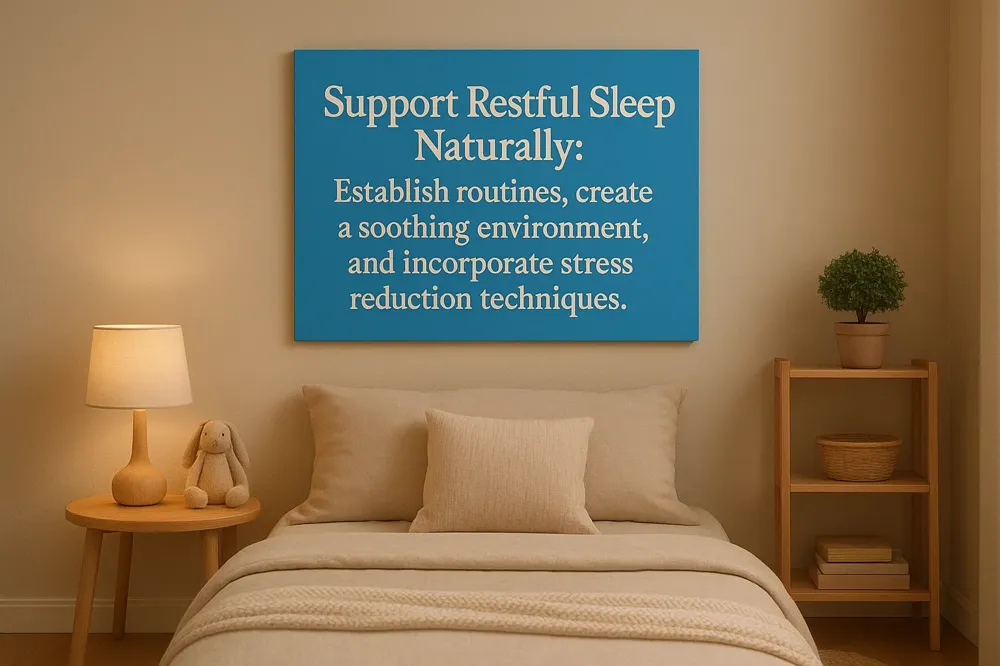
What natural methods can improve sleep disorders?
Natural methods to enhance sleep and manage sleep disorders in children focus on healthy habits and environmental adjustments. Establishing consistent sleep routines, including regular bedtimes and wake times even on weekends, lays the foundation for better sleep quality.
Creating a sleep-friendly bedroom environment is essential: keeping the room cool, dark, and quiet helps the child's body prepare for restful sleep. Avoiding stimulants such as caffeine and nicotine, particularly close to bedtime, is important since they can interfere with the ability to fall asleep.
Regular physical activity earlier in the day boosts sleep quality, but strenuous exercise should be avoided near bedtime. Stress reduction techniques like relaxation exercises, mindfulness meditation, or gentle yoga can alleviate anxiety and improve ease of falling asleep, reducing insomnia symptoms.
Limiting naps during the day and avoiding excessive fluids before sleep can help prevent night waking and bedwetting. Good sleep hygiene, which also involves limiting screen exposure before bed and managing lighting, supports natural circadian rhythms.
When necessary, behavioral therapies such as cognitive behavioral therapy for childhood sleep problems provide structured strategies to tackle persistent sleep issues without relying on medication, making them especially suitable for children and adolescents.
In summary, prioritizing sleep hygiene, physical activity, stress management, and a calming sleep environment are vital lifestyle approaches that empower children and teens to achieve healthier and more restorative sleep naturally.
Special Considerations and When to Seek Specialist Care
What sleep disorders require evaluation by a medical specialist?
Children and teens showing persistent signs like loud snoring, noticeable breathing pauses during sleep, or significant daytime sleepiness should prompt a consultation with a medical specialist. These symptoms often indicate conditions such as obstructive sleep apnea, narcolepsy, or restless legs syndrome that need specialized assessment and treatment to avoid health complications like heart issues and cognitive impairment.
The role of pediatric sleep specialists and multidisciplinary teams
Pediatric sleep specialists play a critical role in diagnosing and managing complex sleep disorders in young patients. They often work alongside multidisciplinary teams—including pulmonologists, neurologists, psychologists, and ENT specialists—to provide comprehensive care tailored to each child's needs. This team approach ensures accurate diagnosis through sleep studies and effective treatment plans that may involve behavioral strategies, medical interventions, or surgery.
Supporting neurodivergent children’s sleep
Children with neurodevelopmental differences such as autism or ADHD often face unique sleep challenges that require specialized approaches. Sleep specialists tailor interventions to address behavioral and sensory factors, ensuring safer and more effective management. Early involvement helps reduce the impact of sleep problems on learning, behavior, and emotional regulation.
Importance of early intervention and ongoing monitoring
Early recognition of sleep disturbances is vital to promote healthy development and prevent long-term issues. Persistent symptoms like repeated night terrors, severe insomnia, or sleep-related breathing difficulties should be addressed promptly. Ongoing follow-up allows specialists to adjust treatments as children grow and ensures better long-term outcomes through continuous support and monitoring.
Conclusion: Promoting Healthy Sleep in Children and Teens
Recognizing and Managing Sleep Disorders
Sleep disorders in children and teens are common and can affect their brain function, behavior, and overall health. Conditions like obstructive sleep apnea, insomnia, restless legs syndrome, parasomnias, and narcolepsy often show signs such as snoring, difficulty breathing during sleep, daytime sleepiness, irritability, and behavioral changes.
Early identification through observation of symptoms and sleep studies is vital to prevent long-term consequences on growth, learning, and emotional well-being.
Diagnosis and Treatment Approaches
Diagnosis usually involves detailed clinical assessment, including physical exams, sleep diaries, and overnight polysomnography to monitor breathing and brain activity during sleep. Treatment depends on the specific condition and can range from lifestyle modifications and behavioral therapies like CBT, to medical or surgical interventions, such as tonsil removal or use of CPAP machines.
Importance of Multidisciplinary Care
A team approach involving pediatricians, sleep specialists, pulmonologists, neurologists, and psychologists ensures comprehensive care tailored to each child. This collaboration helps address associated medical or developmental issues effectively.
Support for Families
Families are encouraged to seek professional guidance if their child shows signs of sleep problems. Early recognition and appropriate treatment support healthy development and improve quality of life for children and their families.