Understanding the Critical Importance of Child Safety
Leading Causes of Preventable Injuries and Deaths in Children
Unintentional injuries remain the top cause of death among children and teens in the United States. Common fatal injuries include motor vehicle crashes, drowning, poisoning, fires, suffocation, and falls. For young children, drowning stands out as the leading injury-related cause of death, especially among ages 1 to 4. Car crashes drastically impact older children and teens, with many fatalities linked to improper use of restraints or riding in unsafe seating positions.
Importance of Injury Prevention
Preventing childhood injuries is essential since many accidents occur at home or during everyday activities. Active supervision, childproofing homes, and teaching safety skills significantly reduce the risk of harm. Effective use of car seats, booster seats, helmets, and safety gates save lives and prevent serious injuries. Additionally, educating children about hazards and emergency responses empowers them to stay safe both indoors and outdoors.
Overview of Common Childhood Injury Types
Children face risks such as falls, burns, choking, poisoning, and drowning. Falls are the most frequent reason for emergency visits related to injuries, especially from playground equipment or stairs. Burns and scalds can result from hot water or flames commonly encountered in household kitchens. Poisoning often results from accidental ingestion of medications or household chemicals. Awareness and prevention strategies tailored to these types of injuries are crucial to protecting kids and teens during critical development stages.
Childproofing the Home: Essential Measures to Prevent Injury
What is child proofing and what are some common examples?
Child proofing involves making your home safer for children by removing or minimizing dangers that can cause accidents or injuries. This is a crucial step to protect young, curious kids as they explore their environment. Typical childproofing tips include installing safety locks on cabinets and drawers to prevent access to harmful items, covering electrical outlets to protect from shocks, and anchoring heavy furniture to walls to avoid tip-overs. These actions not only keep children safe from physical harm but also reduce risks of poisoning and electrical injuries.
What are some simple measures to avoid accidents at home for children?
Preventing accidents involves a variety of straightforward safety practices. Keep medicines, cleaning supplies, and toxic substances stored securely, preferably in locked cabinets and in their original containers, to avoid accidental ingestion. Safety gates at stairways and window guards can protect children from dangerous falls, the leading cause of injury in young kids. Installing smoke and carbon monoxide detectors on each home floor and near sleeping areas is essential to provide early warnings in emergencies. Supervision remains vital, especially near water sources such as bathtubs and pools, which should be fenced to prevent drowning.
Childproofing your home requires a proactive approach: regularly inspect your living space for risks, maintain safety devices like alarms and locks, and educate children about boundaries as they grow. This comprehensive attention helps build a secure environment where kids can safely learn and play without unnecessary risks.
Preventing Outdoor Injuries: Supervision, Safety Equipment, and Awareness
How Can Parents Effectively Prevent Injuries When Children Are Outdoors?
[Supervising Children During Outdoor Play] is vital to prevent injuries. Parents and caregivers should actively watch children to quickly address hazards and unsafe behavior. Before play, inspect the area for potential dangers like broken equipment, sharp objects, or uneven terrain that could cause falls or cuts.
Teaching children the correct use of equipment and game rules helps reduce accidents. For example, instructing children on how to properly use swings, slides, or sports gear encourages safer play. Additionally, children must wear appropriate protective gear such as [Wearing helmets and protective gear] when biking, scootering, or skateboarding.
What Safety Measures Should Be Taken to Prevent Common Outdoor Injuries?
-
Helmet and Protective Gear: Properly Fitted Helmets] can reduce the risk of head injuries by at least 45% during bike or scooter rides. Pads for elbows and knees can further protect children from scrapes and fractures.
-
Playground Safety: Falls constitute over 75% of playground injuries. [Active Playground Supervision] and using age-appropriate equipment with Shock-Absorbing Playground Surfaces] like wood chips or mulch can lessen injury severity.
-
Water Safety: Preventing child drowning] is a leading cause of injury-related death among young children. Constant [Supervising children around water] is essential. Swimming lessons for children] and ensuring use of life jackets for boating or swimming activities improve water safety.
-
Sun Protection and Hydration: Applying SPF 30 or higher sunscreen, providing hats and protective clothing, and reapplying sunscreen regularly help prevent sunburn. Keeping children hydrated prevents heat exhaustion or heat illness during sunny days.
-
Avoiding Heat-Related Illnesses: Never Leave Children in Cars] and recognizing early signs of heatstroke are critical. Outdoor playtime should be scheduled during cooler parts of the day to prevent overheating.
-
Safe Riding Practices: Enforce rules like always wearing helmets, riding in safe areas away from traffic, and avoiding risky maneuvers on bikes or scooters.
By combining vigilant supervision, use of protective equipment, environmental safety checks, and educating children about risks, parents and caregivers play a crucial role in preventing outdoor injuries and ensuring safe, enjoyable play experiences for children.
Water Safety and Drowning Prevention: Lifesaving Practices for Families
Why Is Drowning a Leading Cause of Injury Death in Young Children?
Drowning is the top cause of injury-related death for children ages 1 to 4. Toddlers are naturally curious but lack awareness of water dangers. A momentary lapse in supervision near pools, bathtubs, or natural bodies of water can lead to tragic outcomes. (Preventing child drowning)
How Can Parents Ensure Constant Supervision Near Water?
Supervising children closely and without distraction is the most effective way to prevent drowning. Children should never be left alone near water, including pools, tubs, buckets, or lakes. Designating an adult "water watcher" during playtime can help maintain vigilance. (Supervising children around water, Water safety around children)
What Are Effective Physical Barriers to Prevent Pool Access?
Fences or barriers with self-locking gates around pools significantly reduce drowning risk. These structures keep young children from wandering into water unsupervised. Pool alarms and safety covers add extra layers of protection but should complement—not replace—supervision. (Childproofing the home, Pool and Spa Safety Barriers)
How Do Life Jackets and Swimming Lessons Help Prevent Drowning?
Life jackets worn during boating or water play provide flotation support, especially for young or inexperienced swimmers. Swimming lessons teach essential skills and water safety, equipping children to handle water risks better. Enrolling children early in swimming programs is a recommended preventive step. (Swimming lessons for children, Learn-to-Swim Programs)
What Precautions Are Important When Supervising Bathtubs and Natural Water?
Even small amounts of water in bathtubs or buckets pose drowning hazards. Constant adult attention is required during bath time. Around lakes or ponds, children should wear life jackets and remain within arm’s reach of adults. (Childproofing tips, Water safety for children
How Can Families Prevent Heatstroke Related to Vehicles?
Every 10 days, a child dies in the US from heatstroke after being left in a hot vehicle. Never leave children unattended in cars, even briefly. Use reminders such as placing a personal item in the back seat or having caregivers double-check the vehicle. If a child is found alone in a hot car, call 911 immediately. (Heatstroke Prevention Tips, Never Leave Children in Cars)
Implementing These Strategies for Overall Child Injury Prevention
Effective injury prevention in children blends constant supervision, environmental safety modifications, and training. Parents should remove household hazards, secure potentially harmful substances, and maintain safety equipment. (Preventing household accidents, Child Safety)
| Prevention Area | Key Measures | Outcome |
|---|---|---|
| Water Safety | Constant supervision, pool fencing, life jackets, swimming lessons | Dramatic reduction in drowning risk (Drowning Prevention for Children |
| Indoor Safety | Childproof locks, outlet covers, secured furniture, poison storage | Fewer household injury incidents (Childproofing Your Home |
| Outdoor Play | Helmet use, safe playground surfaces, supervision | Reduced risk of falls and head injuries (Playground Safety |
| Vehicle Safety | Proper car seat use, booster seats, never leaving children alone in cars | Lower injury and death rates in vehicle accidents (Booster seat safety |
By integrating these lifesaving practices, families can provide a safer environment, safeguarding children from preventable injuries linked to water and other hazards.
Car Seat Safety and Motor Vehicle Injury Prevention for Children
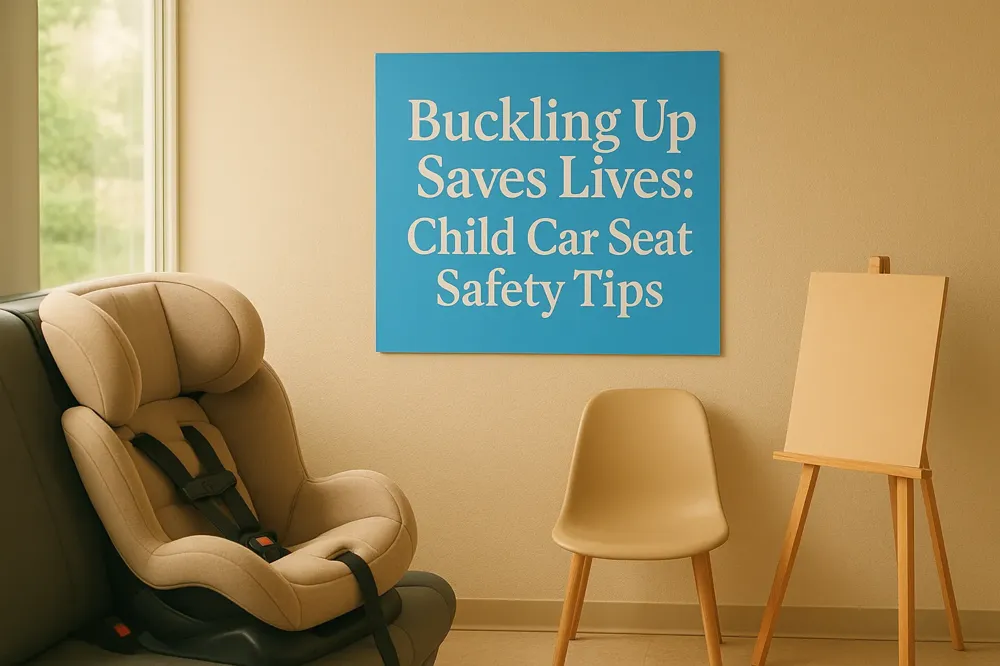
What is the leading cause of preventable deaths and injuries to children in the United States?
Injury is the leading cause of preventable death among children in the U.S., with motor vehicle crashes as a significant factor. These crashes cause many fatal and non-fatal injuries but are often preventable through proper car seat safety for children practices.
Why is proper use of car seats, booster seats, and seat belts important?
Proper restraint systems drastically reduce the risk of serious injury and death in vehicle crashes. Car seats designed for infants and toddlers provide critical protection and should be used rear-facing until at least age 2 or when outgrown by height or weight. Booster seats bridge the gap between car seats and seat belts, improving fit and crash protection for older children. Seat belts offer safety for children once they are large enough to fit them properly. Learn more about booster seat safety and reducing injury risk with booster seats.
What are the laws on child passenger safety?
All 50 states and the District of Columbia have laws requiring child restraint use. These laws specify age, height, and weight requirements for car seats, booster seats, and seat belt use. Additionally, 21 states have laws mandating that children sit in the rear seat until a certain age. Following these laws significantly lowers injury risk. See detailed child motor vehicle crash statistics 2023 and child restraint laws.
Why is riding in the rear seat recommended?
Children sitting in the rear seat have a 75% lower risk of fatal injury up to age three and about 50% lower risk between ages four and eight. Rear seating offers greater protection from airbag deployment and direct impact forces during crashes. For more info, see passenger vehicle occupant fatalities among children.
What do the statistics say about restraint use and fatality reduction?
Restraint use among children increased substantially from 15% in 1985 to 56% in 2023, with observational studies showing 90% use of restraints among children under 13 in recent years. This improved use corresponds with declining child motor vehicle deaths. Despite progress, about 70% of children involved in fatal crashes are still not properly restrained. Correct restraint use can reduce fatal injuries by nearly half or more. More information is available in child passenger safety statistics.
How can supervision and education improve vehicle safety?
Parents and caregivers are vital in enforcing safe behaviors and consistent use of car seats, boosters, and seat belts. Education about proper installation and correct use ensures maximum protection. Supervision includes never leaving children unattended in cars to prevent heatstroke or accidental injury. Community programs and stricter enforcement of child passenger laws also enhance safety outcomes, including heatstroke prevention tips and never leaving children in cars.
| Aspect | Recommendations | Impact on Safety |
|---|---|---|
| Car Seat Use | Rear-facing until at least age 2 | 75% lower fatal injury risk for young children (car seat safety for children) |
| Booster Seats | Use until seat belt fits properly | Reduce serious injury risk by 45% compared to seat belts alone (booster seat safety |
| Rear Seat Riding | Recommended for children under age 12 | Significant reduction in crash injury risk (child restraint laws) |
| Restraint Laws | Follow state-specific child passenger laws | Increased compliance reduces fatalities (child passenger safety statistics) |
| Supervision & Education | Teach and enforce proper use | Ensures consistent safety and prevents heat-related deaths (heatstroke prevention tips |
Teaching Children Personal Safety and Emergency Preparedness
Why Is Education Important in Injury Prevention?
Education is the foundation of keeping children safe. Teaching kids how to recognize hazards and follow General Safety Rules for Children helps prevent accidents. When children learn about Personal Safety for Children, they become more aware of dangers around them both inside and outside the home.
How Do Children Learn to Identify Dangers and Emergency Contact Information?
Parents and caregivers should teach children to know their full name, address, and phone numbers. This knowledge empowers children to seek help in emergencies. Teaching children to avoid strangers and unsafe situations helps them stay protected. Reinforcing these lessons regularly ensures children remember what to do when in danger. Resources on Teaching Children Full Name and Contact Information and Teaching Children about Stranger Danger provide further guidance.
Why Is Learning CPR and First Aid Vital?
Training children and caregivers in CPR and first aid equips them to respond quickly and effectively during emergencies. Such skills can save lives and reduce the severity of injuries until professional help arrives. Learn more about Learning CPR and first aid.
What Are Personal Boundaries and Stranger Danger Lessons?
Teaching children about personal boundaries makes them aware of appropriate and inappropriate touch. Children should understand they can say no and seek help if someone makes them uncomfortable. Educating them about stranger danger—like not accepting gifts or rides from strangers and staying close to caregivers—reduces risks of abduction or harm. Refer to General Safety Rules for Children and Teaching Children about Stranger Danger for more information.
Why Are Emergency Plans and Knowing How to Call 911 Important?
Families should develop and practice emergency escape plans for fires or other dangers. Children should be taught when and how to dial 911, what information to provide, and how to stay calm. This preparation ensures rapid response and improves safety during urgent situations. Tips on Teaching Kids to Dial 911 and Emergency and Escape Plans for Families can assist parents and caregivers.
What Role Do Parents and Caregivers Play in Safety Education?
Parents and caregivers are a child's first and most critical teachers. Consistent supervision, modeling safe behavior, and reinforcing rules create a secure environment. Sharing resources and attending parenting workshops can strengthen their ability to protect children effectively. See Parents as First Teachers and Parental Education on Injury Prevention.
Additional Tips From the '5 E's' of Accident Prevention
- Education: Teach safety rules clearly and regularly (Safety Tips for Children.
- Encouragement: Motivate children to practice safe habits (Child Safety and Protection Month).
- Engineering: Advocate for safer environments (Childproofing the home.
- Enforcement: Follow and promote laws that protect children (Child Restraint Laws and Safety.
- Evaluation: Review safety measures and update them as needed (Preventing Childhood Injuries).
By combining education with supervision and practical safety measures, families can dramatically reduce injury risks for children.
Commitment to Ongoing Safety: Protecting Children From Harm
Importance of Continual Vigilance in Child Safety
Children's curiosity and developmental changes require constant vigilance to prevent injuries. Supervision both at home and outdoors remains the primary defense against accidents.
Reviewing and Updating Safety Measures
Safety measures such as securing furniture, maintaining smoke alarms, and updating play areas must be regularly reviewed and adapted as children grow to address new risks.
Encouraging Parental Involvement and Education
Parents play a vital role by learning about safety practices, teaching children emergency skills, and actively supervising their activities to prevent harm.
Advocacy for Community and Legislative Support in Child Safety
Community programs and laws, including child restraint laws and poison prevention resources, are essential to supporting families and creating safer environments.
Overall Goal
The ultimate aim is to reduce childhood injuries and fatalities by maintaining a proactive approach combining supervision, education, safe environments, and supportive policies.