Introduction to Building Immune Strength in Children
Importance of immune health in children
Children’s immune systems protect them from infections and illnesses, helping them stay healthy and active. A strong immune system supports fewer sick days, faster recovery, and better growth.
Overview of immune system development and function
Children are born with an immature immune system that develops over time. This system includes natural defenses like skin and body fluids, and adaptive responses that create immunity after exposure to germs or vaccines.
Role of parents in supporting immunity
Parents play a vital role by ensuring vaccinations, encouraging healthy eating, promoting good hygiene, and supporting adequate sleep and exercise — all essential habits to build and maintain children's immune strength effectively.
Understanding Your Child's Developing Immune System

How does a child's immune system develop and when does it get stronger?
A child's immune system begins developing even before birth. During pregnancy, maternal antibodies pass through the placenta, providing passive immunity that protects newborns from infections in their first months. Breastfeeding continues to supply additional antibodies, further supporting early immune defense (Protective Antibodies for Newborns).
After about 6 months, these maternal antibodies decrease, and a child's own immune system starts to take the lead. From infancy through early childhood, the immune system matures rapidly (building a strong immune system in children). By ages 3 to 4, most children produce enough antibodies to fight common infections effectively.
Between ages 4 and 6, important immune components like memory T cells and specialized lung immune structures (bronchus-associated lymphoid tissue) continue to develop, strengthening the child’s ability to recognize and combat pathogens (Child's Immune System Basics.
Routine vaccinations and controlled exposure to germs during these early years train the immune system, helping it build memory and long-lasting immunity (Importance of vaccinations for children). By around age 6, the immune system resembles an adult’s in many ways, though maturation continues into adolescence.
Understanding this development highlights why good nutrition, vaccinations, hygiene, and regular pediatric checkups are essential to support your child's growing immune defenses during these critical years (Routine pediatric visits for health, Teaching proper hygiene practices to children, Healthy Habits for Immunity).
Nutrition and Supplementation for Immune Health

What are the key nutrients supporting immune function in kids?
Children's immune health relies on several important nutrients found in a balanced diet for immune support. Vitamin C, vitamin D, zinc, and probiotics play major roles in supporting immune cell activity and overall defense against infections.
- Vitamin C stimulates white blood cell production and helps fight infections. Foods rich in Vitamin C include oranges, strawberries, bell peppers, kiwi, and broccoli.
- Vitamin D regulates immune responses and reduces inflammation. It is available through fortified milk, eggs, salmon, fortified cereals, and sunlight exposure.
- Zinc supports immune function and accelerates wound healing. Good sources include lean meats, nuts, seeds, whole grains, and beans.
- Probiotics promote a healthy gut microbiome, which is vital for proper immune responses. Yogurt with live cultures, kefir, and fermented foods such as sauerkraut are probiotic-rich options.
What is the role of vitamin C, vitamin D, zinc, and probiotics?
Each nutrient contributes uniquely:
- Vitamin C strengthens the immune system by boosting white blood cell activity.
- Vitamin D acts as an immune modulator to help balance and regulate defensive responses.
- Zinc is essential for the development and function of immune cells.
- Probiotics enhance gut health, which communicates directly with the immune system to maintain barrier defenses and reduce infections.
These nutrients generally come from food rather than supplements unless a deficiency is present. To learn more about nutritional supplements for children and vitamins for boosting immunity.
When might supplements be necessary?
Most healthy children who eat a varied diet rich in fruits, vegetables, whole grains, lean proteins, and dairy do not need supplements. Supplements may be needed if:
- The child has specific nutrient deficiencies diagnosed by a healthcare provider.
- Dietary restrictions or picky eating limit nutrient intake.
- Certain medical conditions increase the risk of deficiencies.
It is important to consult a pediatrician before giving vitamin or mineral supplements to avoid toxicity, especially with fat-soluble vitamins like A and D. See more about when children need supplements.
Why is a balanced diet more important than supplementation?
Relying on supplements alone does not replace the benefits of a well-rounded diet. Whole foods provide a complex mix of vitamins, minerals, fiber, and antioxidants that work synergistically to support immunity. For insights on healthy eating habits for strong immunity.
Additionally, healthy lifestyle habits like essential sleep duration for kids, exercise for boosting children's immune system, stress management in children, and importance of vaccinations for children are essential pillars of a child's immune health.
By focusing on a nutritious diet and comprehensive care, parents can naturally help their children build building a strong immune system in kids and improve overall well-being.
Promoting Healthy Lifestyle Habits to Strengthen Immunity

Physical activity recommendations for kids
Regular physical activity is essential for boosting children's immune function and overall health. Experts recommend at least 30 minutes to one hour of moderate exercise most days of the week. Activities like outdoor play, sports, or indoor exercises enhance circulation, help distribute immune cells through the body, and reduce the risk of respiratory infections.
Adequate sleep duration and quality
Sleep plays a pivotal role in immune system repair and defense. School-aged children typically need 9 to 12 hours of quality sleep, while teens require about 8 to 10 hours nightly. Consistent sleep routines and limiting screen time before bed can improve sleep quality, helping children produce the white blood cells and cytokines necessary for fighting infections. Learn more about sleep and immune health.
Stress management benefits
Chronic stress can weaken immunity by disrupting immune responses. Encouraging open communication, relaxation activities, play, and outdoor time helps address stress and supports mental resilience, which strengthens the immune system. See stress management for immune support.
Hydration and avoiding environmental toxins
Adequate hydration keeps mucous membranes moist, serving as a physical barrier against pathogens. Parents should ensure children drink enough fluids throughout the day and minimize exposure to environmental toxins, such as tobacco smoke and harsh chemicals, which can impair immune function. More on hydration and child immunity.
Hygiene practices like handwashing and cough etiquette
Good hygiene is a frontline defense against illness. Teaching children to handwashing for kids with soap and water for at least 20 seconds, especially before eating and after using the bathroom, helps prevent germ spread. Covering coughs and sneezes, disinfecting surfaces, and avoiding sharing personal items reduce infection transmission within households and schools. See more on children's hygiene practices.
Together, these habits form the foundation for a Building a strong immune system in kids, helping them resist infections, recover faster when sick, and enjoy better overall health.
Recognizing and Managing a Weak or Compromised Immune System

What are the signs of a weak immune system in children?
Children with a weak immune system often experience more colds than the typical 3 to 4 per year, suggesting their defenses are not fully effective. Digestive problems like diarrhea, gas, and constipation can also indicate immune weakness, since much of the immune system is connected to gut health. Frequent or severe infections such as ear infections, pneumonia, or sinusitis that last longer or are harder to treat are other red flags. These children may also show low energy, tire quickly, and have less interest in physical activities, reflecting their overall health. Slow healing of cuts or wounds is another sign that the immune system needs attention. For more details, see Signs of Weak Immune System.
When to consult a pediatrician
If you notice your child suffers from persistent or severe infections, digestive issues, or tiredness beyond typical childhood complaints, consulting a pediatrician is essential. The doctor can evaluate your child's immune status, identify any underlying problems, and recommend appropriate tests or treatments. Early professional advice is crucial if your child is frequently taking antibiotics or if infections impede their daily activities or school attendance. Learn more about When to See a Pediatrician.
Managing immune-compromised children safely
Protecting an immunocompromised child means practicing good hygiene rigorously, including thorough handwashing techniques to prevent illness after similar contact or outside activities. Cleaning and disinfecting household surfaces, bedding, and clothing regularly reduces infection risks. It’s important to limit the child's exposure to crowds, sick individuals, and animals that might carry germs. Ensuring the whole family stays current on recommended vaccinations for children such as flu and COVID-19 shots creates a safer environment. Immediate medical attention should be sought if symptoms like fever or cough arise to enable early treatment.
Supporting immune recovery after illness or antibiotic courses
After antibiotic use, supporting your child’s immune system involves restoring gut health with probiotic-rich foods for kids, such as yogurt, kefir, and fermented vegetables, or as advised by your pediatrician, supplements may be used. Including prebiotic foods that support gut health like bananas, onions, and whole grains helps feed beneficial gut bacteria, strengthening immunity. Keeping your child well-rested, hydrated, physically active, and nourished with a balanced diet for children's immunity promotes a robust immune recovery. Maintaining up-to-date vaccinations for children and continuing good children's hygiene practices also support long-term immune health.
The Role of Vaccinations and Preventative Care in Immune Health
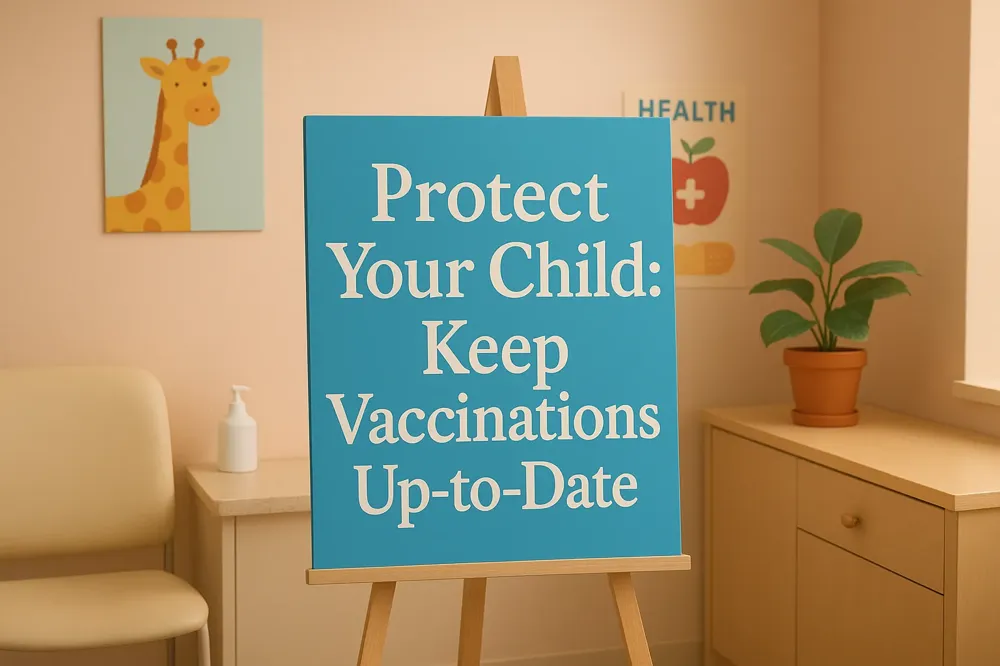
Why is it important to keep immunizations up-to-date?
Keeping children's vaccinations for children current is crucial to protect them from serious contagious illnesses such as measles, chickenpox, and polio. Vaccinations help the immune system recognize and fight specific germs , preparing the body to respond effectively if exposed. This immune training reduces the risk of severe infections and complications.
How do vaccines act as immune training tools?
Vaccines expose the immune system to a safe form of the germ or a component of it, prompting the body to develop memory cells. These memory cells remember the germ and can activate a swift immune response upon future exposure. This adaptive immunity is vital since children's immune systems are still developing and need such training for long-lasting protection.
What role does the flu vaccine and other seasonal immunizations play?
Annual flu shots are recommended for children to prevent severe influenza and reduce complications. Seasonal vaccines boost immunity during high-risk periods like winter, protecting children from common viruses and facilitating milder illness if infection occurs. Other vaccines, such as those for COVID-19, are part of routine immunization schedules to prevent emerging infections.
How do routine pediatric visits support immune health?
Regular pediatric checkups help monitor a child's growth, development, and immune health. Physical exams and wellness visits enable early detection of potential health issues and allow healthcare providers to update vaccinations on schedule. These visits are essential for personalized guidance on nutrition, hygiene practices, and preventive care to support immunity.
How can infections be prevented besides vaccinations?
Good hygiene practices—like frequent handwashing with soap and water for at least 20 seconds —are highly effective in reducing exposure to viruses and bacteria. Teaching children to cover coughs and sneezes, avoid touching their faces, and keep surfaces clean complements vaccination efforts by minimizing germ transmission in schools and daycares.
Together, vaccinations and preventative care form the foundation of a strong immune system in children, helping them stay healthy and successfully fight infections throughout childhood and beyond.
Conclusion: Supporting Lifelong Immune Wellness in Children
Building a strong immune system in children requires a balanced approach. Parents should focus on providing nutritious meals rich in fruits, vegetables, and lean proteins while promoting regular physical activity and adequate sleep. Staying current with vaccinations is essential to shield children from serious illnesses.
Good hygiene practices and routine medical checkups ensure early detection and management of potential health issues. Collaborating closely with pediatricians allows parents to receive personalized guidance tailored to their child's unique health needs. Together, these steps foster lifelong immune wellness and overall well-being for kids.