Introduction to Bike Safety for Children
Importance of Bicycle Safety for Children
Bicycle riding is a fun and healthy activity for children, promoting physical fitness and outdoor play. However, it also carries risks—especially head injuries, which are the leading cause of serious disability and death in bike crashes among kids. Wearing a helmet consistently is the most effective way to prevent these injuries, reducing the risk by up to 85%. Proper fitting helmets and safe riding habits are essential.
Overview of Common Bike-Related Injuries and Risks
Kids often face injuries from routine bike rides near home, not just in high-risk situations. Besides head injuries, common risks include falls causing broken bones, bruises, and facial injuries. Poor visibility, failure to obey traffic rules, and riding in unsafe areas contribute significantly to risk. Children under age 10 are especially vulnerable as they struggle to judge vehicle speeds and distances.
Role of Parents and Caregivers in Promoting Safe Biking Habits
Parents and caregivers play a critical role in modeling safety behavior such as always wearing helmets and following traffic rules. Supervising young riders and gradually teaching them how to ride responsibly on sidewalks, bike paths, and eventually roads helps build confidence and safety awareness. Encouraging bright clothing, reflective gear, and teaching hand signals can also protect children from accidents and keep them visible to motorists.
The Vital Role of Helmets in Child Bicycle Safety
Why is wearing a helmet considered the most important rule of bicycle safety?
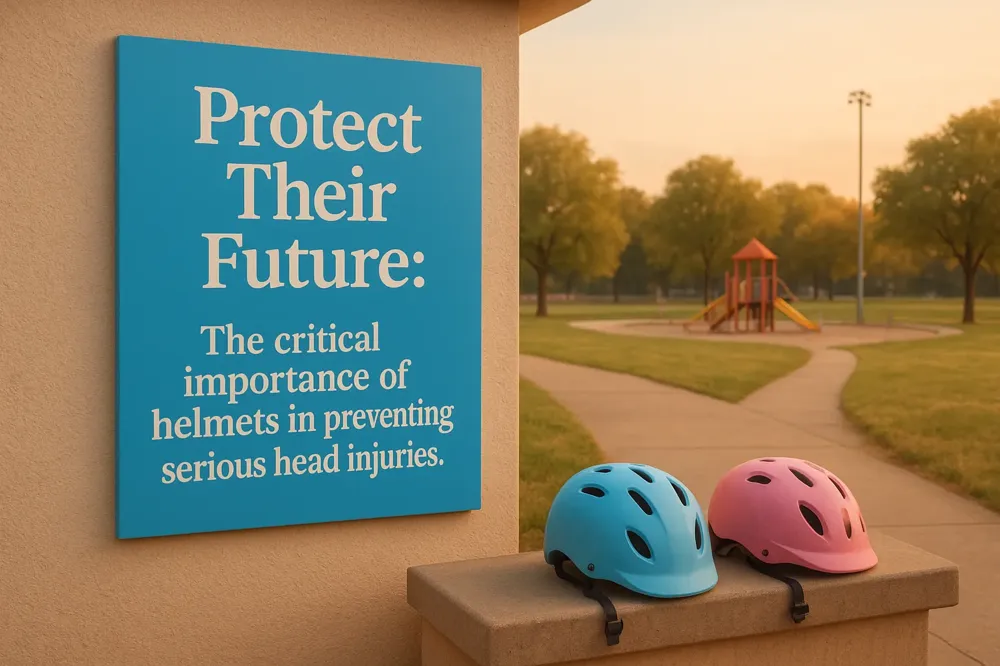
Wearing a helmet is the most effective way to protect children from head injuries in bicycle crashes. Helmets dramatically reduce the risk of brain damage and can save lives by cushioning impacts during falls or collisions. This protection is crucial as head injuries remain the leading cause of serious disability and death in child bicyclists.
What is the 2-2-2 rule for properly fitting a bike helmet?
The 2-2-2 rule is a simple method to ensure a child's helmet fits securely and comfortably:
- The front of the helmet should sit about 2 finger-widths above the eyebrows.
- The helmet straps under the ears should form a snug 'V' shape around the earlobes.
- There should be 2 fingers’ space under the chin strap when fastened. Once strapped, shaking the head gently should not cause the helmet to move excessively, ensuring good protection. See Helmet Fitting Guide for more details.
What are some tips for selecting the right bike helmet for young children?
Choosing the right helmet means prioritizing fit, comfort, and safety features:
- Select helmets specifically designed for children with adjustable sizing to accommodate growing heads.
- The helmet should sit level, not tilted forward or backward, and be snug without causing discomfort.
- Lightweight and durable helmets prevent neck strain while offering protection.
- Look for advanced safety features like MIPS for enhanced defense against rotational injuries.
- Confirm the helmet meets the U.S. Consumer Product Safety Commission (CPSC helmet stickers) standards.
- Replace helmets after any major impact or if they show signs of wear.
Should children wear helmets for other wheeled activities beyond biking?
Yes, children should always wear helmets during all wheeled sports such as skateboarding, roller skating, and scootering. Different activities might require specific helmet designs to provide the right protection tailored to the risks involved, as explained in helmet safety for kids.
When should helmets be replaced?
Helmets are designed to absorb impact once. After a significant fall or collision, helmets must be replaced even if no visible damage is present. Regular checks for cracks or damage and replacing helmets every few years help maintain optimal safety. For more information, see bike helmet safety.
Teaching Road Safety and Riding Skills to Children
What are the essential bicycle safety rules every cyclist should know?
Always wearing a helmet is crucial to protect your head in case of an accident. Children and parents should wear helmets that fit properly and meet helmet safety standards. Staying visible is key—wear bright clothing and use bike lights or reflectors, especially in low-light conditions. Cyclists must follow all traffic laws just like cars, including stopping at red lights and stop signs. Be predictable by riding in straight lines and using hand signals for turns and stops to clearly communicate intentions. Use designated bike lanes or share roads responsibly, and watch out for hazards like opening car doors or pedestrians.
What are key rules cyclists should follow to ensure safety on the road?
Cyclists need to ride in the same direction as traffic and stay in bike lanes whenever possible to stay safe. Following traffic signals and signage is mandatory to avoid accidents. Hand signals are essential; a straight arm signals a left turn, bent arm down means stop, and bent arm up indicates a right turn. Staying alert and avoiding distractions such as phone use or headphones helps prevent crashes. Encouraging these behaviors builds safe habits that children should carry with them as they grow.
How can parents keep kids safe while riding bikes?
Parents play a central role in bike safety for kids. Children under 10 should ride on sidewalks or bike paths where traffic is less complex, as younger kids have a hard time judging vehicle speed or distance. All kids must wear properly fitting helmets that cover the forehead and fit snugly with straps securely fastened. Parents should guide children to ride on the right-hand side of the street, use hand signals, and obey all traffic rules.
Teaching children to check the ABCs of their bike before each ride—Air pressure, Brakes, Chains, and Spin (smooth turning of wheels)—is vital for safe riding. Ensuring the bike fits properly, so children can touch the ground when seated, increases control. Bright clothing and reflective gear improve visibility, and teaching kids to make eye contact with drivers helps increase awareness. Parents should discourage distractions like phone use or headphones during rides, reinforcing focus and safety.
| Topic | Recommendations | Details |
|---|---|---|
| Helmet Use | Always wear properly fitting helmets | CPSC-certified, straps snug, level fit |
| Riding Location | Under 10 ride on sidewalks, others on the road | Use bike lanes, ride with traffic |
| Pre-ride Bike Checks (ABCs) | Check Air, Brakes, Chains, Spin | Maintain tire pressure, brakes, chain (Bike maintenance tips |
| Hand Signals | Teach left, right, and stop signals | Extending arm left, bent elbow down stop, right turn signals (Hand signals for bike riders |
| Visibility | Wear bright clothes, use lights and reflectors | Crucial at dawn, dusk, or night (Using Lights and Reflectors) |
| Parent Supervision | Supervise young children until skilled and alert | Model behavior, enforce rules (Supervision for Young Riders |
Age-Appropriate Riding: When and How Children Should Ride Independently
At what age can a child safely start riding a bike without training wheels?
Most children are typically ready to start riding a bike without training wheels between the ages of 4 and 8, with many children able to do so around age 5. This age range corresponds with improved coordination, balance, and motor skills vital for independent riding. By age 5, children also show cognitive markers such as enhanced attention and communication abilities, supporting their readiness to learn to ride. However, readiness varies individually; parents should observe their child's physical confidence and balance. A child enthusiastic about biking, able to maintain balance and pedal steadily, is generally prepared to ride safely without training wheels. For more Bike safety tips and guidance on Teaching children bike safety, refer to trusted resources.
What is the recommended age to place a child in a bike seat?
The American Academy of Pediatrics advises that children should be at least 12 months old before riding in a bike seat. This recommendation is due to the development of neck muscles strong enough to safely support the child's head and weight. Proper fitting and secure harnessing in an age-appropriate bike seat are critical for safety. Children must always wear a snug, CPSC Certified Helmet while riding in a bike seat to protect against potential head injuries. Close adult supervision is essential during these rides to ensure safety.
How should younger children be supervised and where should they ride?
Children under age 10 should be supervised closely and primarily ride in safe areas such as sidewalks, bike paths, or parks. At this stage, most children have difficulty judging vehicle speed and distance, so these low-traffic environments help prevent accidents. Gradual exposure to more complex riding scenarios should be taken only when children demonstrate responsible behavior and good riding skills. For detailed bike safety tips for kids, including supervision advice, see trusted safety guides.
Guidelines for gradually introducing street riding
Once children turn 10 or show developed judgment and coordination, they can begin riding on streets under supervision. Important practices include riding on the right side of the road with traffic, obeying traffic signals, using hand signals, and making eye contact with drivers. Teaching these rules step-by-step builds the child's confidence and safety awareness. Additional information on Rules of the road for child cyclists and Using hand signals on bikes can be very helpful.
| Aspect | Recommendation | Key Details |
|---|---|---|
| Age to ride without training wheels | 4 to 8 years, often around age 5 | Watch for balance and enthusiasm (Bike Safety Tips |
| Minimum age for bike seats | At least 12 months | Ensure neck strength and secure harness (Helmet safety standards |
| Supervision and riding areas for younger children | Under 10 years old | Sidewalks, bike paths, parks (Bike safety tips for kids |
| Gradual introduction to street riding | Around 10 years old or readiness | Follow traffic rules and model safe behavior (Safe biking guidelines) |
Visibility, Equipment, and Environmental Safety Measures
Why is wearing bright and reflective clothing important?
Bright and reflective clothing makes children more visible to drivers, especially in low light conditions such as dawn, dusk, or overcast days. Wearing such clothing reduces the risk of accidents by helping motorists see young bikers from a distance. For more details, see Bike safety tips and Wearing bright clothing for bike safety.
How do lights and bike reflectors enhance safety?
Using white front lights and red rear lights, along with reflectors on the bike, are critical during evening or dimly lit rides. The U.S. law requires headlights visible from at least 500 feet and rear lights or reflectors visible from 600 feet. This lighting increases visibility for motorists and reduces the risk of crashes. Learn more about Using lights and reflective clothing for visibility and Visibility with Bicycle Equipment.
What bike maintenance should be done regularly?
Before riding, check the following:
- Brakes: Ensure they function smoothly and stop the bike effectively.
- Tires: Properly inflated tires improve control and prevent accidents.
- Chains: Should be clean and lubricated, avoiding loose or stuck components. Regular maintenance helps keep the bike in safe, efficient working order. For comprehensive guidance, see Bike maintenance tips and Bike safety checks.
Why should certain footwear and clothing be avoided?
Children should wear closed-toe shoes like sneakers for proper foot protection and good pedal grip. Sandals, flip-flops, shoes with heels, and barefoot riding are unsafe. Loose clothing, such as long pant legs or backpack straps, can get caught in the chains or wheels, leading to accidents. Refer to Proper bike footwear and Wearing bright or reflective clothing for more information.
When is it safest for children to ride, and what distractions should they avoid?
Children should ride during daylight hours or in well-lit areas. Night riding should be avoided unless bikes have proper lighting and reflectors, and children wear reflective gear. Distractions like music devices, cell phones, or headphones must be avoided to maintain alertness to traffic and environmental hazards. Additional advice is available at Bike safety tips for kids and Avoiding distractions while biking.
What safety practices should children follow when biking near traffic?
Children should always wear a properly fitting helmet paired with bright, reflective clothing and use lights or reflectors. They must ride on the right side of the road, follow traffic signals, and use hand signals to communicate turns or stops. Staying vigilant and avoiding distractions are essential in urban areas where most bike fatalities occur. See Children bike injuries and helmet laws and Bicycle Safety Tips.
| Safety Aspect | Recommendation | Reason |
|---|---|---|
| Clothing | Wear bright, reflective clothing | Increases visibility to motorists |
| Lighting and Reflectors | Use front and rear lights, and bike reflectors | Essential for low light safety |
| Bike Maintenance | Check brakes, tires, and chains regularly | Ensures the bike functions safely |
| Footwear and Clothing | Wear sneakers; avoid loose clothes or sandals | Prevents foot injuries and accidents |
| Riding Time and Distractions | Ride during daylight; avoid electronics while riding | Keeps child alert and visible |
| Traffic Behavior | Ride with traffic, obey signs, use hand signals | Helps avoid crashes |
Modeling and Reinforcing Safe Bicycle Practices
Why is parental modeling important in teaching children to ride safely?
Parents and caregivers play a crucial role in teaching children bike safety tips by demonstrating consistent use of helmets and strict obedience to traffic laws. When kids see adults always wearing a helmet and following road rules, such as stopping at signals and making eye contact with drivers, they are more likely to adopt these habits themselves. Parental modeling helps to build a strong foundation for safe riding behavior.
How does supervision support a child’s transition to independent riding?
Young children, especially those under age 10, are developing the ability to judge vehicle speed and distance and require close supervision of child riders during bicycling. Gradual independence should align with the child's growing skills and understanding of bicycle traffic laws. Supervised practice in safe environments, like sidewalks or bike paths, prepares children to ride responsibly with less oversight over time.
What role do community programs play in promoting bicycle safety?
Community education initiatives, such as cycling safety courses and safety activity kits, engage children in fun learning while reinforcing essential skills like proper helmet fitting and hand signaling. Programs like Safe Routes to School also promote safe biking habits, provide resources, and encourage families to create secure routes for active transportation.
How can safe biking habits developed in childhood benefit lifelong safety?
Establishing habits such as always wearing a helmet for safety, obeying traffic laws, and riding predictably helps children internalize behaviors that protect them well into adulthood. Early education paired with consistent reinforcement cultivates responsible and aware cyclists who contribute to safer roads for everyone.
What should children be encouraged to pay attention to while biking?
Kids should be taught to maintain constant awareness of their surroundings, including watching for cars, pedestrians, and road hazards. Encouraging cautiousness and attentiveness helps children anticipate risks and respond safely, especially in busy or unpredictable bicycle traffic laws environments.
Conclusion: Building a Culture of Safety for Young Cyclists
A Summary of Crucial Bike Safety Practices for Children
Children's bike safety hinges on consistent helmet use, proper bike fit, and learning to obey traffic rules. Helmets that meet safety standards and fit correctly play a vital role in reducing head injuries and fatalities.
The Role of Parental Guidance
Parents and caregivers serve as vital role models by wearing helmets themselves, supervising young riders, and teaching essential skills such as hand signals and safe riding behavior around traffic.
Community and Educational Support
Schools and community programs provide education and safe environments that help children gain confidence in biking. Promoting helmet use and organized safety activities reinforces good habits.
Encouraging Safe, Confident Young Riders
By combining family involvement, community resources, and consistent safety practices, we foster a culture that empowers children to enjoy biking while minimizing risks. Safe habits learned early lead to a lifetime of healthy and secure riding experiences.