Why Childhood Obesity Matters
About one in five U.S. children ages 2‑19 are obese, a rate that has tripled since the 1970s. Excess weight puts kids at higher risk for asthma, sleep apnea, bone and joint problems, type 2 diabetes, high blood pressure, and mental‑health issues such as depression and anxiety. These conditions can impair school performance, limit physical play, and erode self‑esteem. Moreover, childhood obesity often tracks into adulthood, increasing the odds of stroke, heart disease, certain cancers, and premature death. Early identification through routine BMI screening and prompt referral to a Family Healthy Weight Program give families evidence‑based counseling, nutrition guidance, and activity plans. Parents and clinicians should treat excess weight as a chronic health concern, not a temporary inconvenience, and seek medical support to prevent the cascade of complications that begin in childhood and persist for life.
Understanding the 6 C’s Framework
 What are the 6 C’s of childhood obesity? The 6 C’s framework helps clinicians and families see the many forces that shape a child’s weight. Cell refers to a child’s genetic and biological makeup, which can influence metabolism and fat storage. Child focuses on personal behaviors—diet, physical activity, sleep, and screen time. Clan captures the family environment, from parenting styles to the foods stocked at home. Community includes schools, peers, and neighborhoods that provide safe play and access to nutritious foods. Country represents state‑ and national‑level policies, health‑care systems, and programs that support or hinder obesity prevention. Finally, Culture reflects broader societal values, media messages, and traditions that shape attitudes toward body size and eating habits.
What is childhood obesity? Childhood obesity is a chronic condition in which a child’s body‑mass‑index (BMI) is at or above the 95th percentile for age and sex, indicating excess body fat that can impair growth, development, and overall health. In the United States, roughly 1 in 5 children and adolescents (about 14.7 million) are affected, with higher prevalence among Hispanic, non‑Hispanic Black, and lower‑income families. Excess weight raises the risk of asthma, sleep apnea, type 2 diabetes, high blood pressure, mental‑health concerns, and future adult disease. Early BMI screening and referral to a Family Healthy Weight Program are crucial for timely intervention.
10 causes for childhood obesity 1. High‑calorie, low‑nutrient foods and sugary drinks. 2. Excessive screen time and sedentary behavior. 3. Inadequate daily physical activity (less than the CDC‑recommended 60 minutes of moderate‑to‑vigorous activity). 4. Insufficient sleep (preschoolers need 10–13 hours, school‑age children 9–12 hours, teens 8–10 hours). 5. Limited access to safe play spaces and affordable fresh foods. 6. Genetic predisposition and hormonal influences. 7. Family eating patterns that model poor nutrition. 8. Aggressive marketing of junk food to children. 9. Stress, emotional eating, and mental‑health challenges. 10. Socio‑economic constraints that restrict healthy choices.
Addressing these interconnected factors requires a coordinated, family‑centered approach and prompt medical evaluation when weight concerns arise.
School‑Based Strategies that Work
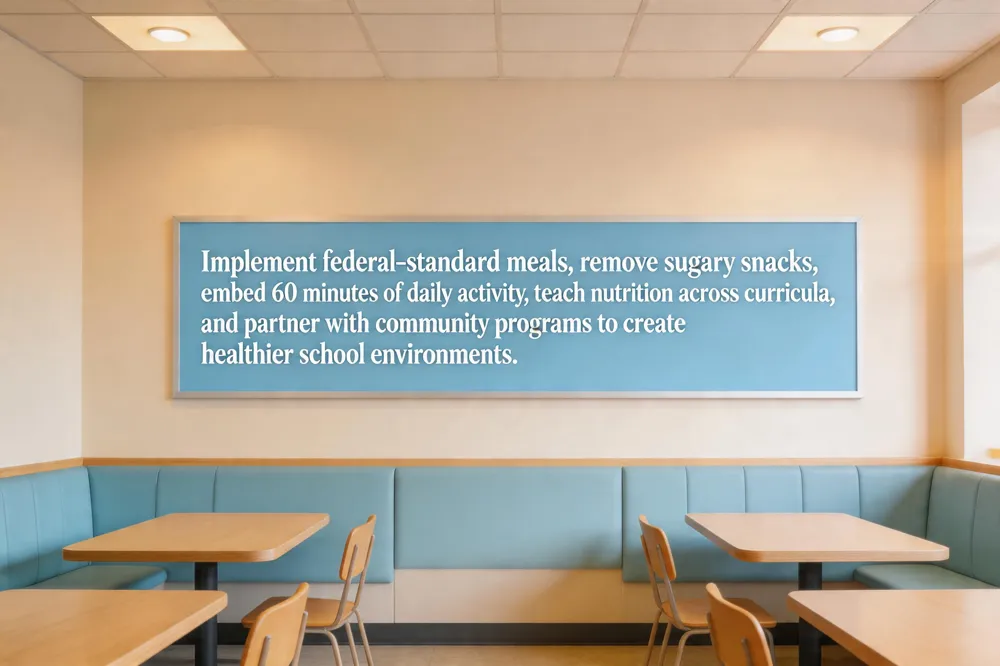 School meals that meet federal nutrition standards—such as the Healthy Hunger‑Free Kids Act’s “Smart Snacks” guidelines—are a cornerstone of obesity prevention. Removing sugary drinks and high‑fat snacks from vending machines and a‑la‑carte lines, while offering fruits, vegetables, whole‑grain options, low‑fat dairy, and lean proteins, helps children consume fewer added sugars and excess calories.
Daily physical‑activity requirements are equally critical. The CDC recommends at least 60 minutes of moderate‑to‑vigorous activity each day for students aged 6–17. Schools can embed short activity breaks into classroom time, provide quality PE curricula, and encourage active transportation—walking or biking to school—through safe routes and bike‑share programs.
Education, policy, and community partnerships reinforce these habits. Integrating nutrition education into core subjects, training school nurses and counselors to model healthy choices, and adopting policies that expand universal free or reduced‑price meals increase access for low‑income families. After‑school programs, local sports clubs, and partnerships with community centers create safe play spaces and extend active‑lifestyle support beyond school hours.
How to prevent childhood obesity in schools?
Schools can curb obesity by offering balanced meals that meet federal standards, eliminating sugary drinks from vending, providing daily 60‑minute activity breaks, and promoting walking or biking to school. Nutrition education, universal meal programs, and community partnerships further reinforce healthy choices.
Successful childhood obesity prevention programs
Effective models combine school‑based nutrition and activity changes with family‑focused support, such as Shape Up Somerville, the CDC’s Bright Futures Initiative, and Colorado’s School Health Index. Multi‑level, community‑driven approaches that involve parents and caregivers achieve measurable BMI reductions and healthier diet and activity patterns.
Family‑Focused Daily Habits
Balanced meals and portion control
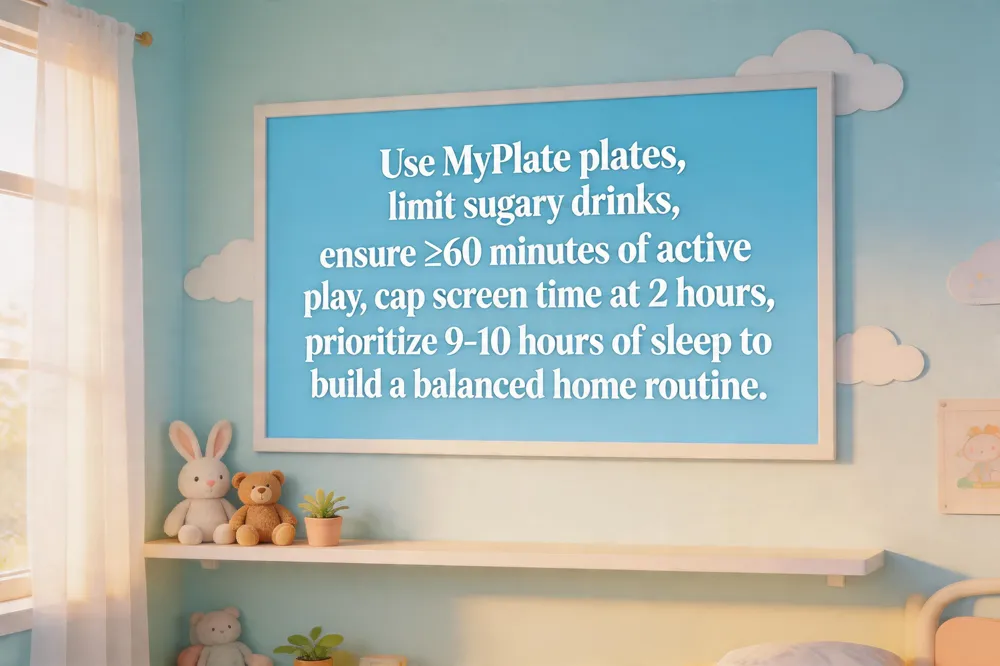
A plate built on MyPlate—half fruits and vegetables, a quarter whole grains, and a quarter lean protein with a side of low‑fat dairy—keeps calories in check while delivering essential nutrients. Serve age‑appropriate portions (a fist for carbs, a palm for protein, a thumb for fats) and replace sugary drinks with water or milk. Cooking together reinforces modeling and lets kids learn mindful eating.
Screen‑time limits and nighttime routines
The CDC links excess screen time to poorer sleep and weight gain. Keep recreational screen use under two hours per day, remove devices from bedrooms, and turn them off at least an hour before bedtime. A consistent bedtime routine—brush, book, lights out—helps children (pres‑12 hours for younger kids, 8‑10 hours for teens) achieve restorative sleep, which regulates hunger hormones.
Regular physical activity and active play
Aim for at least 60 minutes of moderate‑to‑vigorous physical activity daily—biking, walking, sports, or energetic games. Family walks or backyard sports turn exercise into bonding time and reduce sedentary behavior.
10 ways to control obesity Eat balanced MyPlate meals, limit sugary beverages, get 60 minutes of daily activity, cut screen time, prioritize 9‑10 hours of sleep, practice mindful eating, control portions, choose water, cook together, track weight/BMI, and seek guidance from a health‑care provider or Family Healthy Weight Program.
5 ways to prevent obesity
- Fill meals with fruits, vegetables, whole grains, lean protein, low‑fat dairy. 2. Drink water or unsweetened milk instead of sugary drinks. 3. Get ≥60 minutes of vigorous play each day. 4. Limit screen time to ≤2 hours, favor active family outings. 5. Ensure adequate, quality sleep (9‑12 hrs for kids, 8‑10 hrs for teens).
5 strategies to reduce childhood obesity
- Cut sugary drinks and ultra‑processed snacks. 2. Ensure ≥60 minutes of daily vigorous activity. 3. Provide balanced, portion‑controlled meals. 4. Establish regular family meals and snack routines. 5. Prioritize sufficient sleep and stress‑management, and consult a pediatrician for early BMI screening and personalized counseling.
Supporting a Child's Weight Journey Sensitively
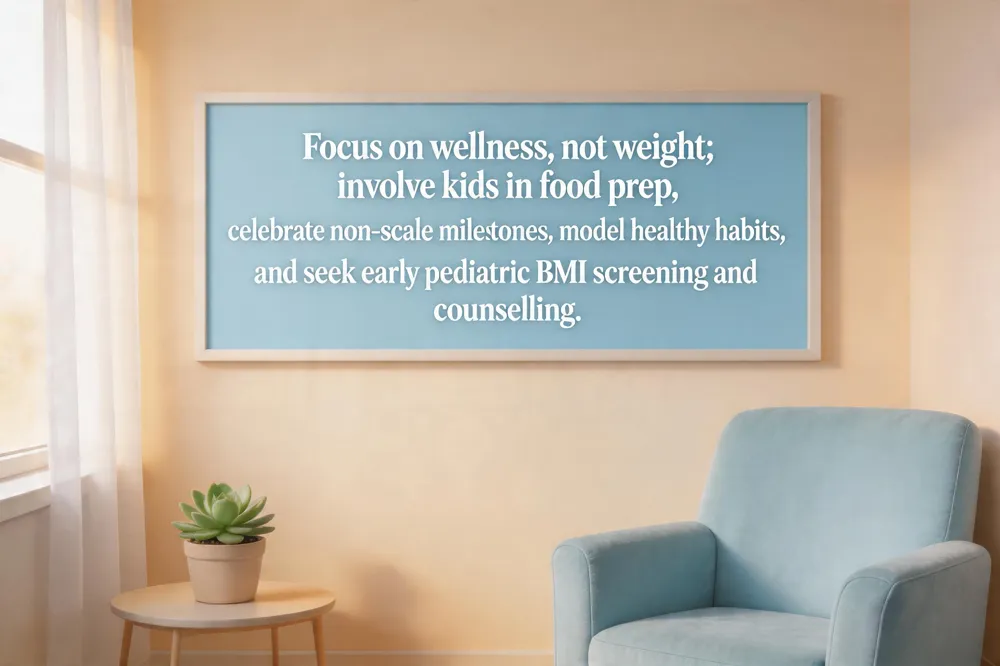 Family involvement and positive language are the cornerstones of a gentle approach to childhood weight management. Talk about wellness instead of weight, framing meals and activities as fun family habits that boost energy and confidence. Let kids pick and help prepare nutritious foods, use smaller plates, and swap sugary drinks for water or low‑fat milk so changes feel like a team effort. Encourage daily movement they enjoy—playground games, bike rides, dancing—rather than labeling it “exercise,” and celebrate milestones such as longer playtime or tasting a new vegetable. Use positive reinforcement like stickers or high‑fives for meeting simple goals, and keep the focus on non‑scale achievements such as feeling stronger or sleeping better.
Modeling behavior is essential; parents should eat balanced meals, stay active, and set realistic expectations. Professional guidance should be sought early: pediatricians can screen BMI trends, offer counseling, and refer families to a Family Healthy Weight Program for evidence‑based support without stigma.
Possible solutions span home, school, and community: implement school nutrition standards, limit junk‑food ads, subsidize affordable fruits and vegetables, create safe walking and biking routes, and provide recreation programs. Parents can model healthy eating, replace sugary drinks with water, and involve the whole family in regular exercise and shared meals. Policies that restrict excessive screen time and promote active play at home and school further reinforce lifelong healthy habits.
Resources and Guidance from Health Experts
 CDC childhood obesity prevention
The CDC promotes evidence‑based strategies that combine school wellness policies, nutrition standards for meals, and daily physical‑activity opportunities. Families are urged to model healthy eating, limit sugary drinks, and increase movement. Routine BMI screening and counseling are encouraged in pediatric settings, while community campaigns and partnerships (e.g., WIC) improve access to nutritious foods and safe play spaces. This comprehensive, compassionate approach integrates nutrition, activity, and education across homes, schools, and health‑care providers to curb obesity rates.
CDC childhood obesity prevention
The CDC promotes evidence‑based strategies that combine school wellness policies, nutrition standards for meals, and daily physical‑activity opportunities. Families are urged to model healthy eating, limit sugary drinks, and increase movement. Routine BMI screening and counseling are encouraged in pediatric settings, while community campaigns and partnerships (e.g., WIC) improve access to nutritious foods and safe play spaces. This comprehensive, compassionate approach integrates nutrition, activity, and education across homes, schools, and health‑care providers to curb obesity rates.
Childhood obesity handouts for parents Parents can download the CDC’s "Family Health Handout" series for simple nutrition tips, activity ideas, and growth‑chart guidance. The American Academy of Pediatrics offers free "Healthy Weight" brochures on HealthyChildren.org, plus printable posters such as Quick Bites and Finger Foods. State health departments provide fact sheets with local resources, and the AAP’s Healthy Growth app gives personalized diet and exercise strategies for kids up to age 5. These plain‑language materials are ideal for well‑child visits.
Endocrine Society pediatric obesity guidelines The 2017 guideline defines overweight (BMI ≥ 85th percentile) and obesity (BMI ≥ 95th percentile) in children ≥ 2 years. It recommends annual BMI plotting, metabolic and psychological screening for those ≥85th percentile, and family‑centered lifestyle interventions as first‑line treatment. Pharmacologic therapy or bariatric surgery is reserved for severely obese adolescents unresponsive to intensive lifestyle programs, with genetic testing considered for early‑onset cases.
What are ways to prevent childhood obesity? Prevention starts at home: cook balanced meals together, limit processed snacks, and encourage active play (bike rides, sports). Consistent bedtime routines ensure adequate sleep, which supports healthy weight. Parents should model healthy habits for the whole family rather than singling out overweight children. Schools reinforce these habits through nutritious cafeteria options and daily activity periods. When concerns arise, families should consult their pediatric provider for personalized guidance and early intervention.
Putting It All Together
Recap of the nine practical strategies: 1) Ensure at least 60 minutes of moderate‑to‑vigorous activity daily; 2) Replace sugary drinks with water or low‑fat milk; 3) Serve meals with fruits, vegetables, whole grains, lean proteins and low‑fat dairy; 4) Limit screen time to 1‑2 hours and keep devices out of bedrooms; 5) Prioritize sleep—9‑12 hours for kids, 8‑10 hours for teens; 6) Model healthy habits through family meals and play; 7) Involve kids in grocery shopping and cooking; 8) Use visual portion cues and practice mindful eating; 9) Connect families to community resources and early‑care programs.
Call to action: families, schools and clinicians should adopt these habits, educate children about health. Schedule a visit at Kids & Teens Healthcare to start a prevention plan.