Why Winter Health Matters
Winter brings people inside, where close contact and heated, dry air create perfect conditions for viruses. The cold season fuels higher circulation of influenza, RSV, COVID‑19 and the common cold, especially as indoor humidity drops and nasal passages lose moisture. Infants, young children and teenagers are especially vulnerable: infants cannot be vaccinated against flu and rely on herd immunity, while kids and teens have developing immune systems and often spend hours in crowded schools. Prompt medical attention for fever, breathing trouble or persistent symptoms can prevent complications. Early check‑ups and vaccination updates help families stay ahead of the season.
Vaccination and Immune‑Boosting Strategies
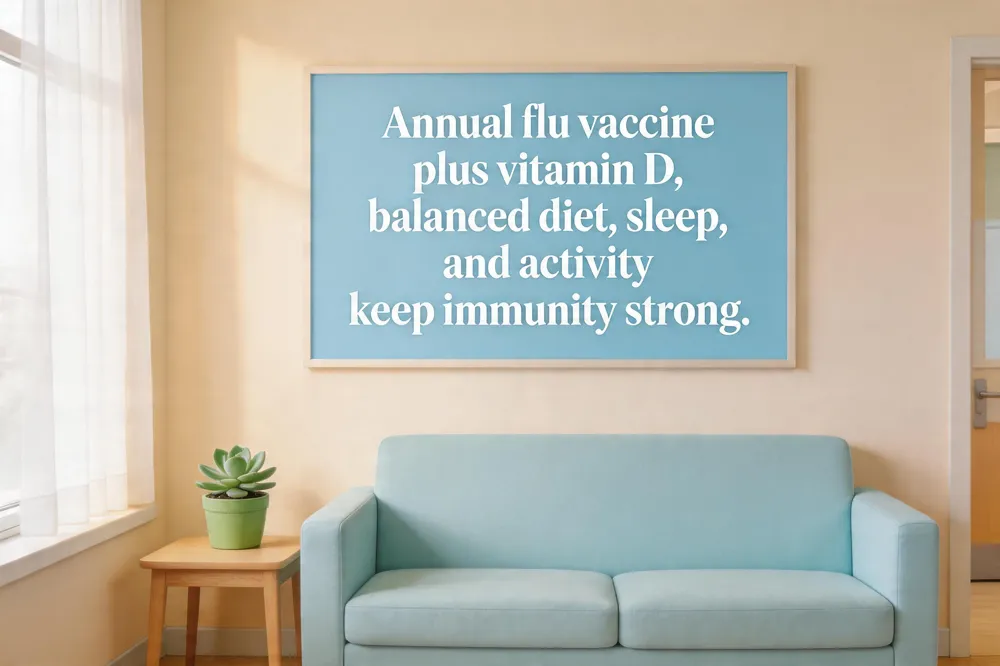 A strong immune system further reduces risk. In low‑sunlight months, vitamin D supplementation (600‑800 IU daily) supports immune function, while a diet rich in fruits, vegetables, lean protein, and adequate hydration supplies essential antioxidants and minerals. Consistent sleep (9‑14 hours for children, 7‑9 for teens), regular physical activity, and stress‑reduction techniques keep immune cells primed.
Q: What can I give my kids to prevent them from getting the flu?
A: The reliable flu is to give the annual flu vaccine once they’re six months old and keep the household vaccinated. Pair this with thorough hand‑washing, proper respiratory etiquette, sufficient sleep, a balanced diet, and staying home when sick.
Q: How to prevent the flu naturally?
A: Practice diligent hand‑washing, avoid face‑touching, disinfect high‑touch surfaces, eat a nutrient‑dense diet, stay hydrated, get 9‑11 hours of sleep, exercise regularly, and limit exposure to sick individuals.
Q: What are the four main viruses circulating this winter?
A: COVID‑19, influenza (flu), respiratory syncytial virus (RSV), and adenovirus constitute the “quad‑demic” that drives most winter respiratory illnesses.
Hand Hygiene and Surface Cleanliness
 Keeping kids healthy during cold and flu season starts with solid hand‑hygiene habits. Wash hands with soap and warm water for at least 20 seconds—sing the "Happy Birthday" song twice—to remove viruses before meals, after bathroom use, and after returning home. When soap isn’t handy, an alcohol‑based sanitizer with ≥60 % alcohol works as a backup, but a proper hand wash should follow as soon as possible. Disinfect high‑touch surfaces such as doorknobs, toys, keyboards, and light switches with EPA‑registered wipes, because flu viruses can survive up to 48 hours on hard surfaces. Teach children to keep unclean hands away from their eyes, nose, and mouth, as these are entry points for germs.
How to keep kids healthy during cold and flu season? Ensure 9‑14 hours of nightly sleep, a balanced diet rich in fruits, vegetables, and protein, and adequate hydration. Keep all vaccinations up‑to‑date, especially the annual flu shot for children 6 months and older. Reinforce hand‑washing, use sanitizer when needed, and regularly clean shared surfaces. Limit crowded indoor gatherings and keep sick children home until fever‑free for 24 hours. Seek pediatric care promptly if symptoms worsen or if a child has chronic conditions.
How to prevent colds during winter? Wash hands frequently, avoid touching the face, maintain distance from coughing individuals, and stay home when ill. Clean high‑touch objects, ventilate indoor spaces, and keep the air humidified. Support immunity with sleep, activity, a fruit‑vegetable‑rich diet, and hydration.
What kills the cold virus fast? No drug instantly destroys the virus; the immune system clears it in about a week. Boost recovery with fluids, rest, vitamin C‑rich foods, and zinc‑containing snacks. Use acetaminophen or ibuprofen for fever and pain, and consider saline rinses or a humidifier to ease congestion. If symptoms persist beyond 10 days, worsen, or are accompanied by high fever or breathing difficulty, contact a pediatrician promptly.
Nutrition, Sleep, and Physical Activity
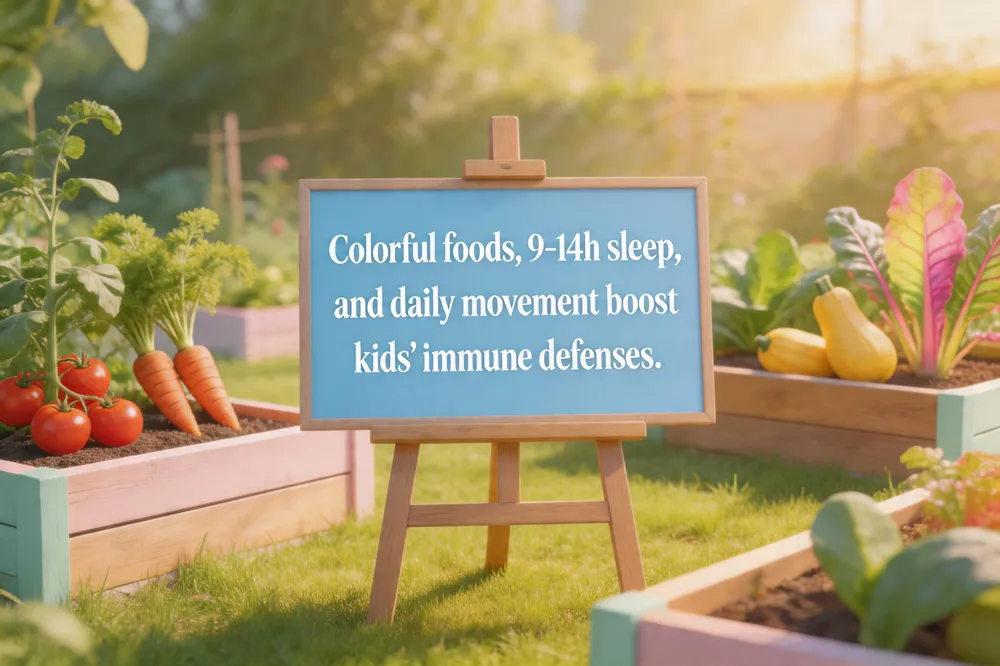 Keeping a child’s immune system strong in winter hinges on three pillars: what they eat, how much they sleep, and how often they move.
Fruits, vegetables, whole grains, and lean protein – Fill the plate with colorful produce such as citrus, berries, leafy greens, and bell peppers, which supply vitamin C and beta‑carotene to battle oxidative stress. Whole‑grain breads, brown rice, and oats give steady energy, while lean proteins—chicken, fish, beans, and low‑fat dairy—provide the amino acids needed for antibodies.
Key nutrients – Vitamin D (from fortified milk, eggs, or a supplement in low‑sunlight months) and zinc (found in nuts, seeds, and lean meats) are especially important for immune signaling. Probiotic‑rich foods like yogurt or kefir nurture a healthy gut microbiome, a critical gateway to immunity.
Adequate sleep by age – Toddlers need 11‑14 hours, school‑age children 9‑12 hours, and teens 8‑10 hours each night. Consistent, restful sleep allows cytokines and other immune‑boosting proteins to work overnight.
Daily moderate exercise and stress‑reduction – Aim for at least 30 minutes of activity—indoor games, family dance parties, or short walks—to improve circulation, lower cortisol, and keep immune cells mobile. Teach simple stress‑relief tools such as deep‑breathing or a calming bedtime story.
Quick boost tips – When a child feels under the weather, prioritize sleep, hydrate with water or warm herbal tea, and offer a probiotic snack. Avoid sugary drinks, second‑hand smoke, and keep hand‑washing frequent.
When to seek medical care – If fever exceeds 100.4 °F for more than 24 hours, breathing becomes labored, or the child shows signs of dehydration, contact a pediatrician promptly. Early evaluation can prevent complications, especially for children with asthma, diabetes, or other chronic conditions.
Managing Symptoms and Knowing When to Seek Care
 Rest, fluids, and a humid environment are the foundation of flu recovery. Teens and kids should stay in bed, drink water, broth, or electrolyte‑rich drinks, and use a cool‑mist humidifier or saline nasal spray to loosen congestion.
Fever, aches, and sore throat can be eased with age‑appropriate acetaminophen or ibuprofen (dosage based on weight; never give aspirin to children). Antiviral medication such as oseltamivir is most effective when started within 48 hours of symptom onset, shortening illness by a day or two.
Red‑flag signs—high fever lasting >4 days, difficulty breathing, persistent vomiting, dehydration, or worsening symptoms—require prompt pediatric evaluation.
How to get rid of the flu fast for teenagers? Prioritize rest, hydration, nutrient‑rich soups, and OTC fever reducers; a doctor may prescribe oseltamivir if started early. Use a humidifier and saline spray for congestion, stay home until fever‑free for 24 hours without medication, and practice hand hygiene.
How to treat winter viruses? Rest, fluids, humidifier or steam, saline spray, and age‑appropriate acetaminophen/ibuprofen are key. Avoid antibiotics unless a bacterial infection is confirmed; seek care if symptoms exceed 10 days or fever persists beyond 4 days.
How long does flu A last in teenagers? Symptoms often improve in 3‑5 days, with cough and fatigue lasting up to a week or more; most teens feel normal by day 7‑10 and are contagious for about a week.
Is it normal for kids to be sick all winter? Winter crowds increase virus spread, so several colds per season are expected. However, frequent, severe, or prolonged illnesses merit a pediatrician’s review to rule out underlying issues.
Practical Family Strategies for a Safe Winter
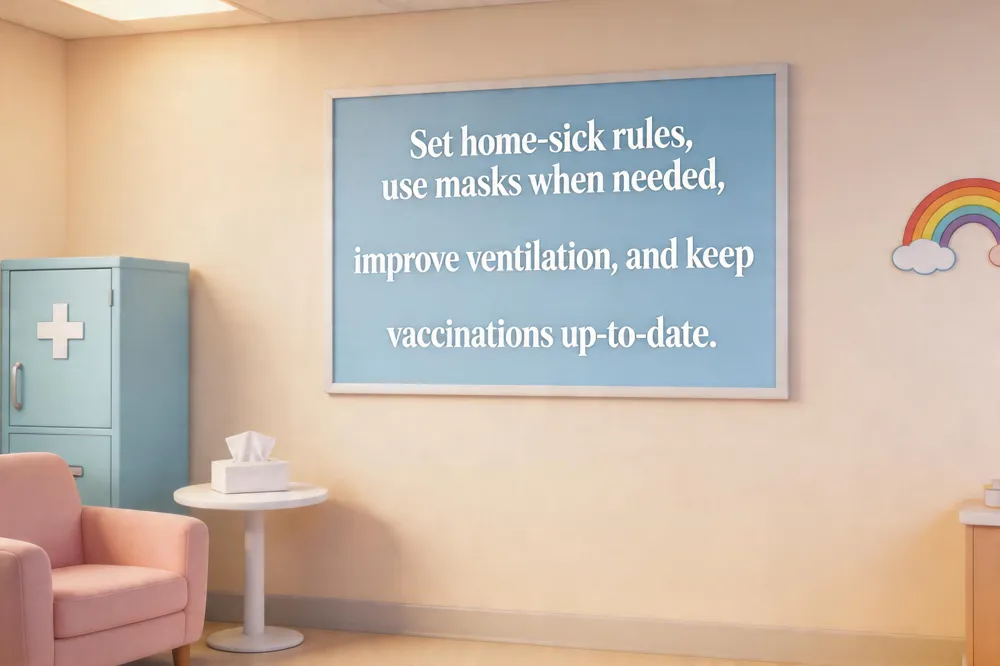 Keeping kids healthy this winter starts with clear family rules and coordinated medical care. When a child feels unwell, follow school‑policy guidelines: keep them home until they have been fever‑free for at least 24 hours without the aid of fever‑reducing medication and all other symptoms have resolved; this reduces exposure for classmates and staff. In indoor public settings, mask use—especially when community transmission of flu, RSV, or COVID‑19 is high—adds a layer of protection, and opening windows or running air‑purifiers improves ventilation, diluting airborne droplets.
Old Fourth Ward Pediatrics makes it easy to stay on top of preventive care. Their well‑child exams and same‑day sick visits are available at 1819 Peachtree Rd NE, Suite 625, Atlanta, GA 30309, enabling families to address illnesses promptly and keep children out of school only when necessary. Schedule flu shots early in the season; the practice offers flu vaccinations throughout the season and can review all other childhood vaccines during the same visit.
How to prevent colds during winter? Wash your hands often with soap for at least 20 seconds, especially after public outings or touching shared objects, and avoid touching your eyes, nose, and mouth. Keep a safe distance from anyone who is coughing or sneezing, stay home if you feel unwell, disinfect high‑touch surfaces regularly, and keep indoor spaces well‑ventilated. Warm, humidified air helps maintain nasal mucosa, while adequate sleep, regular activity, a balanced diet rich in fruits and vegetables, and proper hydration support a strong immune system.
Putting It All Together
To keep kids and teens healthy through winter, blend the five core defenses: get the annual flu shot (and COVID‑19 boosters when due), practice frequent hand‑washing and respiratory etiquette, fill half each plate with fruits and vegetables, ensure sleep (9‑14 h for younger children, 8‑10 h for teens), and move daily with at least 60 minutes of activity. Watch for fever, persistent cough, dehydration, or breathing difficulty; if symptoms linger beyond 24 hours or worsen, schedule a pediatric visit promptly. Families can count on Old Fourth Ward Pediatrics in Decatur, GA for sick visits, well‑child exams, and flu‑vaccination clinics, making timely care and accessible.