Why Fevers Matter
A fever in children is defined as a body temperature of 100.4 °F (38 °C) or higher, measured rectally, by ear, on the forehead, or orally. Normal temperature isn’t a fixed 98.6 °F; it fluctuates about a degree up or down throughout the day—lower in the morning and higher in the afternoon—and can vary by measurement site. This rise in temperature is the body’s natural immune response, signaling that the immune system is working to fight an infection. While most fevers are harmless and resolve on their own, they can signal serious illness, especially in infants under three months or when accompanied by dehydration, lethargy, or severe symptoms. Prompt medical attention helps ensure underlying problems are caught early and the child stays safe.
Infants (0‑3 Months): When a Fever Is an Emergency
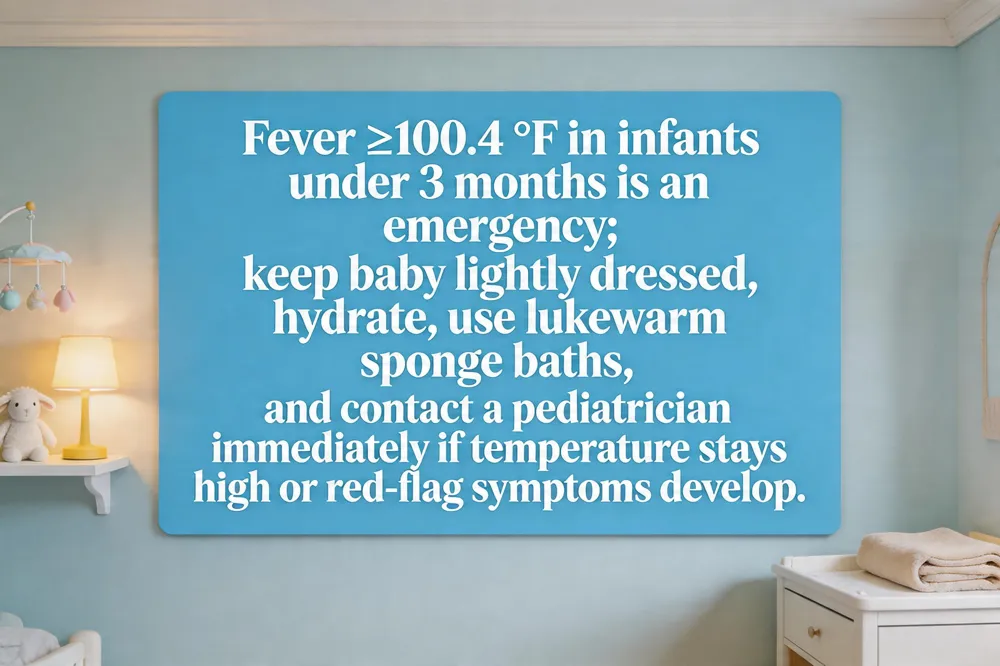 A fever in a newborn is defined as a temperature of 100.4 °F (38 °C) or higher and should be taken seriously because infants under three months are at higher risk for serious infection.
How to comfort a newborn with fever Dress the baby in a single light layer, keep the room cool (around 68‑72 °F), and offer frequent small sips of breast‑milk, formula, or water if the infant is old enough. A gentle lukewarm sponge bath or a cool, damp cloth on the forehead can help draw down heat, but stop immediately if the baby begins to shiver.
First‑aid steps for high fever Confirm the reading with a reliable digital thermometer. Remove excess blankets, improve ventilation, and continue fluid offers. If the temperature stays above 100.4 °F or the infant shows signs of irritability, poor feeding, or dehydration, contact a pediatrician right away.
Medication guidelines for infants Acetaminophen may be used in infants ≥ 2 months when weight‑based dosing is followed; ibuprofen is only safe for children ≥ 6 months. Never give aspirin.
Common fever‑reducing medicines Acetaminophen (Tylenol) and ibuprofen (Motrin) are the primary OTC options. Dose according to the child’s weight and the product label, and avoid giving both at the same time.
Quick answers to parent questions To reduce a baby’s fever naturally, keep them lightly dressed, offer fluids, and use lukewarm sponge baths or cool cloths. First‑aid for a high‑fever child includes confirming the temperature, cooling the environment, hydrating, and giving the appropriate antipyretic dose. The most common fever medicines are acetaminophen and ibuprofen; aspirin is contraindicated.
If any red‑flag symptoms appear—persistent vomiting, seizure, stiff neck, or a fever above 104 °F—seek immediate medical care.
Toddlers (1‑2 Years): Managing Low‑to‑Moderate Fevers
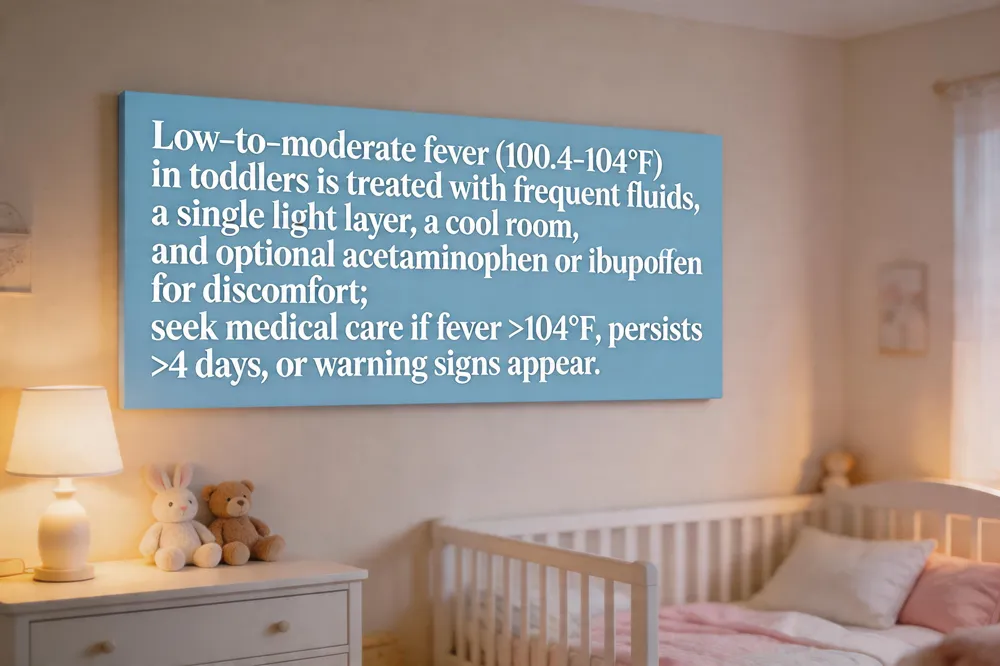 Fever in a toddler (100.4 °F/38 °C or higher) is usually the body’s normal response to a viral infection and not dangerous by itself. The most important first steps are hydration and comfort. Offer frequent sips of water, breast‑milk, diluted juice, or popsicles and keep the child lightly dressed in a single breathable layer; a cool‑room temperature (around 68‑72 °F) helps excess heat escape.
When to use medication – Antipyretics are optional and should be given only if the toddler is uncomfortable, irritable, or refusing fluids. Acetaminophen (10‑15 mg/kg every 4‑6 hours) is safe for all ages; ibuprofen (5‑10 mg/kg every 6‑8 hours) can be used after 6 months if the child is not dehydrated. Never give aspirin. Alternate acetaminophen and ibuprofen only if directed by a pediatrician, and never give both at the same time.
Night‑time fever strategies – Let the child sleep; do not wake solely for medication. Keep the bedroom mildly cool, use a light blanket if shivering occurs, and consider a brief lukewarm (85‑90 °F) sponge bath or a cool, damp cloth on the forehead for comfort. Hydration at night can be maintained with small sips of water or an oral rehydration solution.
When a fever requires medical attention – Call the pediatrician promptly if the toddler is younger than 3 months with any fever, if the fever persists than four days, rises above 104 °F (40 °C), or if the child shows warning signs such as dehydration (no tears, dry mouth, sunken eyes), persistent vomiting, rash, stiff neck, severe headache, or lethargy.
Quick answers to common concerns
- Reduce fever in a 1‑year‑old naturally: Hydrate, light clothing, cool room, lukewarm sponge bath, rest; seek care if fever > 104 °F or lasts > 24 hours.
- Reduce a 102 °F fever: Offer fluids, light clothing, acetaminophen or ibuprofen if uncomfortable, lukewarm bath; call pediatrician if fever > 103 °F or lasts > 24 hours.
- Bring down fever without medicine: Hydration, light dress, lukewarm sponge bath, rest; monitor and seek care if fever stays high or child shows concerning signs.
- Night‑time natural reduction: Fluids, cool environment, light clothing, lukewarm foot soak or forehead cloth, calm dark room.
- When to give medicine: Only for discomfort, not solely based on temperature; follow weight‑based dosing, avoid aspirin, and contact pediatrician for fevers > 104 °F or persistent symptoms.
Preschoolers (3‑5 Years): High Fevers and Home Remedies
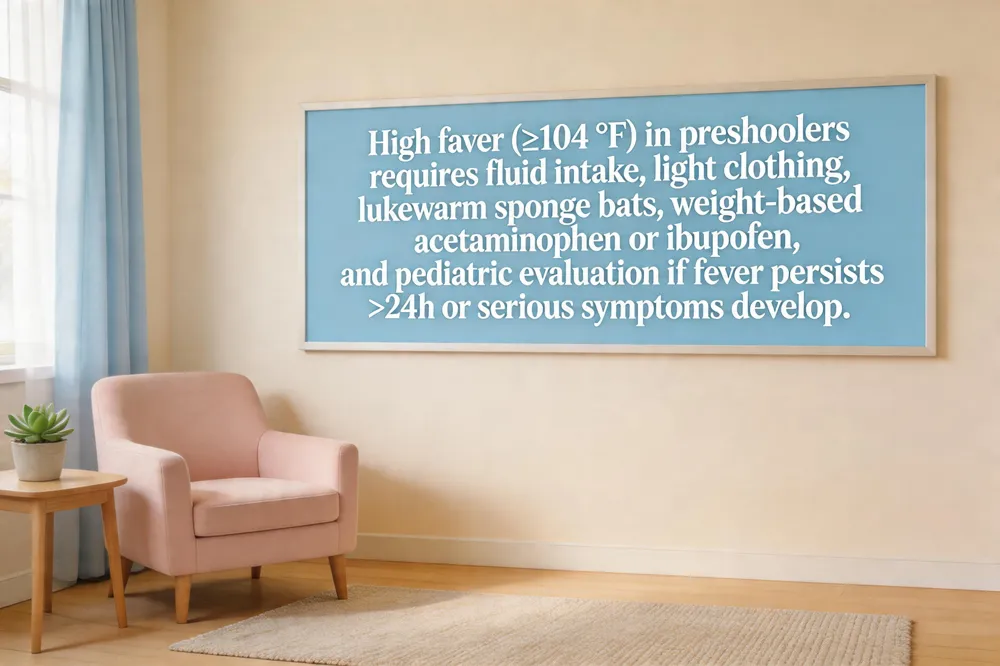 Managing a 104 °F Fever
When a preschooler’s temperature reaches 104 °F (40 °C) or higher, give the child plenty of fluids (water, clear broth, oral‑rehydration solution) and dress them in a single light layer. A lukewarm (85‑90 °F) sponge bath or a cool, damp washcloth on the forehead can help lower the temperature gradually. If the child is uncomfortable and older than 2 years, give a weight‑based dose of acetaminophen (Tylenol) or ibuprofen (Motrin/Advil)—never aspirin. Call a pediatrician if the fever stays at 104 °F for more than 24 hours, if the child is under 3 months, or if dehydration, rash, persistent vomiting, or extreme lethargy develop.
Recognizing When a Fever Is Serious
Serious signs include fever lasting >4 days without a source, high‑grade fever (>104 °F) that does not improve with medication, stiff neck, seizures, persistent vomiting, or signs of dehydration (no tears when crying, dry mouth, sunken eyes). Infants <3 months with any fever need immediate evaluation. Any change in behavior—drowsiness, irritability, or inability to drink—warrants prompt medical attention.
Choosing the Right Medication
First‑line options are acetaminophen (Tylenol) for any age and ibuprofen (Motrin/Advil) for children ≥6 months. Dose by weight (acetaminophen 10‑15 mg/kg every 4‑6 h; ibuprofen 5‑10 mg/kg every 6‑8 h) and avoid giving both simultaneously. Aspirin is contraindicated because of Reye syndrome risk.
Understanding Low‑Grade Fever Thresholds
A low‑grade fever in a 3‑year‑old is 99.6 °F – 100.3 °F. While slightly above the normal upper limit, it usually does not require medication unless the child is uncomfortable. Monitor behavior and hydration; if the temperature rises above 100.4 °F or persists >24‑48 h, seek pediatric guidance.
FAQs
- How to reduce 104 °F fever at home? Keep the child hydrated, dress lightly, use a lukewarm sponge bath, and give weight‑based acetaminophen (Tylenol) or ibuprofen (Motrin/Advil) if needed. Call a pediatrician if the fever remains high or worrisome signs appear.
- Is 99.7 °F a fever for a 3‑year‑old? It falls into the low‑grade range—watch for symptoms but usually no urgent care needed unless it climbs above 100.4 °F or other concerning signs develop.
- Best medicine for fever in kids? Acetaminophen and ibuprofen are the preferred antipyretics; choose based on age, weight, and any contraindications.
- What is the 24‑hour fever rule? Remain home and avoid contact until the child has been fever‑free for at least 24 hours without antipyretics, then resume normal activities with continued hygiene precautions.
School‑Age Children (6‑12 Years): Natural Fever Reduction and Medication Choices
Non‑medicinal methods to lower fever
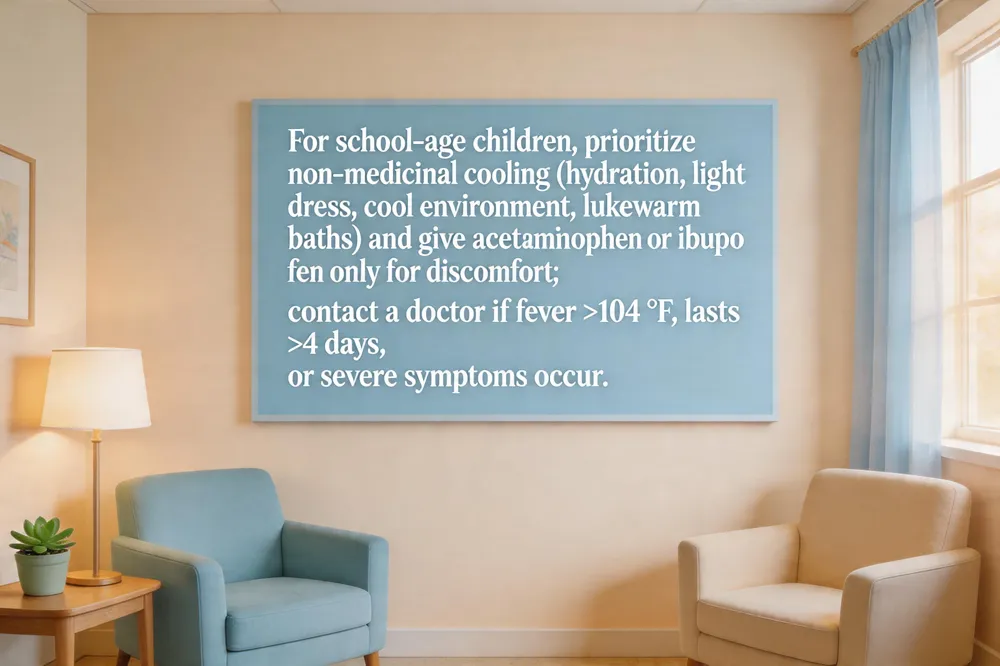
Keeping a febrile child comfortable is often the first step. Offer frequent sips of water, diluted juice, oral rehydration solutions, or clear broth to replace fluid lost through sweating. Dress the child in a single light layer and keep the room at a comfortable, cool temperature (68‑72 °F/20‑22 °C). A lukewarm (85‑90 °F) sponge bath or a brief tepid shower for 10‑15 minutes can draw heat away without causing shivering; dry the child completely afterward. Cool, damp cloths placed on the forehead, neck, or wrists every 20 minutes provide additional comfort.
Understanding low‑grade fevers in older children
A low‑grade fever (100‑102 °F / 37.8‑38.9 °C) is a [normal immune response] and is not inherently dangerous. In school‑age children, the exact temperature is less important than how the child feels. If the child is alert, drinking fluids, and playing normally, medication is usually unnecessary. Monitoring the fever’s duration—most viral fevers resolve in 2‑4 days—helps differentiate a self‑limited illness from something that needs medical attention.
Medication safety and dosing
When a fever causes discomfort, acetaminophen (Tylenol) or ibuprofen (Motrin/Advil) can be used. Dosing must be weight‑based—acetaminophen 10‑15 mg/kg every 4‑6 hours, ibuprofen 5‑10 mg/kg every 6‑8 hours—and never exceed the daily maximum. Ibuprofen is safe for children 6 months and older; [Acetaminophen is safe for all ages]. Do not give both medications at the same time, and [never give aspirin] because of the risk of Reye syndrome.
When to seek professional care
Parents should contact a pediatrician promptly if the fever:
- Persists longer than four days without an obvious source.
- Exceeds 104 °F (40 °C) or is accompanied by severe symptoms such as a stiff neck, persistent vomiting, seizures, or difficulty breathing.
- Is accompanied by signs of dehydration (no tears when crying, dry mouth, reduced urine output).
- Occurs in a child who is immunocompromised, has a chronic illness, or shows significant behavior changes (lethargy, irritability, confusion).
Frequently asked questions
How to reduce fever in child naturally? To lower a child’s fever naturally, keep them well‑hydrated with water, diluted juice, oral rehydration solutions, or broth, and encourage plenty of rest in a comfortable, quiet space. Offer a lukewarm (not cold) bath or sponge‑down with tepid water for 10‑15 minutes, then dry them off completely to prevent chills. Apply a cool, damp cloth to the forehead, neck, or wrists every 20 minutes to help draw heat away from the skin. Dress the child in lightweight clothing and use a light blanket rather than heavy layers, allowing heat to escape. For children over one year old, a warm herbal tea such as chamomile or mint can provide soothing comfort while supporting hydration.
Is 99.5 °F a fever for an 8‑year‑old? A temperature of 99.5 °F (37.5 °C) taken orally meets the pediatric definition of a fever, because the American Academy of Pediatrics and most pediatric guidelines consider 99.5 °F the cutoff for an oral measurement. For an 8‑year‑old, this level is generally low‑grade and often does not require medication if the child feels comfortable, is drinking fluids, and is otherwise acting normally. Keep the child lightly dressed, offer plenty of water, and monitor for any new symptoms such as a persistent headache, rash, or difficulty breathing. If the temperature rises above 100.4 °F (38 °C) or the child becomes ill‑looking, lethargic, or unable to stay hydrated, contact your pediatric provider. In most cases, a 99.5 °F oral reading can be managed at home with simple comfort measures.
Teens & General Summary: Key Take‑aways for All Ages
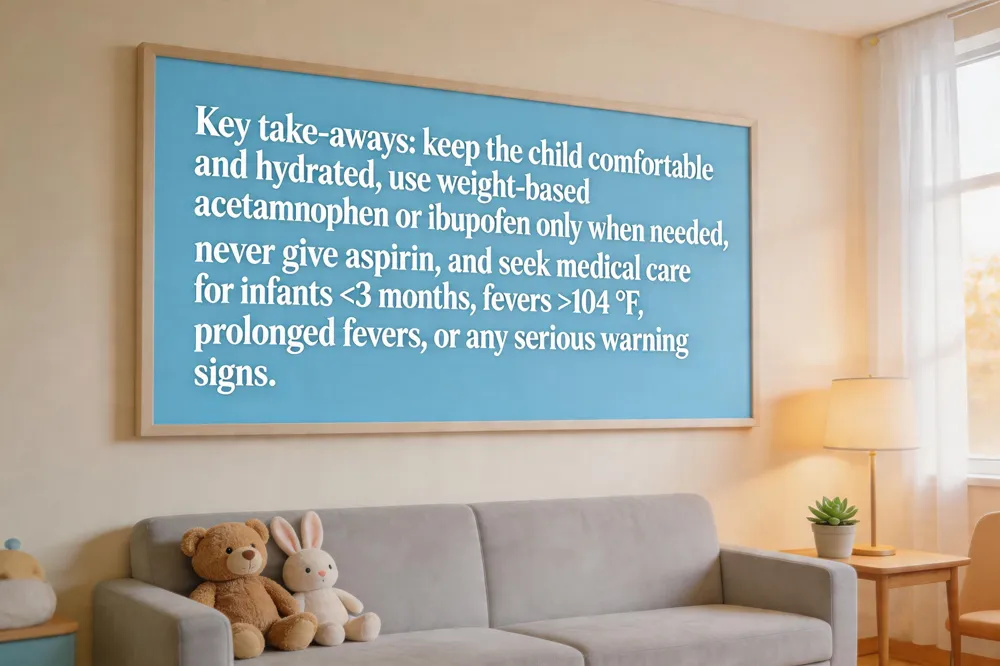 A fever is the body’s natural defense, but comfort and safety matter most. Keep the child lightly dressed, offer frequent sips of water, juice, or popsicles, and use a digital thermometer to track trends. Give weight‑based acetaminophen (any age) or ibuprofen (6 months + only only when the child is uncomfortable; never combine them or give aspirin. Contact a pediatrician promptly if the child is under three months, the fever lasts >4 days, signs of dehydration appear, or serious symptoms such as stiff neck, persistent vomiting, or lethargy develop. Immediate care is essential for high fevers (>104 °F) or any concerning change in behavior.
Putting It All Together
Monitor the child’s temperature and, more importantly, behavior—lethargy, irritability, or unusual sleep may signal trouble. Keep them hydrated with frequent sips of water, juice, or popsicles and dress lightly for comfort. Use acetaminophen or ibuprofen only when needed, dosing by weight and never combining them. Contact a pediatrician if fever persists over four days, exceeds 104 °F, or is accompanied by dehydration, stiff neck, severe headache, vomiting, or seizures.