Welcome to Flu‑Season Preparedness
Flu season is around the corner, and protecting every family member starts with vaccination. The CDC recommends an annual flu shot for anyone six months and older; a fully immunized household creates a “herd‑immunity” shield that reduces the chance of infection and lessens illness severity for kids and teens. Beyond the needle, hygiene habits are powerful allies: wash hands with soap and water for at least 20 seconds, use an alcohol‑based sanitizer when soap isn’t handy, and teach children to cover coughs and sneezes with a tissue or elbow. Keep high‑touch surfaces—doorknobs, toys, tablets—cleaned regularly, and improve indoor ventilation. When a child shows fever, cough, or sudden fatigue, keep them home and monitor symptoms. If fever lasts more than 24 hours, breathing becomes labored, dehydration signs appear, or symptoms persist beyond three days, seek pediatric care promptly. Early medical attention can prevent complications and keep your child back in school faster.
Vaccination and Immunization Basics
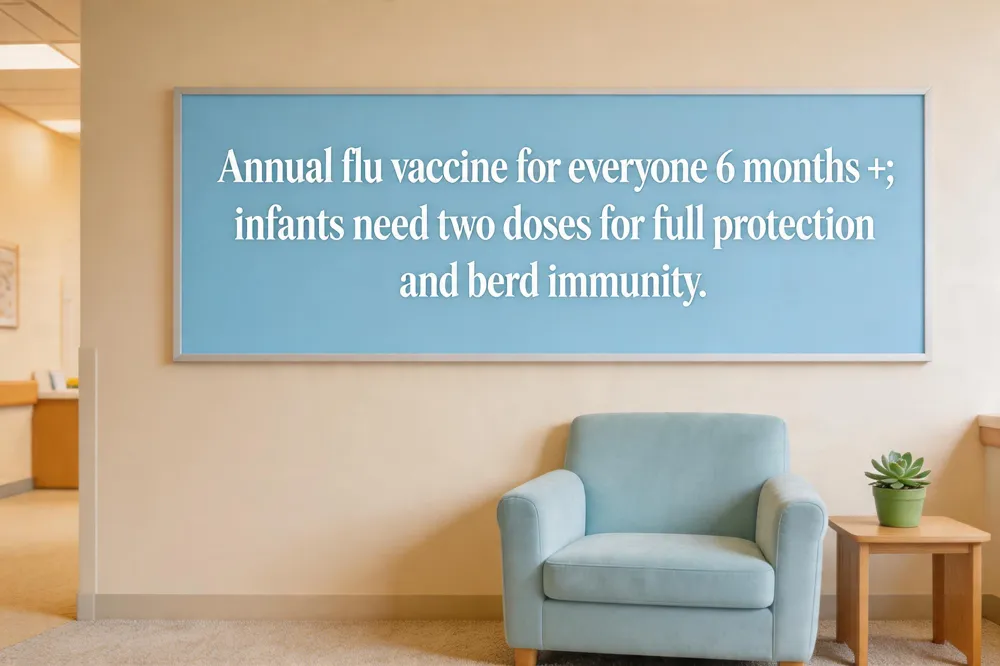 The most powerful defense against influenza for children and teens is the annual flu vaccine. The CDC recommends everyone 6 months and older to be vaccinated each season, ideally by the end of October, creating a protective “herd immunity” bubble around vulnerable kids.
Why do babies need two flu shots? Infants receive their first dose at six months, but their immature immune systems cannot generate enough antibodies from a single shot. A second dose given four weeks later boosts the response, maintaining protection throughout the flu season and dramatically lowering the risk of severe complications such as pneumonia or dehydration.
Is the flu vaccine necessary for children? Absolutely. Children—especially those under 5 years or with chronic conditions are at higher risk for serious flu‑related illness. Vaccination cuts doctor visits, missed school days, hospitalizations, and even deaths. Side effects are usually mild and short‑lived.
CDC flu‑prevention guidelines include vaccination, frequent hand‑washing (≥20 seconds), avoiding face‑touching, covering coughs/sneezes, staying home while feverish, and cleaning high‑touch surfaces.
Best protection combines the vaccine with good hygiene, indoor ventilation, and early antiviral treatment when needed.
When is flu season worst? In the United States, February typically sees the highest case numbers and hospitalizations, so families should be especially vigilant then.
Flu prevention for kids: vaccinate the whole household, teach proper hand‑washing, cough etiquette, keep sick children home until they’re fever‑free for 24 hours, and disinfect toys and door handles regularly. A printable “Flu Prevention Tips” PDF is available on the Kids & Teens Primary Healthcare website for quick reference.
Recognizing Symptoms and When to Seek Care
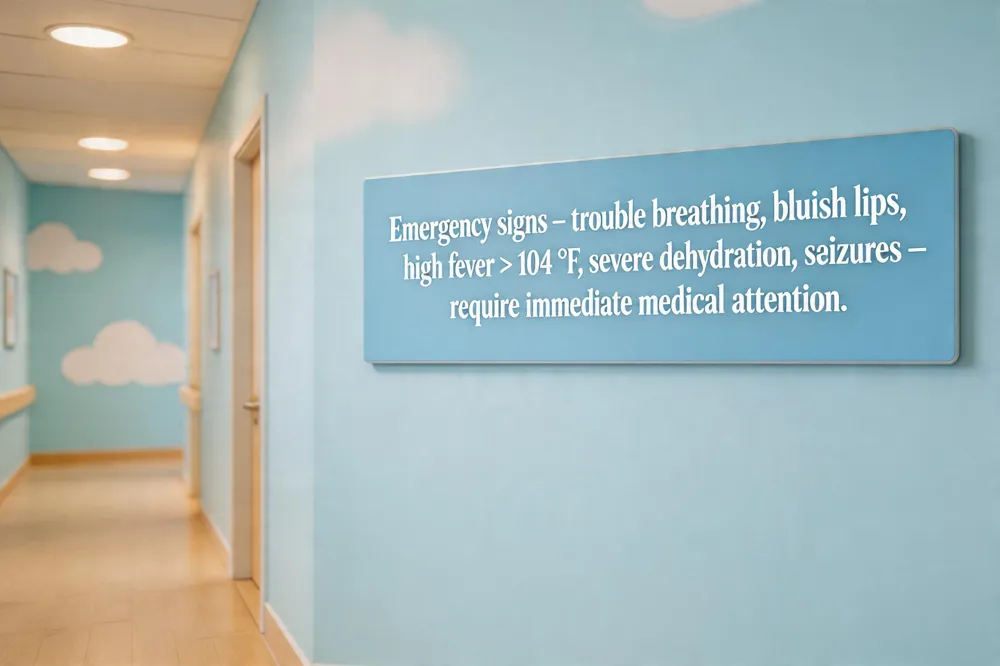 When to worry – Call your pediatrician or go to the ER if you see any emergency warning signs: trouble breathing, bluish lips or skin, severe dehydration (dry mouth, no urine for > 8 hours), seizures, or a fever that stays above 104 °F despite medication. Even without an emergency, seek care if the fever lasts more than three days https://www.cdc.gov/flu/highrisk/children.html), the child is [unusually lethargic, refuses fluids, or shows new or worsening symptoms.
Vomiting can occur with flu but is more common in gastroenteritis (“stomach flu”). If vomiting is frequent, accompanied by diarrhea or abdominal cramps, and the child cannot keep fluids down, treat it as possible stomach flu and monitor for dehydration.
Hospitalization is needed for any of the emergency signs above, especially in infants under 3 months or high‑risk children (asthma, heart disease, diabetes). When in doubt, a quick call to your pediatric office can help decide if a visit is required.
Home Care, Treatment, and Antiviral Strategies
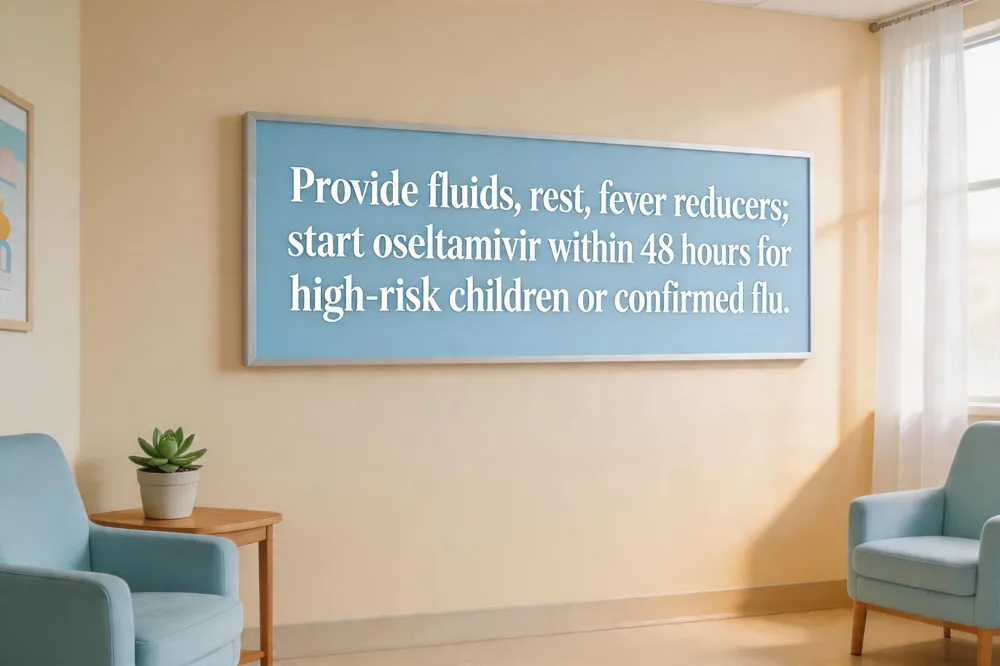 When a child shows flu symptoms, the first step is supportive care: keep them home, encourage 9 —12 hours of sleep, and offer plenty of fluids—water, diluted juice, broth, or oral‑rehydration solutions—to prevent dehydration. Use a digital thermometer to monitor fever and give weight‑based acetaminophen or children’s ibuprofen for comfort; never give aspirin or over‑the‑counter cough‑cold mixtures to kids
If flu is confirmed or strongly suspected, an FDA‑approved antiviral such as oseltamivir (Tamiflu) should be started within 48 hours, especially for children under 5 years, those with asthma, diabetes, or other chronic conditions. Early antiviral therapy shortens illness, reduces complications, and can be used for post‑exposure prophylaxis when prescribed promptly after exposure.
Stock a flu‑season kit: a reliable thermometer, fever reducers, hand soap, ≥60 % alcohol hand sanitizer, soft tissues, disposable masks, disinfecting wipes or EPA‑approved spray, and easy‑to‑digest foods (applesauce, bananas, crackers). Include comforting treats like popsicles to boost hydration.
Myths: Vitamin C does not prevent flu, and taking it after illness onset won’t shorten the disease. The most effective defenses remain annual vaccination for all children 6 months and older, diligent hand washing, and prompt medical evaluation for warning signs such as difficulty breathing, persistent high fever, or signs of dehydration.
Everyday Preventive Practices at Home and School
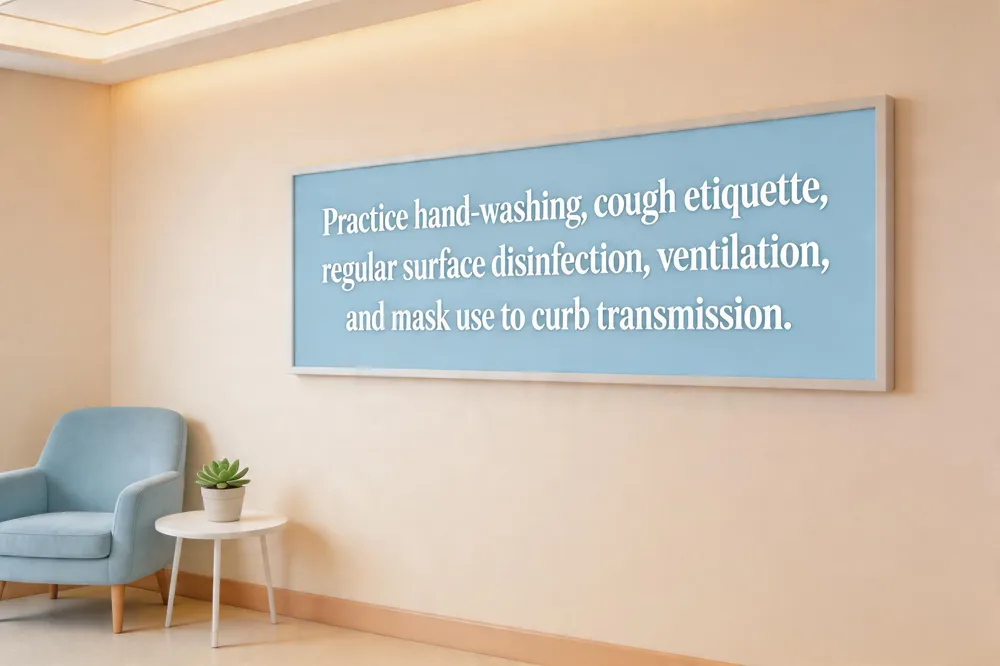 Cough and sneeze etiquette is equally vital. Teach children to cover their mouth and nose with a tissue or the inside of their elbow, then throw the tissue away and wash their hands.
Cleaning high‑touch surfaces—doorknobs, toys, keyboards, phones—should be a daily habit. Use an EPA‑approved disinfectant; viruses can survive on hard surfaces for up to 48 hours, so regular wiping cuts the risk of transmission.
Ventilation and indoor air quality help dilute airborne viruses. Open windows when weather permits or run a HEPA‑filter air purifier in rooms where children spend time.
Mask use and face‑touch avoidance add a layer of protection, especially in crowded indoor settings or when a family member is ill. Masks block droplets, and reminding kids not to touch their eyes, nose, or mouth reduces the chance of viruses entering the body.
Flu prevention for kids: The most effective defense is the annual flu vaccine for everyone 6 months + in the household, paired with the hygiene steps above. High‑risk children (asthma, diabetes, etc.) should be especially vigilant.
How can children prevent the flu? Vaccination, hand‑washing, cough etiquette, staying home when sick, disinfecting surfaces, and mask‑wearing during peak season.
How to avoid getting the flu when your family has it: Isolate the sick person, use masks, keep hands clean, disinfect shared items, improve ventilation, and stay up‑to‑date on vaccinations.
Flu season tips for workplace: Get the flu shot early, wash hands frequently, stay home when symptomatic, keep distance from ill coworkers, and support immunity with sleep, nutrition, exercise, and hydration.
What to take to prevent flu after exposure? Antiviral medication (e.g., oseltamivir) prescribed within 48 hours is most effective. Also get the flu vaccine if not already done, continue hand hygiene, wear masks, and avoid close contact with the sick person.
Community, Workplace, and Clinical Precautions
 Flu Prevention in Professional Settings
Get the annual flu shot early, wash hands for at least 20 seconds (handwashing with soap and water for at least 20 seconds), and use hand sanitizer containing at least 60% alcohol after touching shared surfaces. Stay home if you develop fever, cough, or sore throat and return only after 24 hours symptom‑free (Keeping children home from school or daycare when they exhibit symptoms such as fever, cough, or runny nose limits the spread of contagious illnesses. Maintain distance from ill coworkers, avoid sharing food or utensils, and consider virtual meetings during peak season. A balanced diet, regular exercise, adequate sleep, and hydration bolster immunity.
Hospital Infection Control
All staff and visitors should be vaccinated and practice strict hand hygiene before and after patient contact. Use proper cough etiquette, wear masks for droplet precautions, and don gloves or gowns when contact with secretions is possible. Limit non‑essential items and avoid touching equipment or beds. Follow posted isolation protocols and use personal protective equipment correctly.
Droplet vs. Airborne Precautions
Seasonal influenza is primarily managed with droplet precautions: surgical masks, eye protection, and keeping patients at least 3 feet apart. Airborne precautions (N95 respirator, negative‑pressure room) are reserved for aerosol‑generating procedures such as intubation or nebulized medication.
Resources for Families and Staff
A printable “Flu Prevention Tips” PDF is available on the Kids & Teens Primary Healthcare website, outlining vaccination, hand hygiene, surface cleaning, and when to seek medical care. Post‑exposure prophylaxis with antivirals (e.g., oseltamivir) should be discussed with a clinician within 48 hours, especially for high‑risk children.
Your Family’s Flu‑Season Game Plan
Recap of vaccination and hygiene – Get every child 6 months and older the annual flu shot (or nasal spray if eligible) by early October; keep COVID‑19 and RSV vaccines up‑to‑date. Pair vaccination with daily hand‑washing for at least 20 seconds, alcohol‑based hand sanitizer (≥60 % alcohol) when soap isn’t handy, and teach kids to cover coughs and sneezes with a tissue or elbow. Clean high‑touch surfaces—door handles, toys, phones—regularly, and ventilate rooms by opening windows or using air purifiers.
When to seek medical care – Call your pediatrician promptly if a child has trouble breathing, a high fever that won’t break with medication, signs of dehydration (dry mouth, few wet diapers), persistent vomiting, or symptoms that worsen after 48 hours. High‑risk kids—under 5 years, those with asthma, diabetes, heart disease, or immunocompromise—should be evaluated even with milder illness.
Resources for ongoing support – Use CDC flu‑season updates, local health department alerts, and school‑based illness‑exclusion policies. Keep a “sick‑kit” at home (thermometer, acetaminophen/ibuprofen, oral rehydration, antiviral prescriptions if prescribed) and consider tele‑health visits for quick guidance while minimizing exposure.